Wine cellar acoustics: reducing compressor noise for living rooms
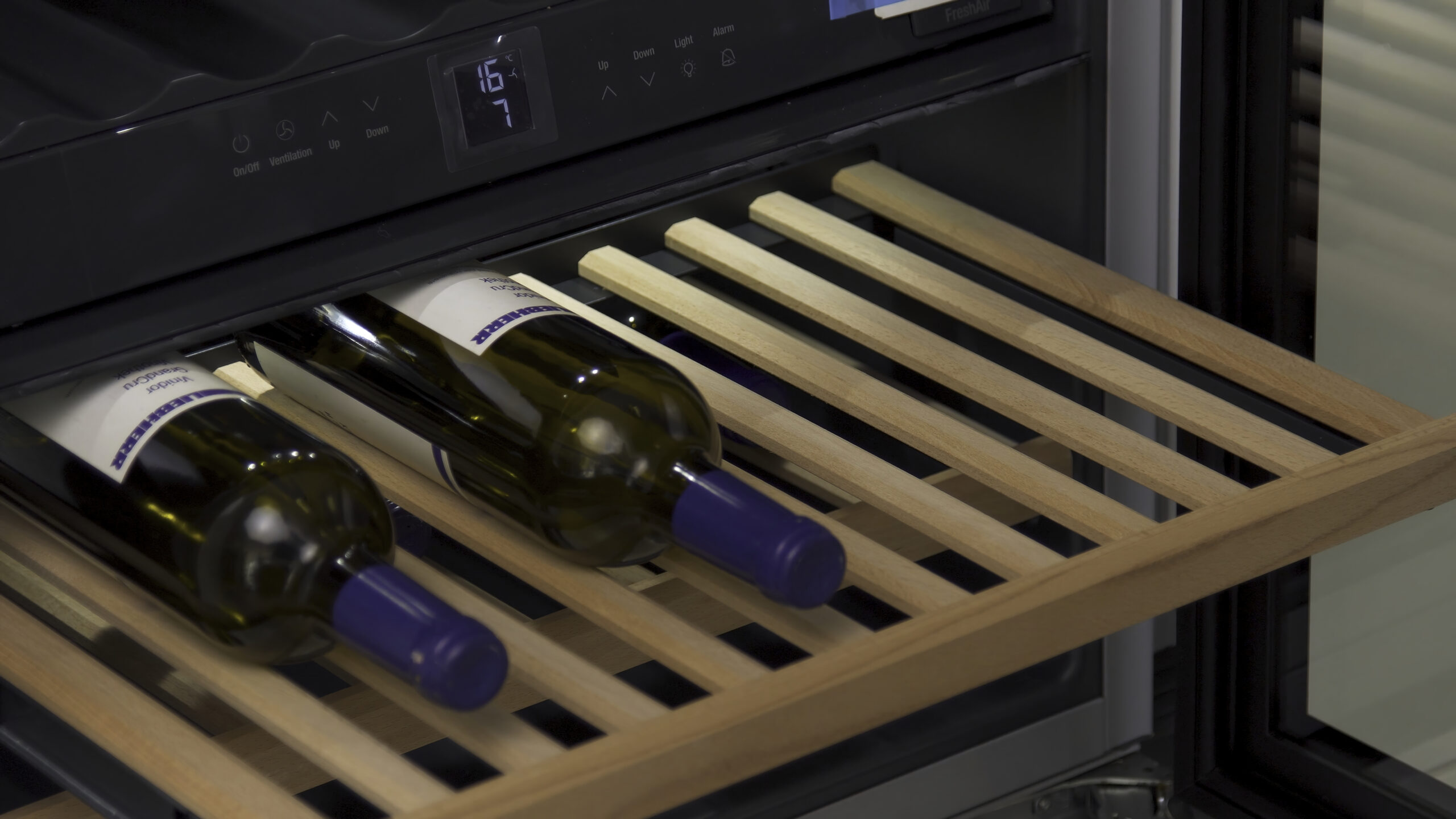
Compressor noise is an often-overlooked aspect of wine cellar design, yet it can significantly affect the overall experience of wine storage. The compressor is a vital component of any wine cooling system, responsible for maintaining the ideal temperature and humidity levels necessary for preserving wine quality. However, the mechanical operation of compressors can generate a range of sounds, from low hums to more pronounced vibrations, which can be disruptive in a home environment.
This noise can detract from the serene atmosphere that many wine enthusiasts seek to create in their cellars. Moreover, the impact of compressor noise extends beyond mere annoyance; it can also influence the structural integrity of the wine cellar itself. Prolonged exposure to vibrations can lead to wear and tear on both the cooling unit and the surrounding materials.
This can result in costly repairs or replacements down the line. Understanding the implications of compressor noise is crucial for anyone looking to create a functional and enjoyable wine storage space. By addressing this issue early in the design process, wine lovers can ensure that their cellars remain peaceful sanctuaries for their prized collections.

Key Takeaways
- Compressor noise can impact the overall enjoyment of a wine cellar and should be considered during the design process.
- Choosing the right location for your wine cellar can help minimize the impact of compressor noise on the overall ambiance.
- Soundproofing options such as acoustic panels and insulation can help reduce compressor noise within the wine cellar.
- Utilizing vibration isolation techniques can further minimize the impact of compressor noise on the wine cellar environment.
- Consulting with a professional can help identify custom solutions for minimizing compressor noise in a wine cellar.
Choosing the Right Location for Your Wine Cellar
The location of your wine cellar plays a pivotal role in its overall functionality and comfort. Selecting an appropriate site within your home can mitigate many issues associated with compressor noise and temperature fluctuations. Ideally, a wine cellar should be situated in a cool, dark area away from direct sunlight and heat sources, such as radiators or ovens.
This not only helps maintain stable temperatures but also reduces the workload on the cooling system, which in turn minimizes noise production. Additionally, considering the proximity to living spaces is essential. If your wine cellar is located near bedrooms or entertainment areas, the noise generated by the compressor may become a nuisance.
A basement or a dedicated room away from high-traffic areas is often the best choice. This strategic placement allows for better sound management while ensuring that your wine collection remains undisturbed by daily household activities. Ultimately, choosing the right location is a foundational step in creating an optimal environment for both your wine and your peace of mind.
Soundproofing Options for Wine Cellar Compressors
When it comes to soundproofing your wine cellar, there are several effective strategies to consider. One of the most straightforward methods is to use soundproofing materials specifically designed to absorb and dampen noise. Acoustic foam panels, for instance, can be installed on walls and ceilings to reduce sound transmission.
These panels are particularly effective at absorbing high-frequency sounds, which are often more intrusive than lower frequencies. Another option is to create a sound barrier around the compressor itself. This can be achieved by constructing a small enclosure or using soundproofing blankets that wrap around the unit.
These materials are designed to absorb vibrations and prevent them from traveling through walls and floors. By implementing these soundproofing techniques, you can significantly reduce the impact of compressor noise, creating a more tranquil environment for your wine cellar.


Utilizing Vibration Isolation Techniques
Vibration isolation is another critical aspect of managing compressor noise in your wine cellar. Compressors generate vibrations that can travel through solid surfaces, leading to unwanted noise in adjacent rooms. To combat this issue, consider using vibration isolation pads or mounts specifically designed for HVAC systems.
These pads are made from materials that absorb vibrations, preventing them from transferring to the floor or walls. In addition to pads, you might also explore floating floor systems that decouple the flooring from the structural elements of your home. This technique not only helps reduce noise but also minimizes the risk of damage caused by vibrations over time.
By incorporating vibration isolation techniques into your wine cellar design, you can create a quieter space that allows you to enjoy your collection without distraction.
Installing Acoustic Panels and Insulation
Acoustic panels and insulation are essential components in creating a sound-dampening environment within your wine cellar. These materials work together to absorb sound waves and prevent them from bouncing off hard surfaces, which can amplify noise levels. When selecting acoustic panels, look for options that are specifically designed for low-frequency sound absorption, as these will be most effective against compressor noise.
In addition to panels, consider adding insulation to walls and ceilings. Insulation not only helps regulate temperature but also acts as a sound barrier, further reducing noise transmission. Fiberglass or foam insulation can be particularly effective in this regard.
By combining acoustic panels with proper insulation, you can create a serene atmosphere that enhances your wine storage experience while protecting your collection from temperature fluctuations.
Incorporating Sound-Dampening Materials
Incorporating sound-dampening materials into your wine cellar design is an effective way to minimize compressor noise and enhance overall acoustics. These materials can be used in various applications throughout the space, including walls, ceilings, and even flooring. For instance, using mass-loaded vinyl (MLV) on walls can significantly reduce sound transmission due to its dense composition.
Additionally, consider using carpets or rugs on the floor to absorb sound and reduce echo within the cellar. Soft furnishings not only contribute to a quieter environment but also add an element of comfort and style to your space. By thoughtfully integrating sound-dampening materials into your design, you can create a harmonious balance between aesthetics and functionality while ensuring that your wine cellar remains a peaceful retreat.
Exploring Alternative Cooling Systems
If compressor noise remains a significant concern despite implementing various soundproofing measures, it may be worth exploring alternative cooling systems for your wine cellar. There are several options available that operate with less noise than traditional compressor-based units. For example, thermoelectric cooling systems use a different mechanism to regulate temperature and tend to produce less sound during operation.
Another option is passive cooling systems that rely on natural temperature regulation methods rather than mechanical components. These systems often utilize insulation and strategic ventilation to maintain optimal conditions without generating noise. While these alternatives may have different cooling capacities and requirements, they can provide effective solutions for those seeking quieter options for their wine storage needs.

Consulting with a Professional for Custom Solutions
When it comes to creating an ideal wine cellar environment, consulting with a professional can provide invaluable insights and tailored solutions. Experts in wine cellar design understand the nuances of temperature control, sound management, and overall aesthetics. They can assess your specific needs and recommend customized strategies that address both compressor noise and other potential challenges.
A professional consultation can also help you navigate the complexities of building codes and regulations related to wine cellars. They can guide you through selecting appropriate materials and technologies that align with your vision while ensuring compliance with local standards. By enlisting the expertise of a professional, you can create a wine cellar that not only meets your storage requirements but also provides a serene atmosphere conducive to enjoying your collection for years to come.
FAQs
What are wine cellar acoustics?
Wine cellar acoustics refer to the sound and noise levels produced by the cooling system, particularly the compressor, in a wine cellar. It is important to reduce compressor noise to ensure a peaceful and enjoyable living room environment.
Why is reducing compressor noise important for living rooms?
Reducing compressor noise is important for living rooms because excessive noise can be disruptive and affect the overall comfort and ambiance of the space. It can also interfere with conversations, relaxation, and entertainment activities.
How can compressor noise be reduced in wine cellars?
Compressor noise in wine cellars can be reduced by using soundproofing materials, installing vibration isolation mounts, and choosing a quieter cooling system. Additionally, proper maintenance and regular cleaning of the cooling system can also help reduce noise levels.
What are some soundproofing materials that can be used to reduce compressor noise?
Soundproofing materials such as acoustic foam panels, soundproof curtains, and soundproofing insulation can be used to reduce compressor noise in wine cellars. These materials help absorb and block the transmission of sound, reducing the overall noise level.
What are vibration isolation mounts and how do they help reduce compressor noise?
Vibration isolation mounts are specialized mounts that are designed to absorb and dampen the vibrations produced by the compressor. By isolating the vibrations, these mounts help reduce the transmission of noise and minimize the impact of the compressor’s operation on the surrounding environment.
What are some considerations when choosing a quieter cooling system for a wine cellar?
When choosing a quieter cooling system for a wine cellar, it is important to consider the decibel rating of the unit, the type of compressor used, and the overall design and construction of the system. Opting for a unit with a lower decibel rating and a quieter compressor can significantly reduce noise levels in the living room.