The Silent Guardian: Engineering Acoustic Stability for High-Value Collections
The latent threat to your curated collection is not always external. It is often a subtle, yet persistent, assailant: ambient noise. For those who regard their wine cellar not merely as storage, but as a sophisticated repository for liquid assets, the acoustic environment is a critical, often overlooked, variable in the preservation equation. This consultation will delineate the technical imperatives of acoustic management within a wine cellar, safeguarding the organoleptic integrity of your investment.
The Perturbations of Sound: A Molecular Perspective
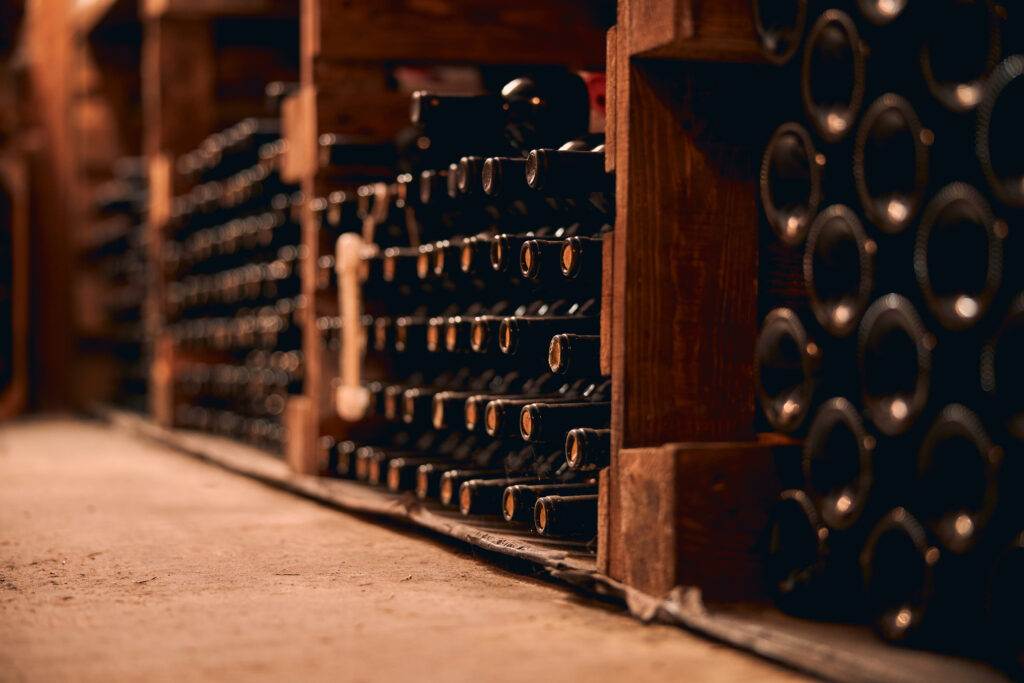
Wine, at its core, is a delicate ecosystem of volatile compounds and organic molecules. While the primary antagonists of wine preservation are demonstrably heat and humidity fluctuation, the impact of sonic vibrations on the maturation process is a more nuanced, but equally significant, concern. Consider the aging of wine as a slow, controlled chemical reaction. Any external stimulus that contributes erratic kinetic energy to this process can be considered a destabilizing factor.
Unintended Resonance and Molecular Agitation
Sound, in its most fundamental definition, is a mechanical wave that propagates through a medium, causing particles within that medium to oscillate. In the context of a wine cellar, these oscillations, when amplified by resonance, can translate into subtle but persistent agitation of the wine. This is not a direct, overt chemical reaction, but rather an indirect influence on the delicate equilibrium of esterification and other complex reactions that define the evolution of a wine’s aroma and flavor profile.
The Physics of Vibration and Molecular Mobility
When sonic energy encounters the glass bottle and the wine within, it induces microscopic vibrations. While the thermal mass of the wine itself acts as a buffer, excessive or sustained vibrational input can bypass this inherent dampening. At a molecular level, these vibrations can influence the rate at which dissolved gases escape, the subtle diffusion of tannins through the liquid matrix, and even the crystalline structure formation of certain precipitates, all of which contribute to the organoleptic profile. Imagine the subtle jazz notes imperceptible to the human ear being amplified into a cacophony for the wine’s delicate chemical orchestra.
The Role of Infrastructure in Sound Propagation
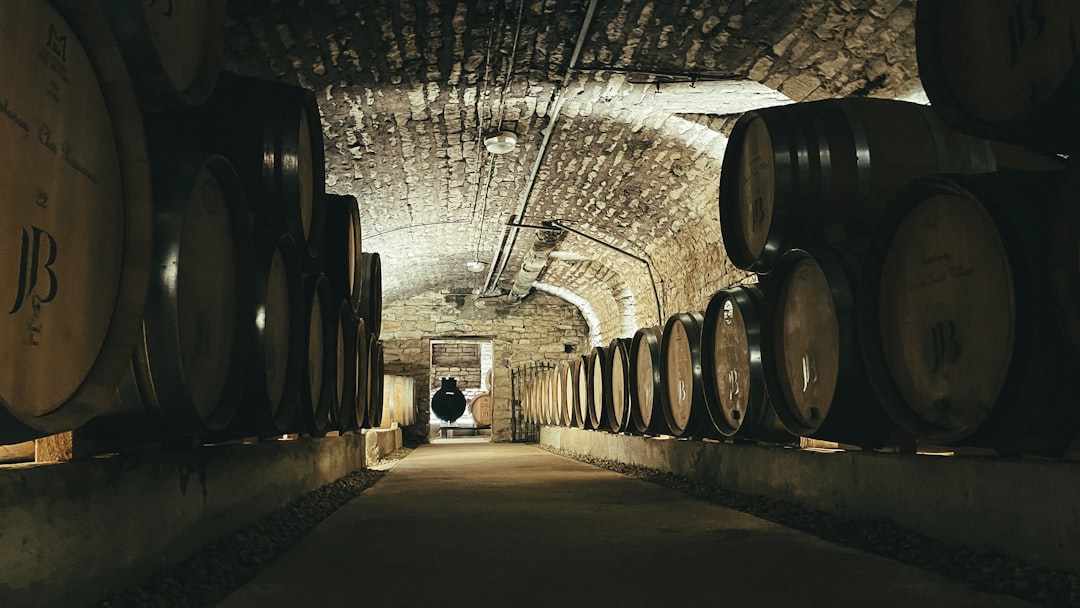
The very construction of your wine cellar is a conduit for acoustic energy. Hard, resonant surfaces inherent in many building materials – concrete, stone, glass – act as amplifiers and transmitters of vibration. A poorly constructed cellar, or one where such materials are not adequately addressed, becomes a sonic echo chamber, inadvertently contributing to the molecular agitation of your valuable liquid assets.
Thermal Mass and its Acoustic Counterparts
You are aware of the critical role thermal mass plays in stabilizing temperature within your cellar, acting as a reservoir of consistent thermal energy. Similarly, there are acoustic equivalents – materials that absorb and dissipate sonic energy. The absence of these dampening elements means that any generated sound within or transmitted from outside the cellar has the potential to reverberate and persist, impacting the wine.
Subduing the Unwanted Frequencies: Material Science and Strategic Placement
The mitigation of acoustic interference requires a multi-pronged approach, beginning with the intrinsic properties of the materials used in cellar construction and culminating in the strategic deployment of sound-dampening technologies. This is not about eliminating all sound, but rather controlling the type and intensity of sonic energy that interacts with your wine.
The Imperative of Decoupling: Isolating the Sanctuary
The most fundamental principle in acoustic control is decoupling – physically separating the wine storage environment from sources of vibration and noise. This involves an understanding of how vibrations travel through structural elements.
Structural Vibration Transmission Pathways
Vibrations originating from external sources, such as HVAC systems, traffic, or even the seismic activity of your building, can travel through the foundation, walls, and ceiling. These pathways must be identified and interrupted. This is akin to creating a moat around your castle; the primary defenses are designed to prevent invaders from even reaching the ramparts.
The Mechanics of Isolation Mounts and Damping Compounds
Specialized isolation mounts, often incorporating viscoelastic materials, are crucial for decoupling mechanical equipment (e.g., refrigeration units) from the cellar structure. Furthermore, the application of damping compounds to walls and ceilings can significantly reduce the transmission of airborne sound through these surfaces. These compounds convert acoustic energy into heat, effectively neutralizing its disruptive potential.

Surface Treatment: The Symphony of Absorption and Diffusion
Once the primary pathways of vibration are addressed, attention must turn to the interior surfaces of the cellar. These surfaces dictate how airborne sound behaves within the space, influencing both the perceived quietude and the subtle sonic energy that reaches the wine.
The Coefficient of Absorption: A Quantitative Measure
Acoustic materials are rated by their coefficient of absorption, a measure of how effectively they absorb sound energy across different frequencies. High-absorption materials are essential for reducing reverberation time – the duration it takes for sound to decay within a space. A prolonged decay time signifies an environment where sonic energy lingers, increasing the potential for unwanted molecular agitation.
Strategic Application of Diffusers and Absorbers
While absorptive materials dampen sound, diffusers scatter it, breaking up coherent sound waves and preventing the formation of standing waves or flutter echoes. A balanced application of both absorptive and diffusive elements is critical. Consider the subtle interplay of light and shadow; a cellar’s acoustic profile should similarly be sculpted, not uniformly flattened. The goal is not an anechoic chamber, but a controlled acoustic environment.
The Unseen Architects of Quiet: Engineering the Environment
The sophisticated collector understands that true preservation extends beyond temperature and humidity. It encompasses the very essence of the environment in which these liquid assets mature. This involves a meticulous consideration of the mechanical systems that support the cellar’s climate control.
Refrigeration Dynamics: A Silent Menace
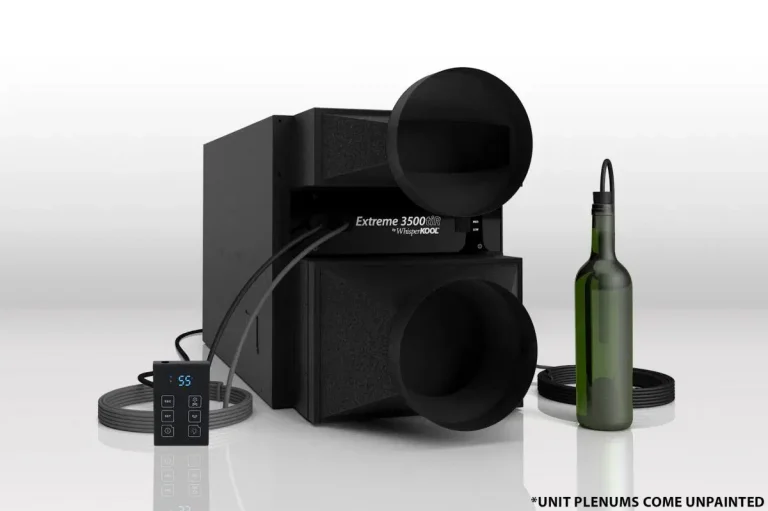
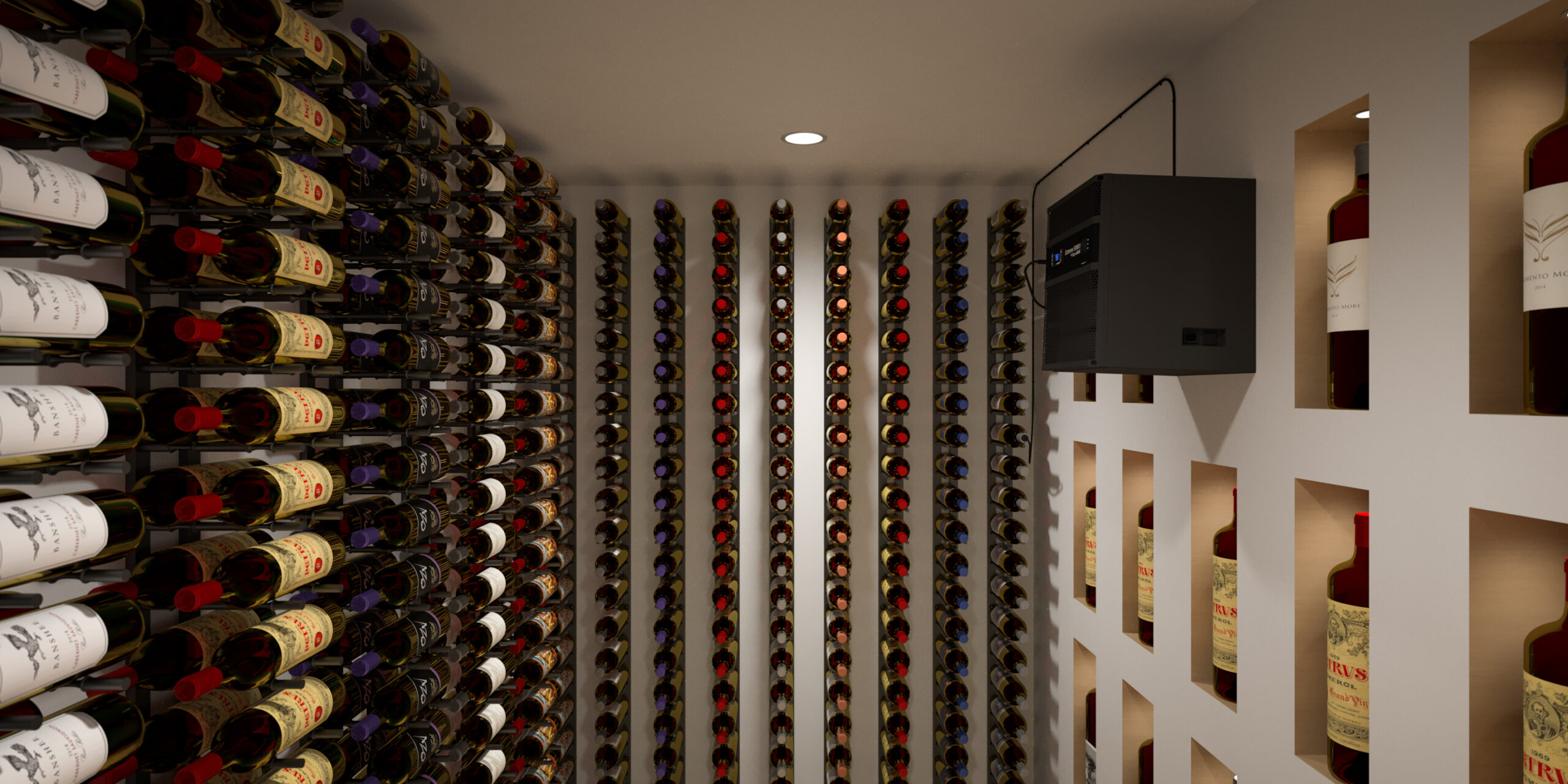
The compressor and fan systems of a wine cellar’s refrigeration unit are often significant sources of both airborne noise and structural vibration. Their placement and operational characteristics are paramount to maintaining an optimal acoustic profile.
Vibration Transmission from Mechanical Systems
The direct mounting of refrigeration units onto structural elements is a primary vector for vibration transmission. This is where the principles of decoupling become critically important.
The Science of Compressor Isolation and Fan Dampening
Utilizing anti-vibration mounts specifically designed for mechanical equipment, and employing flexible ductwork for air circulation, are non-negotiable steps. The judicious selection of low-noise, high-efficiency fans, and the potential for acoustic enclosures for the compressor, further refine the sonic footprint of these essential systems. The aim is to engineer your refrigeration system to be a silent guardian, not a disruptive force.
HVAC Systems and their Acoustic Imprints
While perhaps less direct than refrigeration, the heating, ventilation, and air conditioning (HVAC) systems that may serve the broader building, and potentially the cellar itself, can introduce their own acoustic challenges.
Airborne Noise from Ducts and Airflow
Air moving through ducts at high velocities can generate significant airborne noise. Undersized ducts, sharp bends, and poorly insulated components all contribute to this.
The Art of Acoustic Duct Lining and Silencers
The strategic use of acoustic duct liner within the HVAC system not only absorbs sound but also provides thermal insulation. Furthermore, the incorporation of duct silencers at critical points effectively attenuates airflow noise before it can propagate into the cellar. This is about ensuring that the air circulating within your sanctuary is silent, unburdened by the mechanical demands of its movement.
The Architectural Focal Point: Integrating Acoustics into Design
The ideal wine cellar is an integrated system, where every component, from the shelving to the climate control, contributes to a singular objective: the optimal preservation and maturation of your wine. Acoustics, therefore, must be considered an integral element of the architectural design, not an afterthought.
Shelving and Racking: Beyond Mere Support
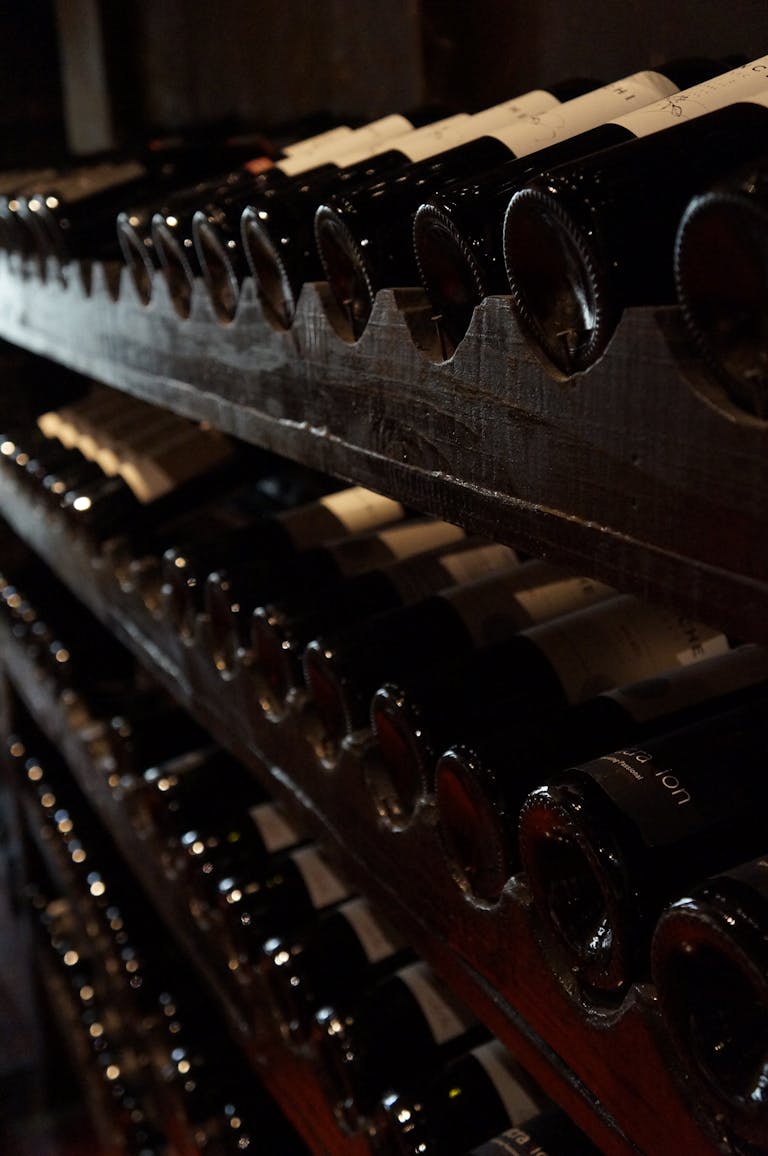
The materials and design of your wine racks can have a surprising impact on the acoustic environment. Lightweight, resonant materials can amplify vibrations, while denser, more absorptive materials can help dampen them.
The Resonance Properties of Racking Materials
Consider the difference in how a hollow metal shelf resonates compared to a solid, dense wood or a material specifically engineered for acoustic dampening. The way the wine bottles themselves are seated and the spacing between them also influence how sound waves interact with the stored liquid.
Engineered Solutions for Acoustic Racking
Some premium racking systems are designed with acoustic dampening in mind, utilizing materials that minimize resonance and offer superior vibration absorption. This is not merely about supporting your bottles; it is about providing them with a stable, undisturbed platform for their slow, deliberate evolution.
The Role of the Cellar Door: A Vestige of Sound Integrity
The wine cellar door is the primary interface between the controlled internal environment and the external world. Its design and construction are therefore critical in maintaining the desired acoustic isolation.
Thermal Bridges and Acoustic Breaches
A poorly sealed or inadequately insulated door can not only compromise thermal integrity but also serve as a significant pathway for sound transmission.
High-Performance Doors as Acoustic Barriers
A custom-designed, acoustically engineered cellar door, featuring substantial insulation, robust seals, and potentially sound-dampening core materials, acts as a formidable barrier against external noise and vibration. This is your portcullis, protecting the precious cargo within from the clamor of the outside world.
A Legacy of Preservation: Inspiring Confidence in Your Investment
The meticulous attention to acoustic control within your wine cellar is not an indulgence; it is a testament to your commitment to preserving the inherent value and evolving character of your liquid assets. By embracing these technical imperatives, you are not simply storing wine; you are curating an environment conducive to its apotheosis.
The Symphony of Silence: A Conducive Maturation Environment
The absence of disruptive vibration and excessive noise creates a quiescent environment, allowing the subtle processes of wine maturation to proceed unimpeded. This translates into a more predictable and ultimately, a more profound expression of the wine’s potential.
The Interplay of Organoleptic Integrity and Acoustic Stability
The organoleptic integrity of a wine is a complex tapestry woven from myriad factors. Acoustic stability, while often subtle in its impact, is an essential thread in this weave. By minimizing sonic interference, you empower the wine to express its true character, unmarred by external disturbance.
The Peace of Mind of a Properly Engineered Cellar
Beyond the scientific benefits, a perfectly acoustically balanced cellar offers an unparalleled sense of peace of mind for the discerning collector. It signifies a profound understanding of the science of preservation and a dedication to safeguarding your passion.
An Invitation to Experience: The Walnut Creek Showroom
To fully appreciate the tangible impact of these acoustic principles, we invite you to experience firsthand the environment we create. Visit our Walnut Creek showroom, where you can witness the seamless integration of cutting-edge preservation technology and sophisticated design. We are not merely discussing concepts; we are demonstrating precision.
FAQs
What causes noise issues in wine cellars?
Noise in wine cellars can be caused by mechanical equipment such as cooling units, ventilation systems, and pumps. Structural vibrations and external environmental sounds can also contribute to unwanted noise.
How can acoustics affect wine storage?
Poor acoustics can lead to vibrations that may disturb the sediment in wine bottles, potentially affecting the aging process and quality of the wine. Proper acoustic treatment helps minimize vibrations and maintain optimal storage conditions.
What materials are recommended for soundproofing a wine cellar?
Materials such as acoustic panels, mass-loaded vinyl, soundproof drywall, and insulation like mineral wool or fiberglass are commonly used to reduce noise and vibrations in wine cellars.
Is it important to control noise levels in a wine cellar?
Yes, controlling noise and vibrations is important to protect the integrity of the wine, ensure a quiet environment, and prevent disturbances to adjacent living spaces.
Can the design of a wine cellar influence its acoustics?
Absolutely. The layout, construction materials, and placement of mechanical equipment all impact the acoustics of a wine cellar. Thoughtful design can help minimize noise and vibration issues.