The Photochemical Shield: Neutralizing Spectral Threats through Advanced UV-C Integration
The preservation of a wine collection is a multifaceted discipline, demanding meticulous attention to environmental conditions that can profoundly impact the organoleptic integrity of your liquid assets. While commonly understood factors such as temperature and humidity are paramount, the insidious threat posed by ultraviolet (UV) radiation often eludes the novice collector and even overlooked by those with established portfolios. This document will delineate the critical vulnerabilities of wine to UV exposure and introduce a sophisticated technological solution designed to safeguard your investment.
UV radiation, a component of the electromagnetic spectrum with wavelengths shorter than visible light, is a pervasive environmental agent. When unchecked, its energetic photons can initiate a cascade of chemical reactions within the complex matrix of wine, leading to a deterioration of both its sensory characteristics and its long-term viability.
Photodegradation Mechanisms
The damaging effects of UV light are not singular but manifest through several key pathways:
- Riboflavin Oxidation: Riboflavin, a vitamin (B2) naturally present in wine, acts as a photosensitizer. Upon exposure to UV-B and UV-A radiation, it absorbs energy and transitions to an excited state. This excited riboflavin then readily transfers its energy to molecular oxygen, producing reactive oxygen species (ROS), such as singlet oxygen. These ROS are potent oxidants capable of attacking organic molecules within the wine.
- Sulfur Compound Degradation: Amino acids and sulfur-containing compounds, essential for the development and stability of wine aromas and flavors, are particularly susceptible to oxidative attack mediated by ROS. For instance, the characteristic “boxtree” or “gooseberry” notes in wines like Sauvignon Blanc, often attributed to volatile thiols, can be degraded or transformed, leading to a loss of varietal typicity. Similarly, the reductive sulfur notes crucial for the longevity of certain varietals can be prematurely oxidized, leading to the formation of undesirable volatile sulfur compounds, often perceived as burnt rubber or onion.
- Phenolic Compound Alteration: Phenolic compounds, responsible for color, astringency, and antioxidant properties in wine, are significantly impacted by UV exposure. Anthocyanins, the pigments responsible for the red and purple hues in red wines, are particularly prone to photobleaching, leading to a loss of vibrancy and a dulling of color, shifting from a youthful ruby to a more oxidized brick or brown. Polyphenols, which contribute to the structure and aging potential of wine, can undergo oxidation, resulting in a loss of complexity and a flattening of the palate.
- Aroma Volatility and Loss: The delicate aromatic compounds in wine, many of which are volatile esters and terpenes, are susceptible to oxidation and photodegradation. This results in a palpable reduction in the wine’s aromatic intensity and a shift towards less desirable off-notes, often described as “lightstruck” or metallic. The aromatic profile, the very soul of a vintage, is thus compromised, diminishing its organoleptic desirability.
The “Lightstruck” Phenomenon
The most commonly recognized consequence of UV exposure is the “lightstruck” fault. This is not a singular chemical entity but a descriptor for the combined sensory defects that arise from photodegradation. It is characterized by the development of unpleasant aromas and flavors, often described as cabbage-like, catty, or reminiscent of boiled eggs. This occurs when specific sulfur-containing compounds are degraded and reformed into volatile thiols with these undesirable characteristics. This phenomenon is particularly prevalent in wines bottled in clear glass, as they offer minimal protection against UV penetration.
The Unseen Architects of Degradation: UV-A and UV-B Spectrum
Understanding the specific wavelengths of UV radiation is crucial for effective defense. While the entire UV spectrum is potentially detrimental, certain bands pose a more immediate and significant threat to wine.
UV-B Radiation: The Energetic Assault
UV-B radiation, generally falling within the 280-315 nm range, is characterized by its high photon energy. This energy allows UV-B to penetrate the outer layers of the wine and initiate more vigorous photochemical reactions. While ozone and the Earth’s atmosphere filter the majority of solar UV-B, residual amounts can still reach the Earth’s surface, and importantly, can be generated or amplified by artificial light sources. The speed at which UV-B can induce chemical changes underscores the need for robust protection mechanisms.
UV-A Radiation: The Pervasive Infiltrator
UV-A radiation, with wavelengths ranging from 315-400 nm, is more prevalent than UV-B and possesses greater penetrating power. While individually less energetic than UV-B photons, their abundance and ability to permeate deeper into the liquid matrix make them a persistent threat. UV-A is a significant contributor to the slow, cumulative degradation of wine over extended storage periods. It is this omnipresent, pervasive aspect of UV-A that necessitates a continuous defense strategy.
Engineered Defenses: The Role of Protective Vessel Materials
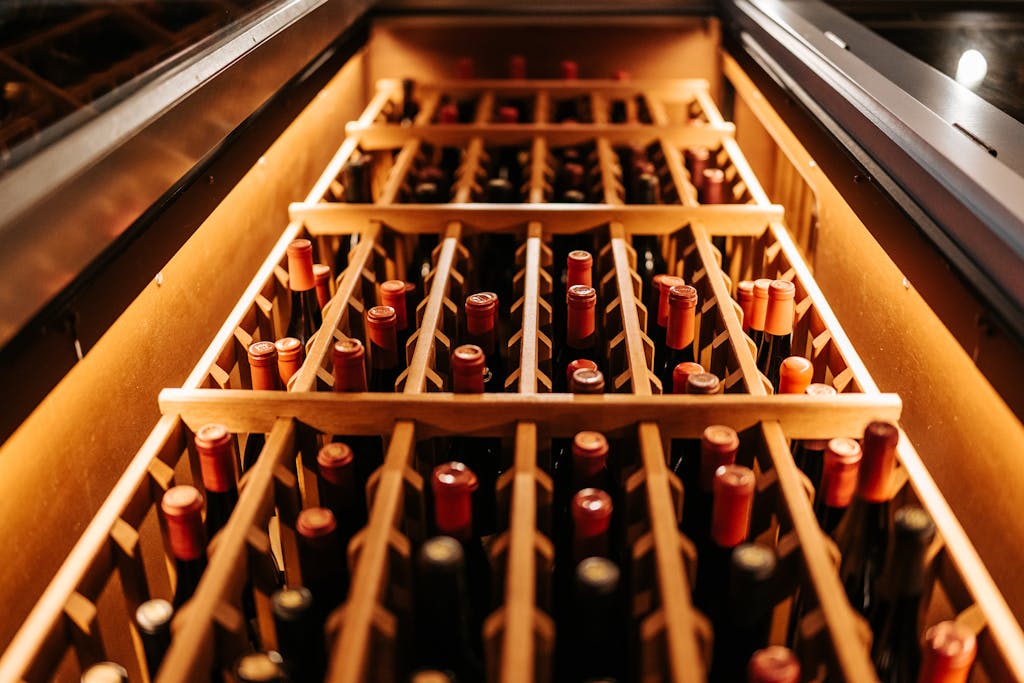
The primary interface between the wine and its immediate environment, post-bottling, is the vessel itself. The material composition and transparency of these vessels play a pivotal role in determining their susceptibility to UV penetration.
Glass Composition and UV Attenuation
The chemical composition of glass dictates its ability to attenuate UV radiation. Traditional clear glass offers virtually no protection, allowing significant quantities of both UV-A and UV-B to pass through.
- Flint Glass: This is the most common type of clear glass and is highly transparent across the UV spectrum. It is aesthetically pleasing for showcasing the wine’s color but represents a significant vulnerability.
- Amber Glass: The introduction of iron in the glass matrix during manufacturing imparts an amber hue. This coloration assists in blocking a substantial portion of UV radiation, particularly in the UV-B range. This has historically made amber glass a preferred choice for beers and wines intended for longer-term aging when clear bottles were the norm.
- Green Glass: Similar to amber glass, green glass offers a moderate level of UV protection, though generally less effective than darker amber. The specific shade and manufacturing process influence its UV blocking capabilities.
- Coated Glass: Advanced glass manufacturing techniques can incorporate specific compounds or coatings that enhance UV attenuation without significantly altering the visual clarity of the glass. These proprietary treatments are often found in premium wine bottles designed for long-term cellaring.
The Limitations of Current Vessel Technology
While colored glass provides a degree of protection, it is not an infallible solution.
- Incomplete Spectrum Blockage: Even amber and green glass do not block the entire UV spectrum. Significant amounts of UV-A radiation can still penetrate, especially with prolonged exposure.
- Vibrational Degradation of Coatings: While less common with modern advancements, older or less robust coatings on glass could be susceptible to micro-fractures or degradation over time, reducing their protective efficacy.
- Environmental Variability: The effectiveness of colored glass is dependent on the light source. Ambient UV light from the sun or specific artificial lighting in a cellar can still pose a threat, even through colored vessels. The wine is not truly in a static, perfectly controlled environment.
Advanced Preservation: Integrating UV-C Cellar Defense Technology
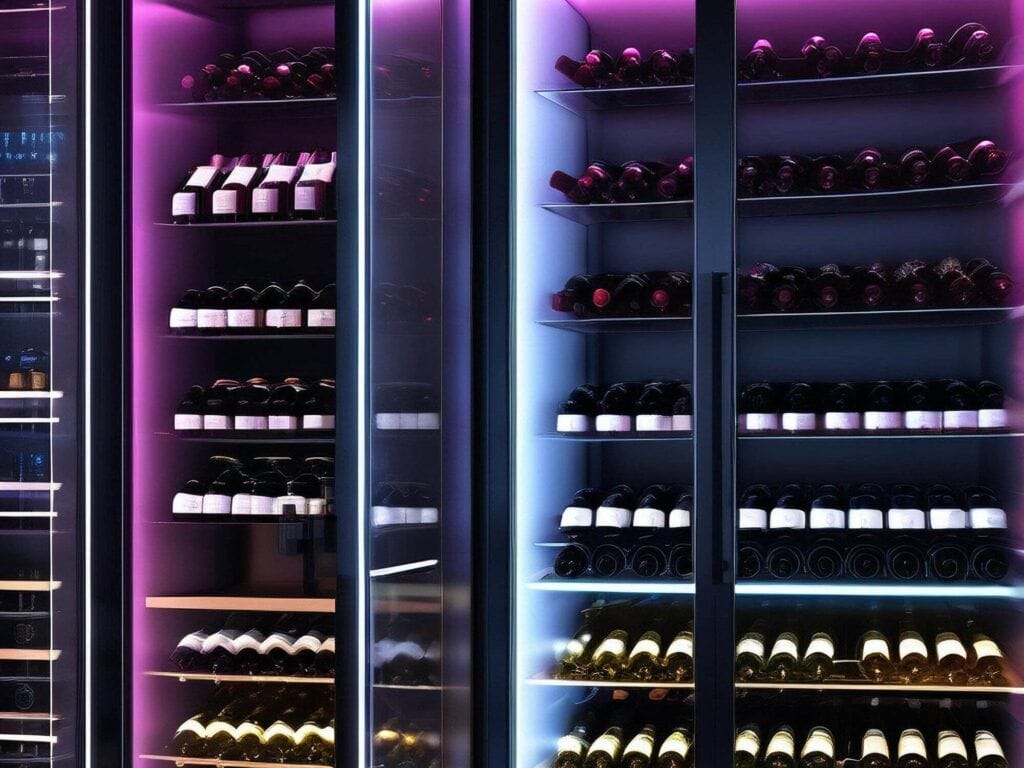
Recognizing the inherent limitations of traditional vessel-based protection, a new paradigm in wine preservation has emerged: actively managed UV-C cellar defense systems. These technologies are designed to create an environment that is actively hostile to UV radiation, thereby safeguarding your liquid assets at a fundamental level.
The Principle of UV-C Application
UV-C radiation, with wavelengths between 200-280 nm, is a germicidal ultraviolet light. At specific dosages, it is highly effective at disrupting the molecular bonds within DNA and RNA, rendering microorganisms inert. Crucially, the same principle of molecular disruption can be applied to mitigate UV-induced photodegradation within the protected environment of a wine cellar.
- Targeted Wavelength Deployment: UV-C systems are engineered to emit specific wavelengths that are particularly adept at neutralizing the energetic photons responsible for wine degradation. These systems do not rely on ambient light or the passive shielding properties of glass.
- Controlled Environmental Neutralization: Unlike passive measures, UV-C technology actively neutralizes UV threats within the cellar space. It functions as an invisible guardian, intercepting and neutralizing potentially damaging wavelengths before they can reach the wine. This creates a proactive defense, a significant upgrade from reactive measures.
System Architecture and Strategic Placement
The efficacy of a UV-C cellar defense system hinges on its intelligent design and strategic implementation.
- Strategic Placement for Comprehensive Coverage: Luminaires are strategically positioned to ensure uniform coverage across the entire cellar volume. This includes areas where bottles are stored on racks, as well as any open spaces where light ingress might occur. The goal is to create an absolute protection zone.
- Programmable Cycles and Intensity Control: Advanced systems offer programmable cycles, allowing for timed activation that minimizes any potential impact on the cellar environment while maximizing protective efficacy. Intensity can be calibrated based on the specific threat profile of the cellar, ensuring optimal neutralization without overexposure.
- Integration with Thermal Mass and Vapor Barrier: The UV-C system is designed to complement existing passive preservation technologies. It integrates seamlessly with the thermal mass of the cellar structure and the integrity of the vapor barrier, creating a holistic preservation ecosystem. These systems do not disrupt, but rather augment, the established environmental controls.
The Invisible Shield: How UV-C Protects Your Vintage
The fundamental mechanism of UV-C cellar defense is the prevention and neutralization of damaging UV-A and UV-B photons.
- Absorption and Re-emission/Neutralization: The UV-C emitters are designed to produce light at wavelengths that are either absorbed by the materials within the enclosure, effectively rendering them inert, or are specifically designed to neutralize the energetic photons of UV-A and UV-B. Think of it as intercepting deleterious wavelengths before they can initiate their destructive photochemical processes.
- Preventing Photochemical Cascade: By neutralizing the initiating UV photons, the system pre-empts the entire cascade of detrimental chemical reactions. Riboflavin remains unexcited, ROS are not generated, and the delicate molecular structures of aroma compounds and phenolics are spared from oxidative assault. This is akin to deactivating a fuse before the explosive charge can detonate.
- Maintaining Organoleptic Integrity: The ultimate objective is the preservation of organoleptic integrity. By eliminating the primary causative agent of photodegradation, the system ensures that the wine retains its original aromatic complexity, vibrant color, and nuanced flavor profile, as intended by the winemaker and as it matures over time. Your liquid assets retain their intrinsic value and sensory appeal.
Elevating Your Collection: A Consultation at Walnut Creek
The safeguarding of a valuable wine collection transcends mere storage; it is an act of stewardship, ensuring that these liquid assets appreciate in both monetary and sensory value over time. The introduction of UV-C cellar defense technology represents a significant advancement in this discipline, offering a level of protection previously unattainable.
We invite you to experience this sophisticated preservation solution firsthand. Our Walnut Creek showroom is equipped with exemplary installations that demonstrate the seamless integration and operational effectiveness of our UV-C cellar defense systems. Here, in a controlled environment, you can witness how advanced technological interventions can elevate your wine preservation strategy from mere containment to active, intelligent defense. Engage with our specialists to understand the technical specifications, the scientific underpinnings, and the precise application of this technology to your unique collection and cellar architecture. This is an opportunity to consult with experts and make an informed decision to protect your investment for generations to come.
FAQs
What is UV-C technology and how does it work in wine cellar protection?
UV-C technology uses ultraviolet light in the C spectrum (wavelengths between 200-280 nm) to disinfect surfaces and air by destroying the DNA and RNA of microorganisms. In wine cellars, UV-C light helps reduce mold, bacteria, and other contaminants that can spoil wine or damage storage conditions.
Is UV-C light safe to use in a wine cellar?
When used properly, UV-C light is safe for wine cellar environments. It should be installed in a way that prevents direct exposure to humans and animals, as UV-C light can be harmful to skin and eyes. Many systems use enclosed or timed UV-C devices to ensure safety.
Can UV-C light affect the quality or taste of wine?
UV-C light does not directly affect the wine inside sealed bottles. Its purpose is to maintain a clean environment by reducing microbial growth on surfaces and in the air, which can help preserve the overall quality of the wine by preventing spoilage.
How often should UV-C devices be used in a wine cellar?
The frequency of UV-C use depends on the size of the cellar and the level of contamination risk. Some systems operate continuously at low intensity, while others run on a scheduled basis, such as several times a day or week, to maintain cleanliness without overexposure.
Are there any limitations to using UV-C light for wine cellar protection?
Yes, UV-C light is effective only on surfaces and air directly exposed to the light. It cannot penetrate opaque materials or reach hidden areas. Therefore, it should be used as part of a comprehensive cellar maintenance plan, including proper ventilation, humidity control, and regular cleaning.