Industrial Sophistication: The Durability and Aesthetic of Blackened Steel Metallurgy
The discerning collector understands that the preservation of vinous assets transcends mere storage; it necessitates a rigorously engineered environment that safeguards organoleptic integrity. When considering the architecture of your cellar, the choice of material for racking is not merely an aesthetic consideration, but a critical determinant of long-term stability and, ultimately, the value appreciation of your collection. This piece will outline the intrinsic benefits of blackened steel as a superior material choice, offering both structural integrity and a refined aesthetic that elevates the cellar from a utility space to an architectural focal point.
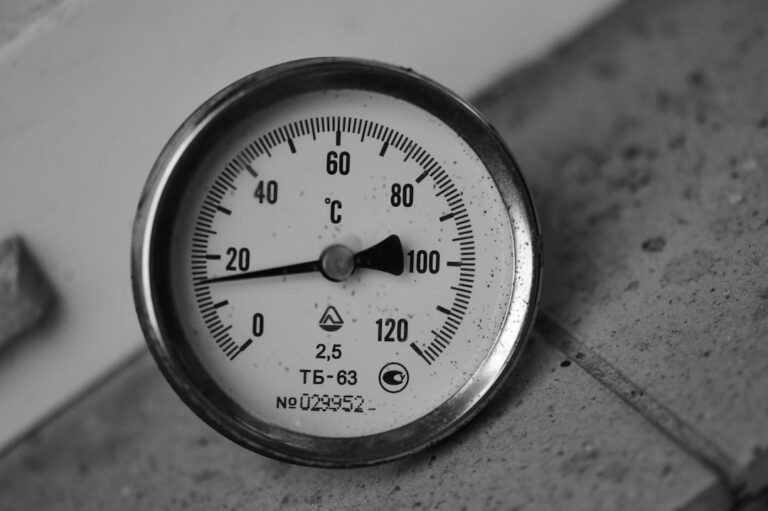
The core tenet of effective wine preservation lies in mitigating thermal fluctuations. Rapid or significant changes in temperature are detrimental, causing the expansion and contraction of the cork, thereby compromising the vapor barrier and inviting oxygen ingress. This oxidation is the primary antagonist to a wine’s intended aging trajectory, leading to premature senescence and the degradation of its complex aromatic compounds.
The Role of Thermal Mass in Cellar Design
Blackened steel, by virtue of its density and inherent thermal mass, plays a pivotal role in augmenting the overall thermal stability of your cellar. Unlike lighter, more porous materials, steel absorbs and dissipates heat at a measured rate. This thermal inertia acts as a buffer against ambient temperature shifts, effectively dampening environmental volatility. Imagine your cellar as a perfectly calibrated instrument; the steel racking, integrated into its structure, functions as a natural regulator, minimizing thermal shock to your liquid assets. This effect is particularly pronounced in instances of power outages or HVAC system irregularities, where the passive thermal resistance of the racking can extend the window of safe temperature reprieve, delaying critical damage.
Moisture Regulation and Material Permeability
While steel itself is non-porous and acts as an effective barrier against direct moisture absorption, its integration within a properly climate-controlled cellar contributes to the overall equilibrium. The cool, stable surface of blackened steel discourages condensation when relative humidity is correctly managed, preventing the growth of molds and mildews that not only compromise bottle labels but can also introduce undesirable off-notes if allowed to permeate the cork. The material’s resistance to biological degradation ensures a perpetually sterile contact surface for your bottles.
Structural Integrity: Engineering for Longevity and Accessibility
The considerable weight of a substantial wine collection demands a racking system engineered for unwavering structural integrity. A standard 750ml bottle, when full, weighs approximately 1.25 kilograms. Multiplied across hundreds, or even thousands, of bottles, the cumulative load is substantial and requires materials that exhibit exceptional tensile strength and resistance to deflection over time.
Load Bearing Capacities and Anti-Vibration Properties
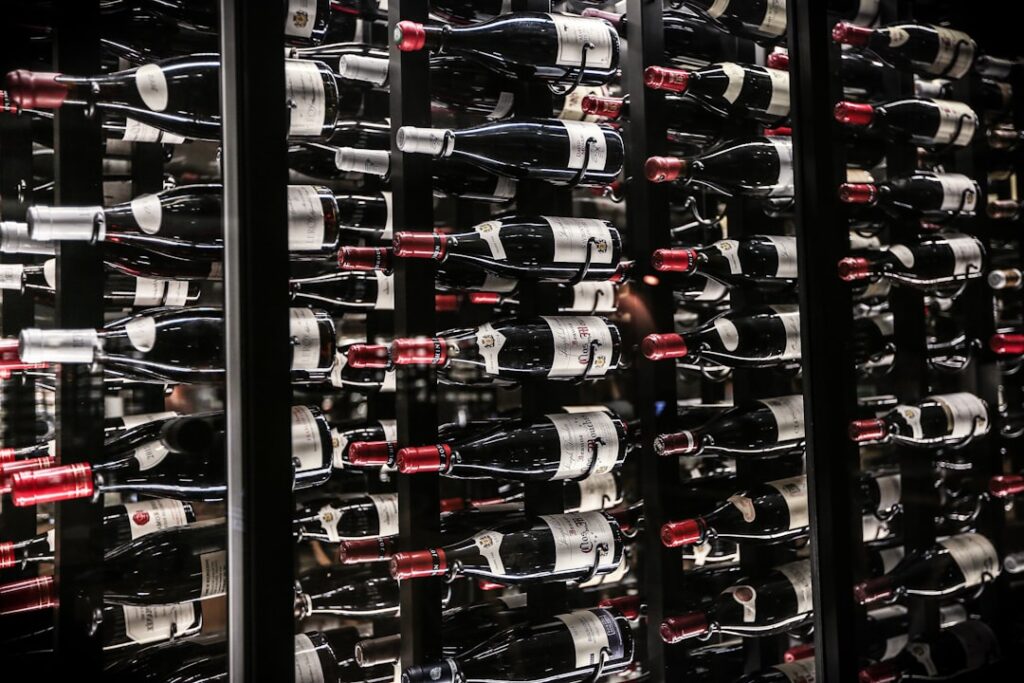
Blackened steel, with its superior strength-to-weight ratio, provides the necessary robust framework. Unlike timber, which can warp, twist, or succumb to pest infestation, steel maintains its form and load-bearing capacity indefinitely. This inherent rigidity also contributes to vibration dampening. Micro-vibrations, whether from foot traffic, nearby machinery, or even minor seismic activity, can disturb the delicate sediment within aging wines, accelerating the chemical reactions that lead to premature aging. The solid construction of blackened steel racking, especially when properly anchored, acts to dissipate these kinetic energies, ensuring a tranquil environment for your collection. Consider each bottle resting in its steel cradle; this is not merely storage, but a resilient sanctuary against destabilizing forces.
Modular Design and Adaptability
The inherent machinability of steel allows for highly customizable and modular racking systems. This is critical for the evolving nature of a serious collection. As new acquisitions are made and older vintages are consumed, the racking system must adapt without compromising its structural integrity or aesthetic cohesion. Blackened steel modules can be precisely manufactured to accommodate various bottle formats – standard Bordeaux, Burgundy, magnums, and larger formats – ensuring a snug fit that minimizes unwanted movement and maximizes storage density. This adaptability prevents the need for costly and disruptive overhauls, preserving the continuous, undisturbed repose of your valuable inventory.
The Aesthetic Imperative: Blackened Steel as an Architectural Focal Point

Beyond its formidable functional attributes, blackened steel offers a sophisticated visual language that elevates the cellar environment. The finish is not a superficial coating but an integral transformation of the steel’s surface, creating a depth of color and subtle textural variation that is both enduring and captivating.
The Allure of Subtlety and Depth
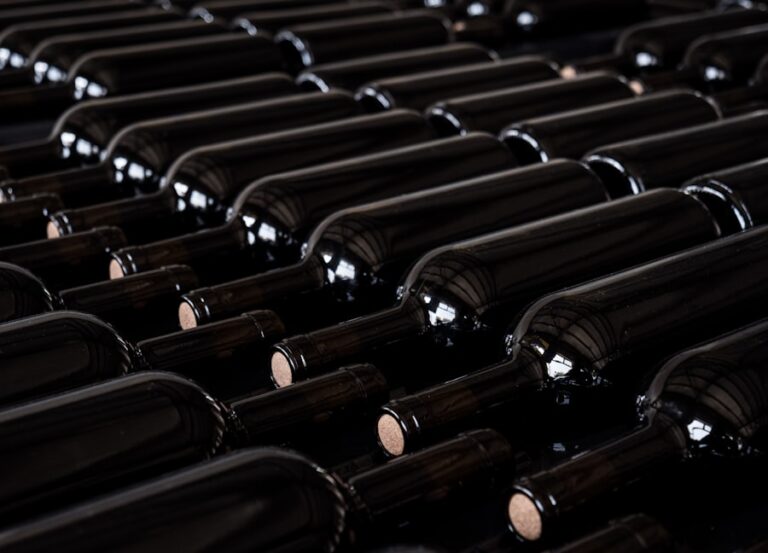
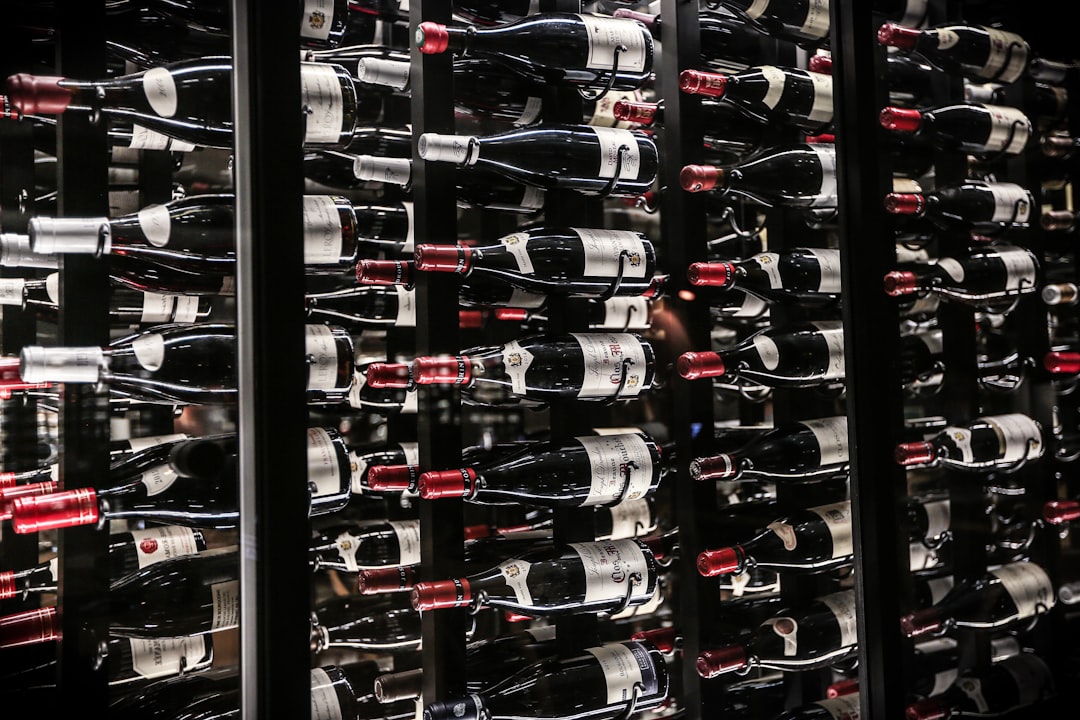
The unique blackening process, often achieved through chemical patination rather than simple painting, results in a rich, matte finish that absorbs light rather than reflecting it garishly. This subdued aesthetic allows the vibrant hues of the wine itself – the deep ruby of a young Cabernet, the amber glow of an aged Sauternes – to take center stage. The blackened steel acts as a sophisticated backdrop, an understated framework that enhances the visual presentation of your collection without vying for attention. It speaks of quiet strength and considered design, a perfect complement to the quiet dignity of maturing wine. This visual characteristic makes the racking an architectural focal point, transforming a utilitarian space into a gallery for liquid art.
Harmonizing with Decorum and Branding
For a luxury heritage brand owner, the cellar is often an extension of personal taste and institutional identity. Blackened steel, with its timeless appeal and industrial chic, seamlessly integrates with a spectrum of interior design styles, from minimalist contemporary to classic and traditional. Its robust elegance aligns perfectly with the brand ethos of quality, durability, and understated luxury. It quietly underscores the investment made in both the wine and its environment, projecting an image of meticulous care and profound appreciation. The choice of blackened steel is a statement of intent, a declaration that every aspect of the wine experience, from storage to consumption, has been curated with discerning precision. This materiality elevates the cellar beyond mere storage to an essential component of the brand’s narrative.
Enhanced Preservation Through Environmental Control Integration
The optimal functioning of any wine preservation system relies on a holistic approach, where the racking is not an isolated element but an integral component of a larger, carefully calibrated environment. Blackened steel facilitates this integration both physically and functionally.
Strategic Airflow and Humidity Management
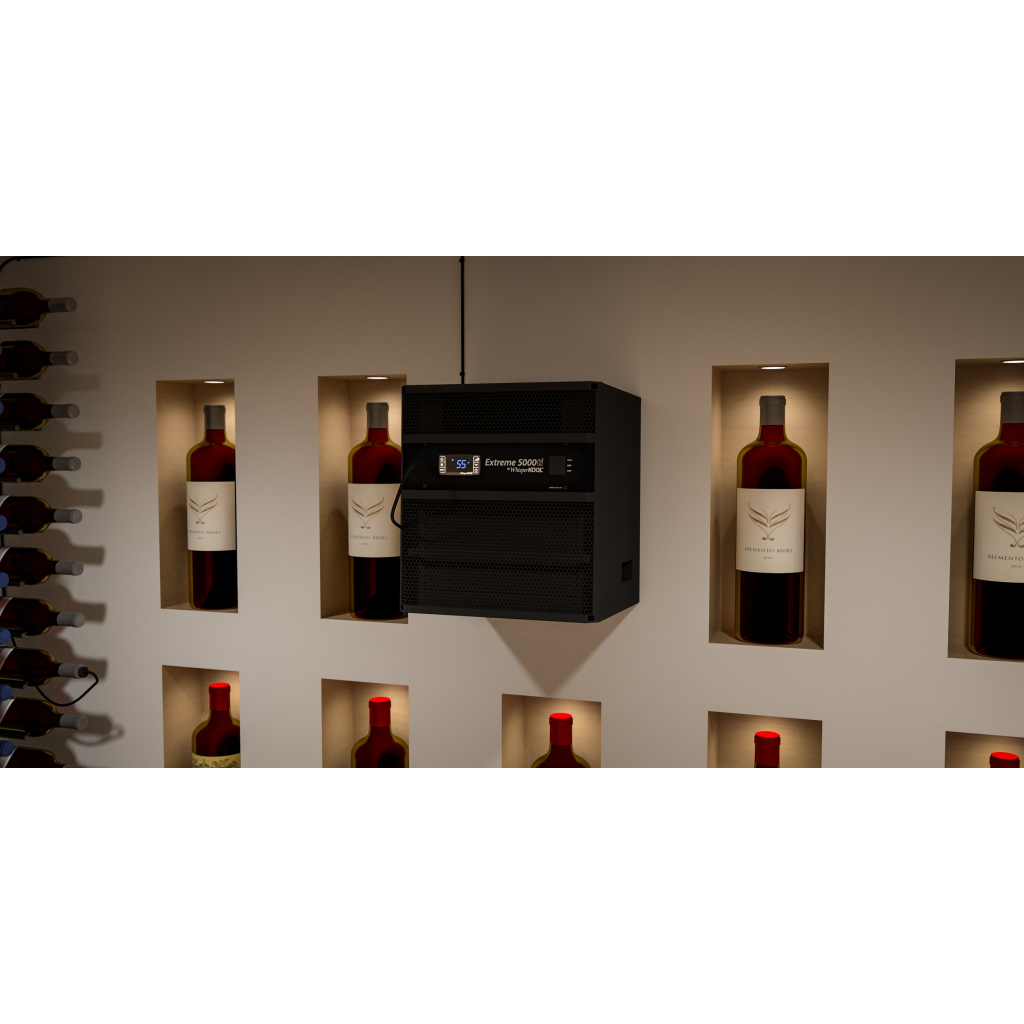
The open design inherent in most modern steel racking systems, driven by the material’s strength, allows for superior airflow around each bottle. This is crucial for uniform temperature and humidity distribution throughout the cellar, preventing hot spots or pockets of stagnant, overly humid air that can foster mold growth. While the primary climate control system (HVAC and humidifiers) actively manages these parameters, the racking’s architecture acts as a passive facilitator, ensuring the efficacy of the active systems. Think of it as the circulatory system for your cellar’s atmosphere, ensuring that the carefully calibrated air reaches every single bottle.
Illumination Considerations and UV Protection
While not directly a UV barrier, blackened steel’s matte finish significantly reduces reflectivity, which can be beneficial in mitigating stray light in a cellar. Wine storage demands darkness, as UV light initiates harmful chemical reactions that lead to “light strike,” irrevocably damaging the wine’s character. When integrated with proper, low-UV lighting solutions, such as LED, the non-reflective surface of blackened steel minimizes any potential light scatter, contributing to a consistently low-light environment essential for long-term preservation. This attention to detail extends the protection beyond thermal and vibrational considerations to encompass the full spectrum of environmental threats.
Conclusion: An Invitation to Experience Excellence
The decision to invest in blackened steel racking is not merely a purchase; it is a strategic enhancement of your liquid asset portfolio. It represents a commitment to the long-term preservation of organoleptic integrity, the safeguarding of financial value, and the elevation of your cellar into a space of distinguished beauty. The technical superiority, the robust engineering, and the sophisticated aesthetic coalesce to create a preservation solution that is both indefatigable and inspiring.
Understanding the intricate interplay between material science, environmental control, and aesthetic design is paramount in creating a truly exceptional cellar. We invite you to experience the tangible difference that meticulously engineered blackened steel racking can make. Our experts at the Walnut Creek showroom stand ready to provide a detailed consultation, demonstrate the superior qualities of our systems, and assist you in designing a bespoke solution that perfectly aligns with your collection’s needs and your personal vision for an unparalleled preservation environment. Discover how a commitment to quality in every component translates directly into the enduring value of your wine collection.
FAQs
What is blackened steel racking?
Blackened steel racking refers to storage racks made from steel that has undergone a blackening process, which typically involves a chemical or heat treatment to create a dark, protective finish on the metal surface.
What are the benefits of blackened steel finishes on racking?
Blackened steel finishes provide enhanced corrosion resistance, a distinctive aesthetic appeal with a dark matte or glossy look, and increased durability, making the racks suitable for both industrial and decorative applications.
How is the blackened finish applied to steel racking?
The blackened finish is usually applied through processes such as black oxide coating, heat treating, or chemical dipping, which create a thin layer of magnetite (Fe3O4) on the steel surface, improving its resistance to rust and wear.
Is blackened steel racking suitable for outdoor use?
While blackened steel offers some corrosion resistance, it may require additional protective coatings or maintenance to withstand prolonged exposure to outdoor elements, especially in harsh weather conditions.
Can blackened steel racking be customized in terms of size and design?
Yes, blackened steel racking can be custom fabricated to meet specific size, load capacity, and design requirements, making it versatile for various storage needs in warehouses, retail spaces, and workshops.