The Profitability Pivot: Elevating Bottle Velocity through Visible Curation Systems
The strategic optimization of a hospitality beverage program is not merely a matter of inventory management; it is an intricate interplay of consumer psychology, economic modeling, and sophisticated preservation technology. To maximize Return on Investment (ROI) in this critical domain, one must transcend superficial considerations and delve into the granularities of guest experience and operational efficiency. This necessitates a forensic examination of profit centers and cost drivers, ensuring that every libation, from the most ephemeral cocktail to the most venerable vintage, contributes positively to the overarching financial objectives.
The foundational premise of maximizing ROI lies in a comprehensive understanding of all associated costs. This extends far beyond the direct purchase price of a bottle or keg.

Direct Costs: Beyond the Purchase Price
The immediate expense of acquiring beverages is a straightforward calculable figure. However, a granular analysis reveals additional, often overlooked, direct costs. These include freight and shipping, which can significantly impact unit cost, particularly for rare or imported selections. Customs duties and tariffs for international products represent another direct cost component that can fluctuate based on geopolitical factors. Furthermore, breakages and spoilage, while seemingly minor in isolation, accumulate to a material cost over time, demanding rigorous inventory control and handling protocols.
Indirect Costs: The Hidden Drain
The truly insidious drains on profitability often reside within the indirect costs. These are frequently underestimated or entirely ignored. Labor, both in procurement and service, represents a substantial indirect cost. This encompasses the time dedicated to menu creation, supplier negotiation, inventory stock takes, and, critically, the preparation and service of each drink. Energy consumption, particularly for refrigeration units, is another significant indirect cost, fluctuating with equipment efficiency and utility rates. The opportunity cost of capital tied up in inventory, especially slow-moving or high-value items, should also be factored in. This capital could otherwise be deployed in revenue-generating ventures.
The Cost of Quality vs. The Cost of Compromise
A critical distinction must be drawn between the justifiable expense of quality and the detrimental cost of compromise. Investing in premium ingredients, whether spirits, fresh juices, or even artisanal ice, often translates to a superior guest experience and, consequently, higher perceived value and pricing power. Conversely, compromising on quality to reduce direct costs can lead to guest dissatisfaction, negative reviews, and ultimately, a decline in patronage and revenue. The initial savings are often dwarfed by the long-term impact on brand reputation and loyalty. This delicate balance requires a nuanced understanding of your target demographic’s expectations.
Strategic Inventory Management and Procurement
The efficacy of a beverage program’s ROI is inextricably linked to its inventory management and procurement strategies. Operating an efficient cellar or bar is akin to managing a liquid asset portfolio; meticulous attention to detail is paramount.
Optimizing Par Levels and Turnover Rates
Maintaining optimal par levels—the minimum acceptable inventory on hand—is crucial. Excessive inventory ties up capital, increases storage costs, and heightens the risk of spoilage or obsolescence. Conversely, insufficient inventory leads to stock-outs, missed sales opportunities, and guest frustration. The goal is a high turnover rate for fast-moving items, ensuring fresh product and minimizing capital lock-up. For slower-moving, high-value items, a more considered approach is necessary, balancing the desire for breadth of offering with the financial implications of extended holding periods. Just-in-time inventory practices, where feasible, can significantly reduce holding costs and enhance cash flow.
Leveraging Supplier Relationships and Volume Discounts
Cultivating robust relationships with suppliers extends beyond mere transactional interactions. Strategic partnerships can unlock preferential pricing, volume discounts, and access to limited-edition or allocated products. Negotiating advantageous payment terms can also improve cash flow. Furthermore, a diversified supplier base mitigates risks associated with single-source dependency and provides leverage during price negotiations. Understanding your suppliers’ ordering windows, delivery schedules, and minimum order requirements is essential for streamlined operations and cost control.
The Art of Menu Engineering: Data-Driven Decision Making
Menu engineering is not a creative exercise; it is a data-driven science. By analyzing sales data, profit margins, and guest preferences, items can be categorized as ‘stars’ (high profit, high popularity), ‘plow horses’ (high popularity, low profit), ‘puzzles’ (high profit, low popularity), or ‘dogs’ (low profit, low popularity). Strategic adjustments to pricing, placement on the menu, and suggestive selling techniques can then be employed to maximize profitability. For instance, ‘puzzle’ items might benefit from staff training on their unique selling points, while ‘plow horses’ might be subtly re-engineered to increase their profit margin without alienating loyal customers. The objective is to guide guests towards higher-margin items without overtly appearing to do so.
The Role of Preservation Technology in Maximizing Value

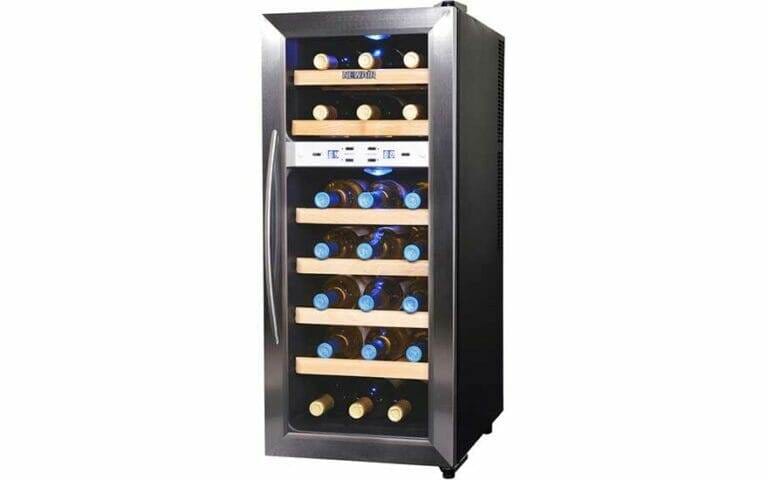
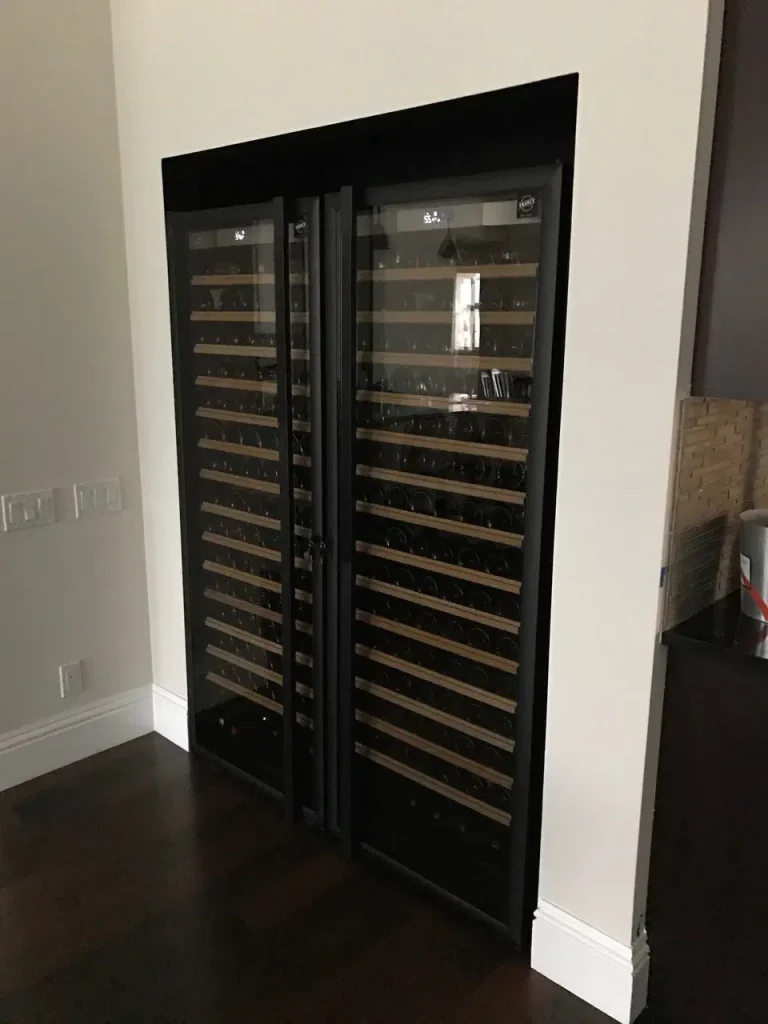
For any establishment serious about maximizing its beverage program ROI, particularly those with a significant investment in fine wines or high-end spirits, the integration of advanced preservation technology is not an indulgence—it is a financial imperative.
Temperature and Humidity Control: Safeguarding Organoleptic Integrity
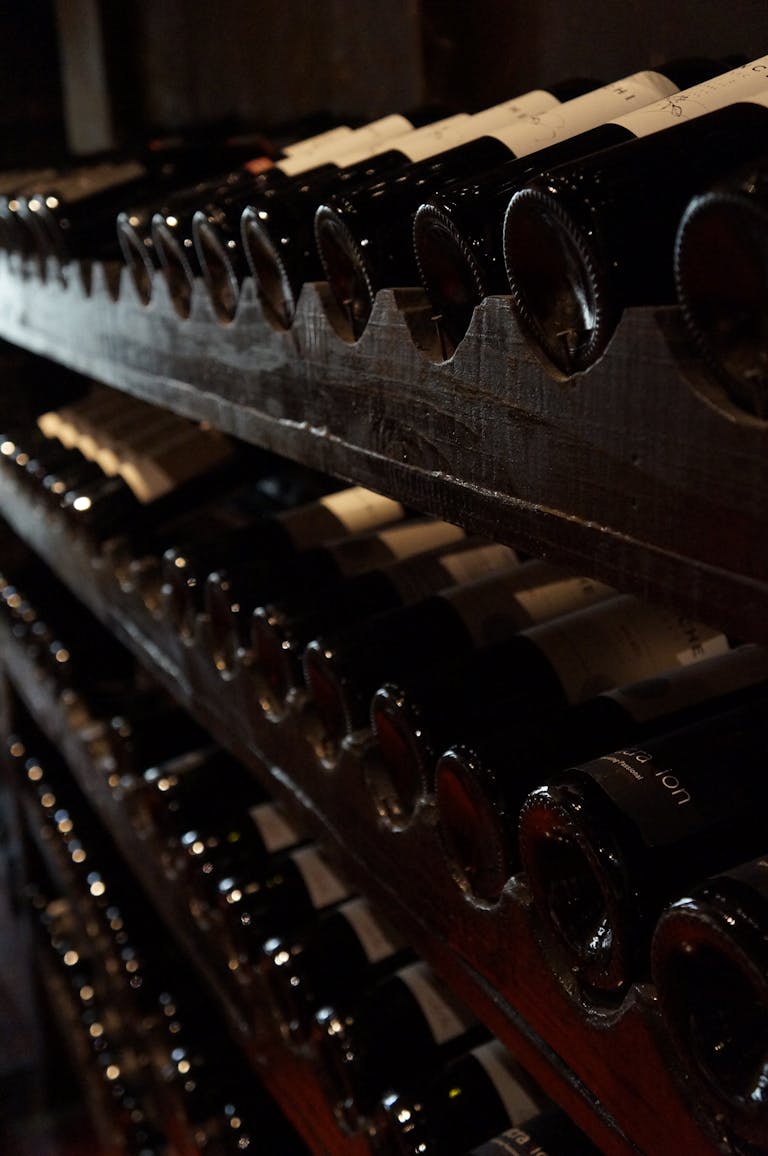
The enemy of liquid assets is often unseen until it is too late. Fluctuations in temperature are profoundly detrimental to the organoleptic integrity of wine, spirits, and even certain high-end beers. Maintaining a stable, cool temperature prevents premature oxidation and ensures the slow, graceful maturation of fine vintages. Equally critical is humidity control. Low humidity can lead to cork shrinkage, allowing oxygen ingress and rapid degradation. Conversely, excessive humidity can foster mold growth on labels and corks, detracting from the aesthetic and market value. State-of-the-art preservation units regulate both these parameters with precision, acting as a crucial vapor barrier against environmental stressors. This extends the shelf life of inventory and protects against significant financial loss from compromised product.
Vibration Dampening: The Silent Destroyer
Often overlooked, ambient vibrations, whether from foot traffic, refrigeration compressors, or nearby machinery, can subtly but significantly impact the quality of stored beverages. Micro-vibrations can disrupt the natural sedimentation process in wines, causing a ‘shaking’ of the liquid that accelerates aging and diminishes character. High-quality preservation systems incorporate advanced vibration dampening technology, often utilizing isolated compressor mounts and multi-chamber designs, to create an environment of pristine stillness. This technological sophistication directly translates into the preservation of delicate esters and volatile aromatic compounds, safeguarding the investment in every bottle.
UV Protection: Shielding from Photo-Degradation
Sunlight, and particularly its ultraviolet (UV) component, is a powerful catalyst for photo-degradation in beverages. Exposure to UV rays can instigate chemical reactions that lead to ‘light-strike’ in wine, causing unpleasant sulfurous odors and a noticeable degradation of flavor profile. Even spirits, when excessively exposed, can suffer from pigment alteration and subtle flavor changes. Preservation units featuring UV-filtered, thermal-pane glass eliminate this risk, acting as an imperceptible yet critical shield. This ensures that the intrinsic quality of the beverage remains uncompromised, maintaining its aesthetic appeal and, crucially, its market value.
Security and Accessibility: Balancing Protection with Presentation
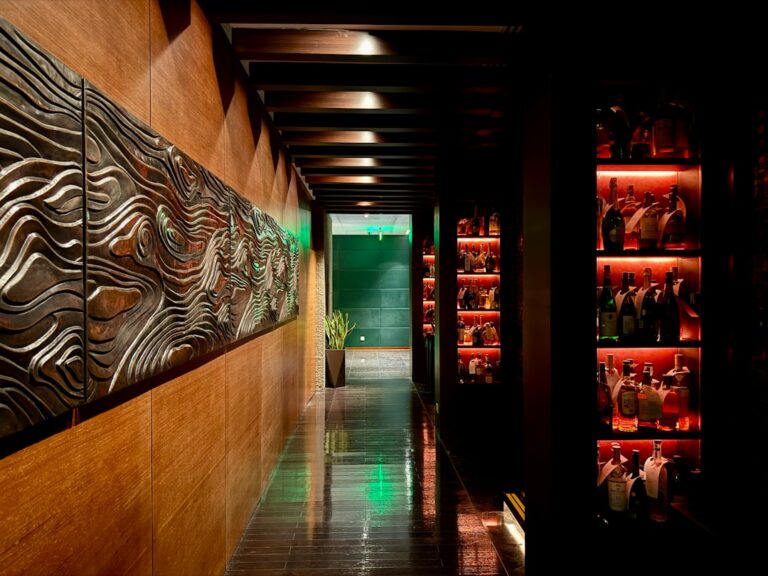
Beyond environmental controls, effective preservation technology integrates robust security features. High-value liquid assets necessitate secure storage to prevent theft or unauthorized access. Simultaneously, for front-of-house applications or direct guest interaction, accessibility and presentation are paramount. Units designed as architectural focal points, showcasing select bottles under optimal conditions, can elevate the perceived value of the entire beverage program. This harmonious blend of technological protection and aesthetic integration transforms storage from a utilitarian necessity into a luxurious brand statement.
Staff Training and Service Excellence
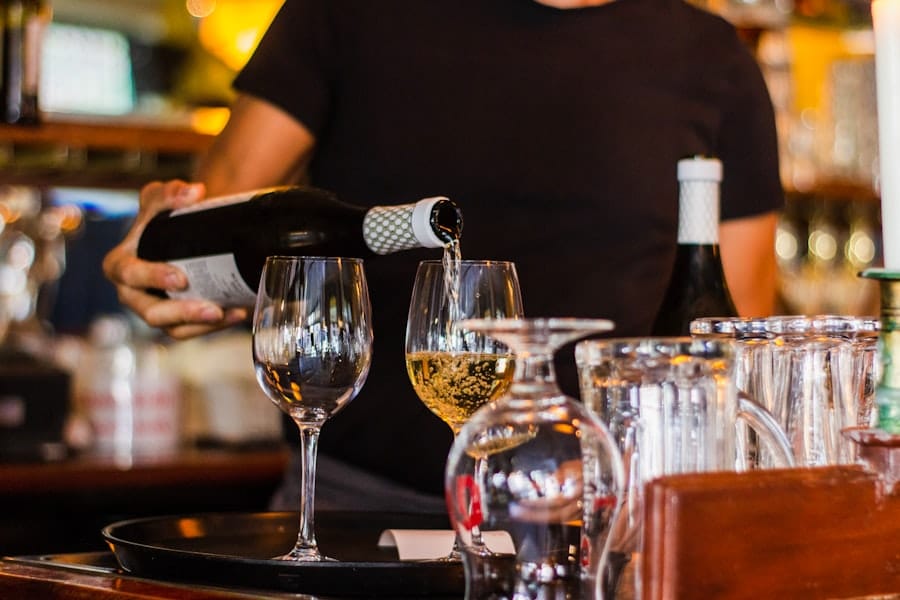
No matter how meticulously curated the inventory or technologically advanced the preservation system, the human element remains paramount in maximizing beverage program ROI.
Product Knowledge: The Art of Intelligent Suggestion
A well-trained staff capable of articulating the nuances of your beverage offerings is an invaluable asset. This extends beyond merely reciting a list of ingredients. It involves understanding grape varietals, regional characteristics, distillation processes, and appropriate food pairings. Intelligent suggestions, based on a guest’s preferences or food order, can lead to upselling, increased check averages, and, crucially, a more memorable dining experience. Empowering staff with comprehensive product knowledge transforms them from order-takers into trusted advisors.
Pouring and Portion Control: Mitigating Spoilage and Waste
Precision in pouring and portion control directly impacts profitability. Over-pouring, even by a small margin across hundreds of servings, can lead to significant product, and therefore revenue, loss over time. Conversely, under-pouring can lead to guest dissatisfaction. Regular calibration of pouring spouts, the use of jiggers, and ongoing staff training on standardized pouring techniques are essential. Furthermore, educating staff on appropriate storage and handling of opened bottles, including the use of wine preservation systems or re-corking techniques, mitigates spoilage and waste.
The Power of the Sommelier/Beverage Director: Strategic Leadership
The role of a Master Sommelier or a highly experienced Beverage Director transcends operational management. This individual serves as a strategic leader, an internal consultant whose expertise profoundly impacts ROI. Their ability to identify emerging trends, forecast demand, negotiate complex supplier contracts, and curate a distinctive, profitable wine list is invaluable. Furthermore, they are instrumental in staff training and in establishing a culture of beverage excellence that permeates the entire establishment. This highly specialized expertise is an investment that yields substantial returns through enhanced guest satisfaction and optimized financial performance.
Marketing and Merchandising Strategies
Even with a perfectly optimized program, effective marketing and merchandising are critical to converting inventory into revenue.
Curating a Compelling Beverage List
The beverage list is more than a price catalog; it is itself a marketing tool. Its design, narrative, and ease of navigation significantly impact guest engagement. Curating a compelling list involves balancing popular demand with unique offerings, ensuring a diverse range of price points, and thoughtfully presenting information such as origin, vintage, and tasting notes. The inclusion of suggested pairings can further enhance the guest experience and drive sales.
Events and Promotions: Driving Demand and Discovery
Strategic events and promotions can generate excitement, encourage discovery, and boost sales, particularly for specialty or higher-margin items. Wine dinners, spirit tastings, cocktail masterclasses, and themed beverage nights can attract new clientele and increase repeat visits. Promotions, such as happy hour specials or loyalty programs, can incentivize larger purchases or encourage exploration of different offerings. These initiatives must be carefully planned and executed to ensure they contribute positively to the overall ROI, rather than merely discounting product.
Digital Presence and Storytelling: Enhancing Brand Perception
In the digital age, a robust online presence is non-negotiable. Showcasing your unique beverage offerings, sharing the stories behind specific wines or spirits, and highlighting the expertise of your staff through high-quality photography and engaging narratives can significantly enhance brand perception. Social media platforms, in particular, offer powerful avenues for connecting with potential guests, announcing new additions, and promoting upcoming events. This digital storytelling elevates the perceived value of your beverage program, reaching an audience far beyond the physical confines of your establishment.
FAQs
What is a Hospitality Beverage Program ROI?
Return on Investment (ROI) in a hospitality beverage program measures the financial return generated from investments made in beverage services, including costs of ingredients, labor, and marketing, compared to the revenue earned from beverage sales.
Why is tracking ROI important for a hospitality beverage program?
Tracking ROI helps hospitality businesses understand the profitability of their beverage offerings, optimize pricing strategies, control costs, and make informed decisions to improve overall financial performance.
What factors influence the ROI of a hospitality beverage program?
Key factors include beverage cost control, pricing strategy, menu design, staff training, inventory management, customer preferences, and marketing efforts.
How can a hospitality business improve the ROI of its beverage program?
Improvements can be made by optimizing beverage pricing, reducing waste, enhancing staff training for upselling, selecting popular and high-margin drinks, and using data analytics to tailor offerings to customer preferences.
What tools or methods are commonly used to calculate beverage program ROI?
Common methods include cost of goods sold (COGS) analysis, profit margin calculations, sales tracking software, inventory management systems, and financial reporting tools that help compare costs against revenue generated.