Preservation by the Glass: The Engineering Behind Nitrogen and Argon Integration
Vibration, the insidious enemy of wine’s organoleptic integrity, can denature complex esters and accelerate oxidative processes. Its ubiquitous presence, emanating from domestic appliances to seismic activity, necessitates a proactive approach to preservation. The sophisticated collector understands that while the vessel – the bottle, the cellar’s thermal mass – plays a critical role, the very act of dispensing a liquid asset introduces a new frontier of vulnerability. This document outlines the strategic imperative and technical efficacy of inert gas dispensing systems, a cornerstone of advanced wine preservation technology.




The Molecular Agitation of Vibration
The microstructure of wine, a delicate symphony of volatile organic compounds, exists in a state of equilibrium. External kinetic energy, manifesting as vibration, disrupts this harmony at a molecular level. Think of it as a low-frequency tremor that perturbs the nascent bouquet, initiating subtle, yet irreversible, changes. While imperceptible to the casual palate, for a Master Sommelier, these shifts represent a diminishment of the wine’s intended character. The primary mechanism is the increased rate of diffusion. Vibration effectively ‘shakes’ the dissolved oxygen deeper into the wine, facilitating its reaction with the more susceptible phenolic compounds and varietal aromatics. This is not merely a theoretical concern; empirical evidence in accelerated aging studies consistently demonstrates the deleterious impact of sustained vibration. The goal is to maintain the wine in a state of stasis, minimizing exogenous influences that accelerate its journey from apex to senescence.
The Oxygen Paradox: Dispensing and Degradation
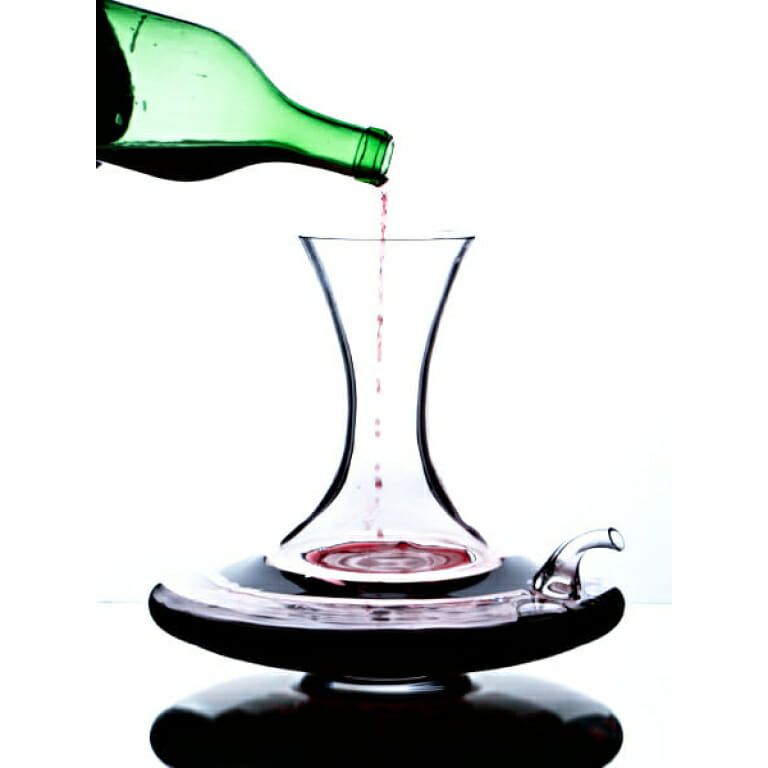
The act of decanting or pouring wine, while often perceived as necessary for aeration, introduces a significant stoichiometric challenge: the pervasive presence of atmospheric oxygen. For wines destined for extended aging, or those exhibiting exceptional finesse, this exposure can be a profound detriment. Oxygen, though essential in minute quantities during early aging processes, becomes an accelerant of degradation once the wine reaches its desired maturity or when stored for prolonged periods post-purchase. The interface between the wine’s surface and the ambient air within the bottle during dispensing is a critical juncture where oxidation is most potent. Each pore within the cork, or indeed any micro-fissures in a closure system, can become a conduit for this relentless oxidant, particularly when coupled with the introduction of air during the pouring process itself.
Inert Gas Dispensing: A Technical Imperative
The Principle of Displacement: Creating a Protective Cloak
Inert gas dispensing systems operate on the fundamental principle of pneumatic displacement. A stream of an inert gas, typically argon or nitrogen (or a precisely calibrated blend thereof), is introduced into the wine vessel. This gas is denser than air and possesses negligible solubility within the wine matrix. Its primary function is to create a protective, oxygen-free atmosphere above the wine’s surface, effectively forming a molecular blanket. This blanket acts as an impermeable barrier, preventing the ingress of atmospheric oxygen. The system is designed to maintain a positive pressure differential, ensuring that any residual air within the dispensing apparatus is pushed out before encountering the wine. This process is analogous to a submarine diving; the ballast tanks are flooded with an inert substance to achieve buoyancy and displacement, ensuring the vessel’s integrity in a hostile environment.
Gas Purity and Pressure Regulation: The Cornerstones of Efficacy
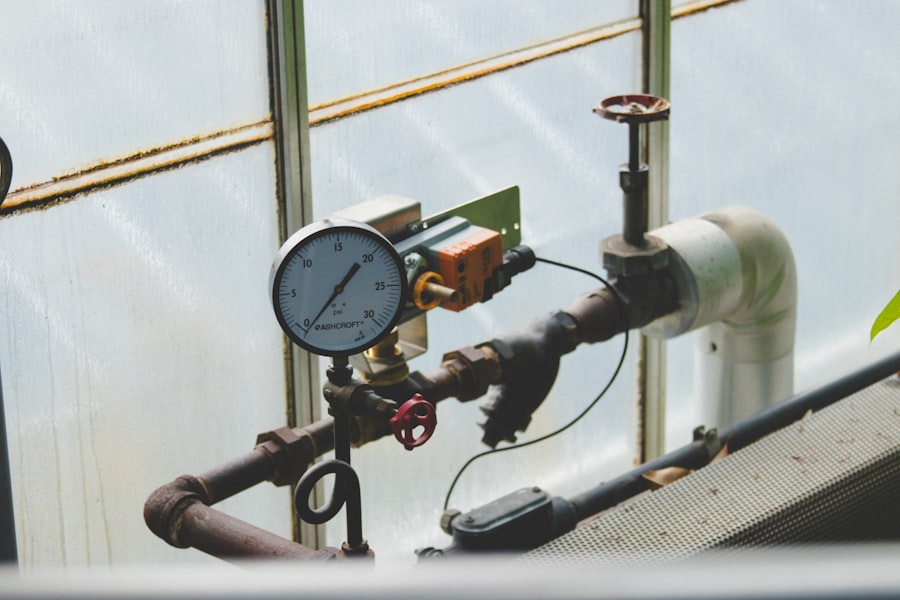
The effectiveness of an inert gas dispensing system is intrinsically linked to the purity of the dispensed gas and the meticulous regulation of its pressure. Impurities within the gas stream, such as trace amounts of oxygen or moisture, can undermine the protective barrier. Therefore, a robust filtration system is paramount, often incorporating molecular sieves or activated charcoal to remove any contaminants. Furthermore, the pressure at which the gas is introduced must be precisely calibrated. Excessive pressure can lead to an overly aggressive displacement, potentially disrupting the wine’s delicate structure or causing micro-turbulences that accelerate oxidation. Conversely, insufficient pressure will fail to create an adequate protective blanket. Sophisticated systems employ highly accurate pressure regulators, often operating within a few millibars of tolerance, to ensure an optimal and consistent dispensing environment. This technical precision is what separates true preservation technology from rudimentary methods.
System Architectures: Tailoring Preservation to the Collection
Single-Bottle Dispensing Units: Precision for the Discerning Individual Bottle
For the collector who savors individual bottles over an extended period, single-bottle dispensing units offer unparalleled precision. These systems typically involve a dedicated stopper with an integrated gas inlet and outlet. Upon insertion into the bottle, the inert gas is slowly released, displacing the oxygen-laden air. The flow rate is carefully metered to ensure gradual displacement without agitation. These units are particularly valuable for exceptionally rare or aged vintage port, sherry, or fortified wines, where the organoleptic integrity of even a single tasting portion is paramount. The architectural focal point of these devices is their unobtrusive design, seamlessly integrating into the collection without becoming an obtrusive technological statement.
Multi-Bottle Systems: Scalability and Conservation Across the Cellar
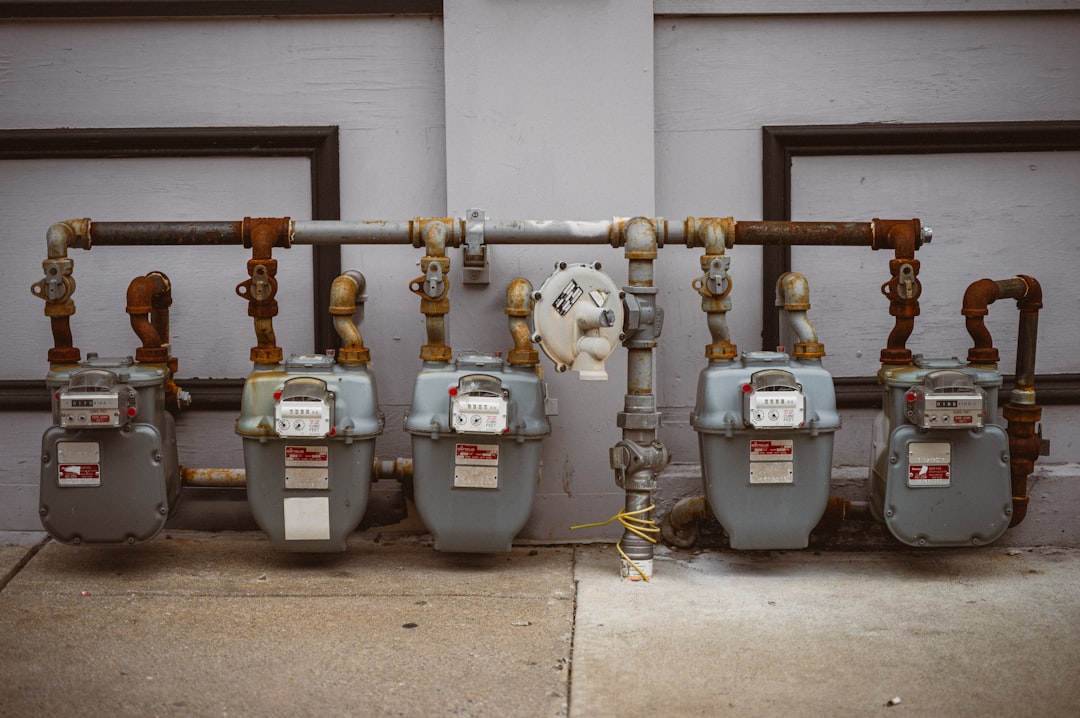
As a collection matures, the requirement for scalable preservation solutions becomes apparent. Multi-bottle dispensing systems, often integrated into larger wine storage units or freestanding cabinets, offer a comprehensive approach. These systems allow for multiple bottles to be simultaneously maintained under an inert atmosphere. The architecture here is more complex, often involving a central inert gas reservoir connected to a network of individual dispensing ports, each capable of servicing a specific bottle. The strategic placement of these ports is critical, ensuring even gas distribution and minimal disruption to the overall thermal mass of the storage environment. These systems are not merely functional; they are engineered to be an aesthetic complement to the curated cellar, often featuring brushed metals and refined finishes that speak to the enduring quality of the wines they protect.
The Synergistic Integration with Climate Control: A Holistic Approach to Preservation
The true genius of advanced wine preservation lies not in isolating individual technologies, but in their synergistic integration. Inert gas dispensing systems are most effective when working in concert with a meticulously controlled environment. The cellar’s thermal mass, its ability to absorb and release heat slowly, plays a crucial role in minimizing temperature fluctuations. Similarly, humidity control is essential, not only for the integrity of the cork but also to prevent microbial growth that can affect the nuance of the wine. When an inert gas system is integrated into a climate-controlled cellar, the result is a holistic preservation environment. The inert gas acts as the final shield, protecting the wine from the ephemeral threat of oxygen, while the climate control ensures the enduring stability of the wine’s fundamental characteristics. This interplay of technologies creates a fortress of preservation, safeguarding the liquid assets within.
The Organoleptic Imperative: Preserving the Intended Experience
The Ghost in the Machine: Maintaining Vibrancy and Complexity
The ultimate objective of any preservation technology is to ensure that the wine, when finally served, delivers the exact sensory experience intended by its creator. Inert gas dispensing systems achieve this by preserving the wine’s ‘ghost’ – its inherent vibrancy, its intricate aromatic profile, and its nuanced textural qualities. By meticulously excluding oxygen, the system prevents the mellowing and flattening that oxygen-induced aging can precipitate. The fruit notes remain bright, the floral undertones persist, and the subtle spice nuances are not subsumed by oxidation. This is particularly critical for wines destined for investment or for inclusion in a connoisseur’s library, where the passage of time is intended to enhance, not degrade, the wine’s character.
Avoiding the “Tired” Palate: The Sommelier’s Perspective
For the Master Sommelier, a wine that has succumbed to premature oxidation is not merely a disappointment; it is a betrayal of its potential. The characteristic aromas of bruised apple, sherry notes in red wines, or a general loss of freshness are all hallmarks of oxidative degradation. Inert gas dispensing systems actively combat this phenomenon, ensuring that the wine retains its youthful vigor and the clarity of its intended varietal and vintage expression. The system acts as a time capsule, preserving the wine at its peak, allowing the collector to experience it not as it has been affected by storage, but as it was intended to be. This fidelity to the original intent is the bedrock of collecting truly exceptional wines.
The Aesthetic Proposition: Form and Function in Harmony
The Walnut Creek Showroom: A Testament to Craftsmanship
Our commitment to preservation extends beyond the purely technical. The hardware itself is a testament to the heritage of craftsmanship synonymous with luxury. We invite you to experience firsthand the meticulous engineering and refined aesthetics of our inert gas dispensing systems at our Walnut Creek showroom. Here, amidst an environment designed to evoke the very spaces where fine wines are nurtured, you can witness how these preservation technologies seamlessly integrate with sophisticated cellar designs. Each unit is designed to be an architectural focal point, reflecting the discerning taste of the collector and the inherent value of the liquid assets it safeguards.
Beyond Utility: An Investment in Legacy
The acquisition of an inert gas dispensing system is not merely a purchase of equipment; it is an investment in the legacy of your collection. It is a commitment to ensuring that the wines you have meticulously curated can be enjoyed for decades to come, retaining their full character and brilliance. Imagine opening a bottle, knowing that the subtle complexities you anticipate will be present, uncompromised. This is the promise of intelligent preservation. Our consultation extends to understanding your specific collection needs, ensuring the selection of a system that not only optimizes efficiency but also elevates the entire experience of wine ownership. We encourage you to schedule a private viewing at our Walnut Creek showroom, where we can demonstrate the profound impact of this technology on the future of your liquid assets.
FAQs
What is an inert gas dispensing system?
An inert gas dispensing system is a setup designed to deliver inert gases, such as nitrogen or argon, in a controlled manner for various industrial, laboratory, or manufacturing applications. These systems help prevent oxidation, contamination, or unwanted chemical reactions by providing an oxygen-free environment.
What are common applications of inert gas dispensing systems?
Inert gas dispensing systems are commonly used in food packaging to extend shelf life, in electronics manufacturing to prevent oxidation during soldering, in chemical processing to maintain inert atmospheres, and in laboratories for experiments requiring oxygen-free conditions.
Which gases are typically used in inert gas dispensing systems?
The most commonly used inert gases in these systems are nitrogen, argon, and sometimes helium. The choice depends on the specific application, with nitrogen being widely used due to its availability and cost-effectiveness, while argon is preferred for welding and certain sensitive processes.
How do inert gas dispensing systems ensure safety?
These systems incorporate safety features such as pressure regulators, flow meters, and automatic shut-off valves to control gas flow and prevent leaks. Proper ventilation and monitoring are also essential to avoid asphyxiation risks in enclosed spaces.
What maintenance is required for inert gas dispensing systems?
Regular maintenance includes checking for leaks, inspecting valves and regulators, replacing filters, and ensuring that gas cylinders are securely connected and stored. Periodic calibration of flow meters and pressure gauges is also important to maintain accurate gas delivery.