The Equilibrium of Excellence: Technical Stewardship and the 2026 Standards for Liquid Asset Preservation
The Imperative of Controlled Environments: Beyond Mere Storage
In 2026, the discerning wine collector recognizes that a home cellar transcends simple storage; it is a meticulously engineered environment designed to protect and enhance a liquid asset’s long-term value. The capricious nature of ambient conditions presents a perpetual threat to the organoleptic integrity and, consequently, the financial appreciation of fine wine. Uncontrolled fluctuations in temperature, humidity, and vibration are not benign; they actively catalyze undesirable chemical reactions within the bottle, compromising aromatic compounds, accelerating oxidation, and ultimately diminishing the wine’s intrinsic worth. This is not merely about preventing spoilage, but about preserving, and indeed optimizing, the very essence of the vintage.
The Thermal Mass Coefficient: A Bulwark Against Fluctuation
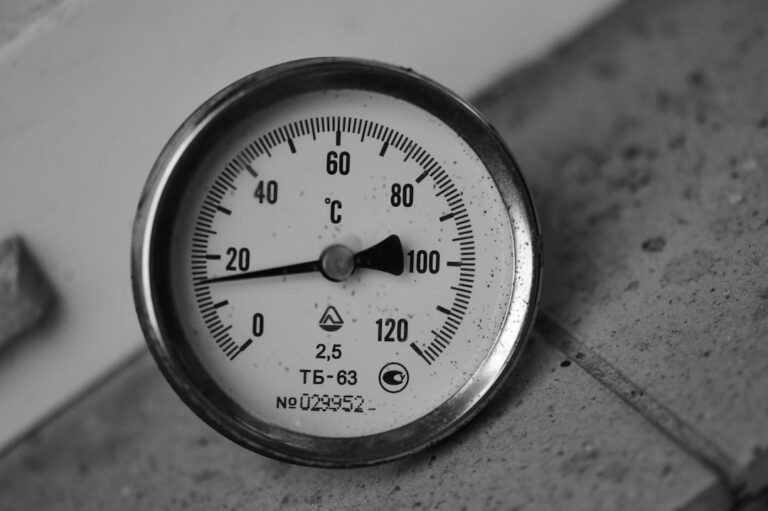
The primary adversary in wine preservation is thermal instability. Consistent temperature is paramount. Every degree of variance initiates a biochemical cascade within the bottle, prematurely aging the wine. Therefore, the construction of the cellar itself, particularly its thermal mass coefficient, is a critical design consideration. Materials with high thermal mass, such as concrete, natural stone, or specialized insulation panels, possess a superior capacity to absorb and release thermal energy slowly. This inherent property dampens external temperature oscillations, creating a consistent internal microclimate. A cellar lacking sufficient thermal mass is akin to a financial portfolio without diversification – exposed and vulnerable to market volatility.
Mitigating Ambient Humidity Imbalance: The Vapor Barrier Imperative
Beyond temperature, relative humidity (RH) plays an equally vital role in preservation. Ideally, a cellar should maintain a consistent RH between 50% and 75%. Deviations from this range have distinct detrimental effects. Below 50%, corks desiccate, losing elasticity and allowing ingress of oxygen, leading to premature oxidation and ‘corked’ characteristics. Above 75%, mold and mildew proliferation become a significant concern, not just on labels and structural elements, but also potentially compromising the cork’s integrity. The implementation of an effective vapor barrier is thus non-negotiable. This impermeable layer, typically high-density polyethylene sheeting or specialized liquid-applied membranes, prevents moisture migration through walls, ceilings, and floors. Without a robust vapor barrier, controlling internal humidity is a Sisyphean task, requiring continuous, energy-intensive intervention from humidification systems.
Precision Climate Control Systems: Orchestrating the Ideal Environment
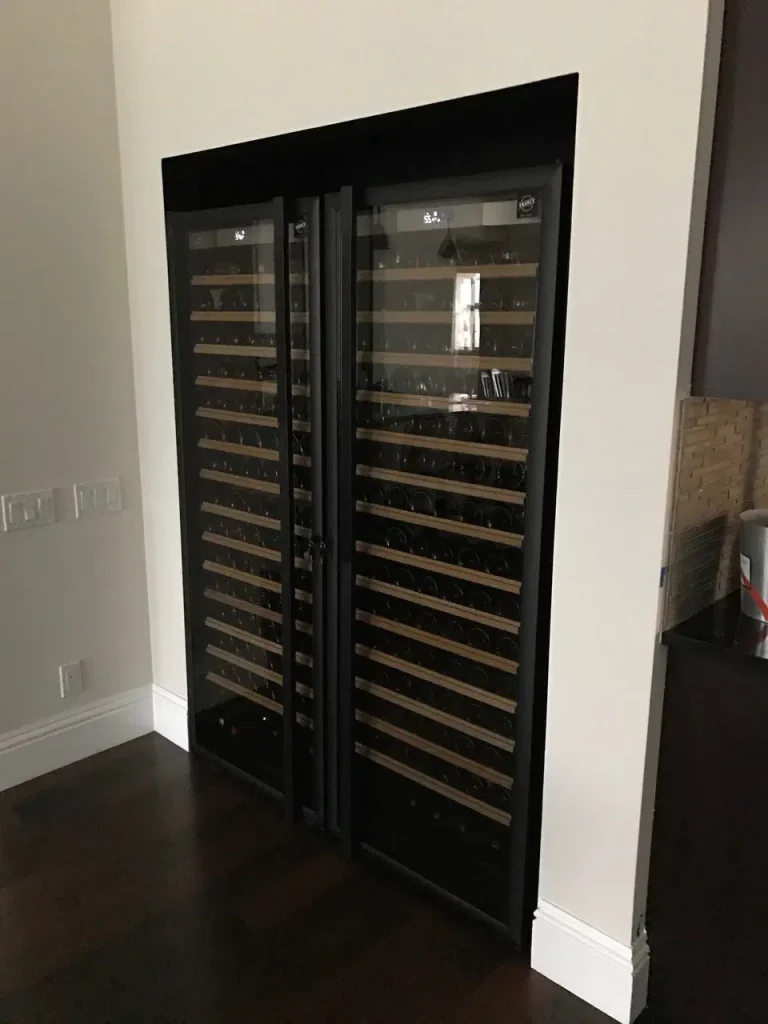
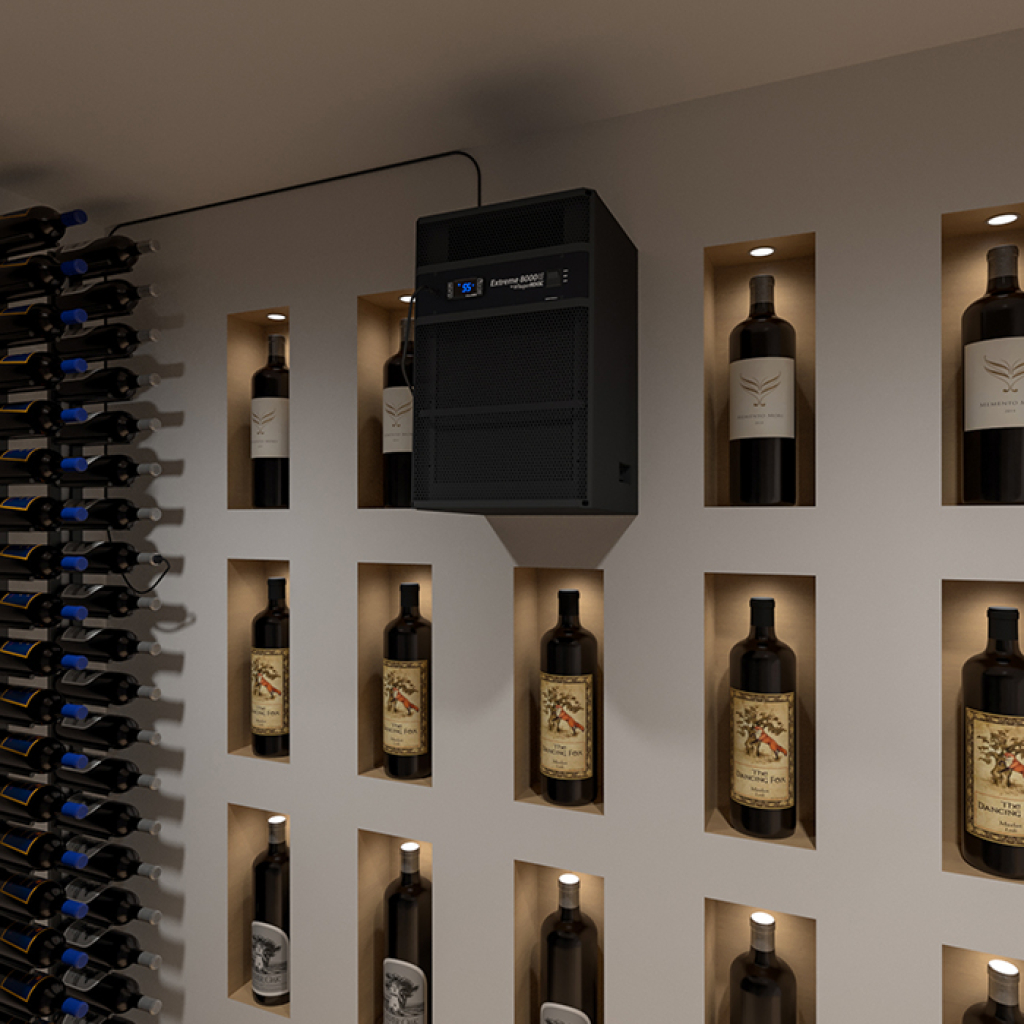
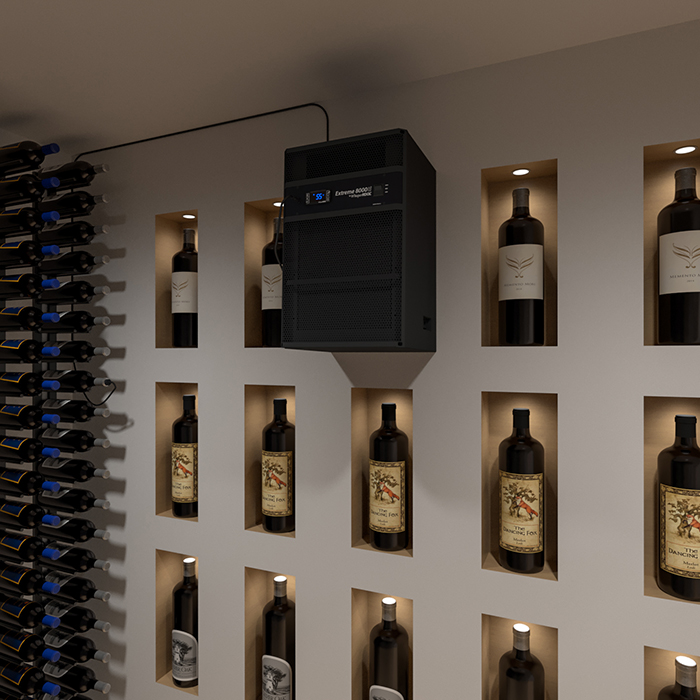
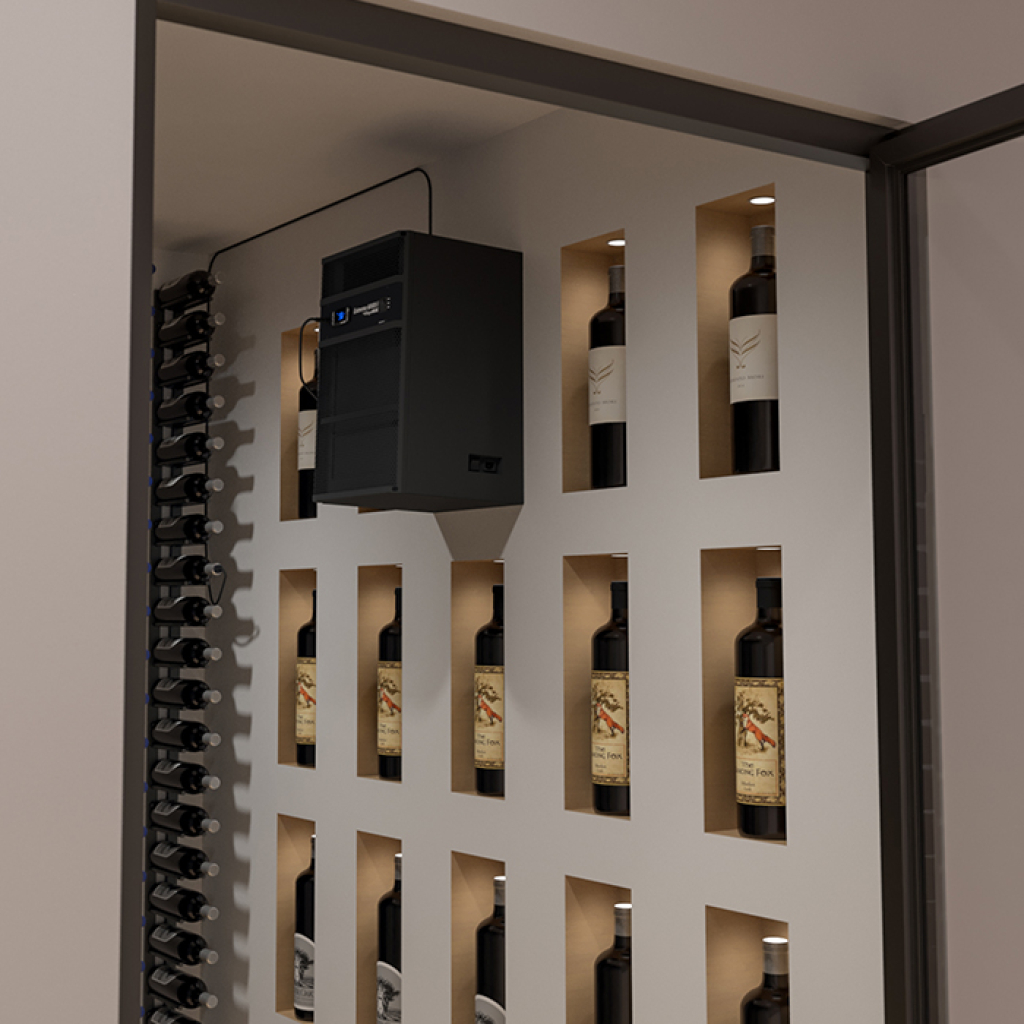
The passive properties of a well-constructed cellar provide the foundational stability, but active climate control systems are the orchestrators, fine-tuning the environment to exact specifications. These are not mere air conditioners; they are sophisticated preservation technologies designed for precise, long-duration operation.
Compressor Technology: The Heart of Stability
The choice of compressor technology is critical for both performance and longevity. Modern cellar cooling units often employ variable-speed inverter compressors. Unlike traditional on/off compressors that cycle frequently and create temperature swings, inverter technology modulates its output to precisely match the cooling demand. This results in superior temperature stability, reduced energy consumption, and significantly lower operational noise. The elimination of jarring on/off cycles also minimizes micro-vibrations, a subtle but insidious threat to wine’s delicate chemistry.
Humidification Techniques: Sustaining Cork Integrity
Maintaining optimal humidity within the exact range of 50-75% RH is crucial for preserving the long-term integrity of cork closures. Active humidification systems, utilizing atomizing or steam-based technologies, introduce precisely measured moisture into the cellar air. These systems are typically integrated with hygrostats for continuous monitoring and adaptive control. Passive humidification, often relying on gravel floors or water trays, while sometimes employed for small, stable rock cellars, is generally insufficient for a modern, climate-controlled environment, especially in regions with low ambient humidity. The constant monitoring and precise adjustment offered by active systems are essential to prevent both cork desiccation and potential mold proliferation.
Air Quality and Filtration: Guardians Against Contamination
Beyond temperature and humidity, the air quality within a cellar is often overlooked but profoundly important. Volatile organic compounds (VOCs) from paints, wood treatments, or even external environmental pollutants can impart undesirable aromas to wine through cork permeation. A quality climate control system incorporates robust air filtration, ideally multi-stage, including activated carbon filters. These filters actively remove airborne particulate matter and chemical contaminants, safeguarding the wine’s organoleptic purity. The environment must be as pristine as the liquid it protects; any compromise in air quality is a direct assault on the wine’s intrinsic sensory profile.
The Imperative of Vibration Mitigation: Protecting Molecular Integrity
Vibration, often dismissed as a minor nuisance, poses a significant, albeit often imperceptible, threat to wine’s long-term evolution. Even subtle, continuous tremors can disrupt the delicate chemical matrices within the bottle, accelerating particulate precipitation and hindering the nuanced development of complex flavors.
Isolation Footing and Rack Design: Dissipating Kinetic Energy
The primary mechanism for mitigating vibration is structural isolation. This begins at the foundation of the cellar itself. Employing anti-vibration
pads or specialized isolation footing material can prevent the transmission of kinetic energy from external sources – traffic, machinery, or even HVAC systems – into the cellar structure. Furthermore, the design of the wine racks themselves plays a crucial role. Solid, stable racking systems, ideally constructed from dense materials such as oak or steel, inherently resist resonance. Floating rack designs or those incorporating vibrational dampening materials, such as rubberized inserts or proprietary polymer compounds, further dissipate any residual kinetic energy before it reaches the bottles. Avoidance of flimsily constructed or unduly flexible shelving is paramount.
Acoustic Separation: A Silent Sanctuary
Beyond structural vibrations, acoustic energy can also transmit through the air and induce subtle resonances within the bottles. Therefore, acoustic insulation, employing materials with high Sound Transmission Class (STC) ratings, is critical for achieving a truly stable environment. This not only dampens external noise but also contributes to the overall stability of the cellar’s internal conditions. A cellar should be a quiet sanctuary, not just metaphorically, but scientifically – a space where the intrinsic quietude allows the wine to mature unmolested. This comprehensive approach to vibration mitigation ensures that the wine’s molecular structure remains undisturbed, preserving its potential for graceful evolution.
Lighting Considerations: Safeguarding Against Photo-Oxidation
Light, particularly ultraviolet (UV) radiation, is another primary antagonist in wine preservation. While often visually appealing in a display context, direct or unfiltered light exposure can inflict irreparable damage through photo-oxidation.
UV Filtration and LED Technology: The Invisible Shield
UV radiation catalyzes specific chemical reactions within wine, leading to “light strike,” a phenomenon characterized by cooked cabbage or wet wool aromas. This is due to the degradation of amino acids and the formation of sulfur compounds. Therefore, all lighting within a wine cellar must incorporate robust UV filtration. Furthermore, the choice of illumination technology is crucial. Incandescent bulbs, while offering a warm aesthetic, emit significant heat, contributing to thermal load. Halogen lamps are even worse due to their intense heat and broadband spectrum. The superior option is dimmable LED lighting. Modern LEDs produce minimal heat, offer excellent color rendering (often in the warm 2700K to 3000K range to complement the cellar’s aesthetic), and can be engineered to emit virtually no UV or infrared (IR) radiation. Their directional nature also allows for precise illumination of bottles or labels without overexposing the entire cellar.
Strategic Illumination and Dimmer Controls: Art and Science of Display
The precise placement of light fixtures and the implementation of dimmer controls are not merely aesthetic choices; they are integral to preservation. Lighting should be strategic, highlighting particular bottles or sections without bathing the entire cellar in unnecessary radiance. Dimmers allow for the adjustment of light intensity, ensuring that bottles are only illuminated to the degree required for viewing, and can be dimmed or turned off entirely when the cellar is not in use. This conservative approach to illumination minimizes photon exposure and contributes to the overall stability of the internal microclimate. The goal is to facilitate appreciation of the collection without compromising its integrity.
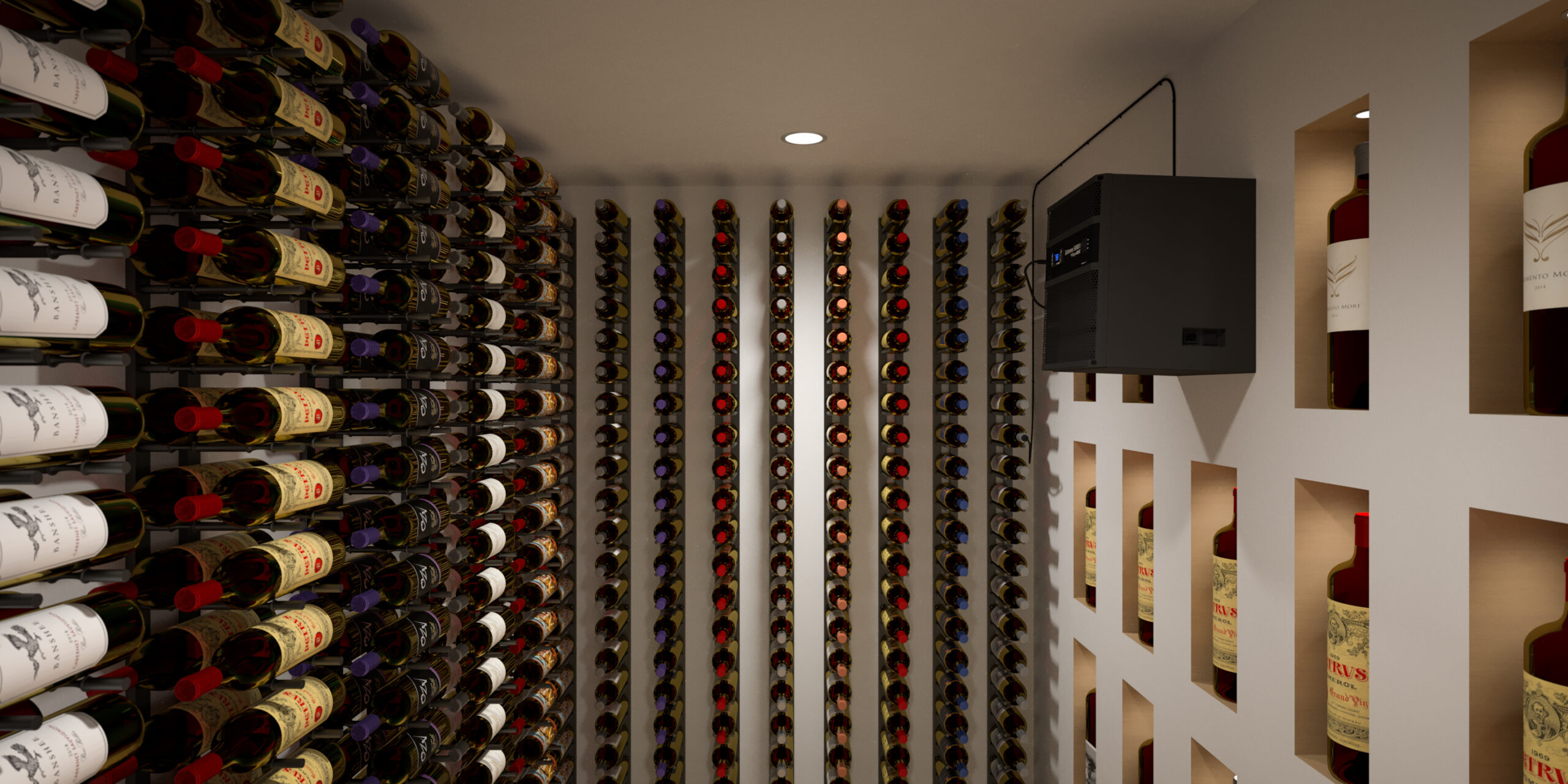
Architectural Integration and Aesthetic Optimization: Beyond Functionality
A home wine cellar, particularly for a luxury heritage brand discerning clientele, is more than a functional storage solution; it is an architectural focal point, a testament to sophistication and an integral component of the home’s aesthetic narrative. The integration of preservation technology with bespoke design is paramount.
Material Selection and Finishes: Elevating the Repository
The choice of materials profoundly impacts both the long-term performance and the visual impact of the cellar. Beyond their thermal mass properties, materials such as custom-milled hardwoods (e.g., solid rift-sawn white oak, mahogany), natural stone (e.g., limestone, slate), and high-grade tempered glass enhance the sense of luxury and permanence. Finishes must be non-toxic and low-VOC to prevent off-gassing that could taint the wine. Lacquers and sealants should be specifically chosen for cellar environments, ensuring they do not contribute to internal air contamination. The tactile and visual experience of the cellar should be harmonious with the intrinsic value of its contents.
Custom Racking and Display Solutions: Sculpting the Collection
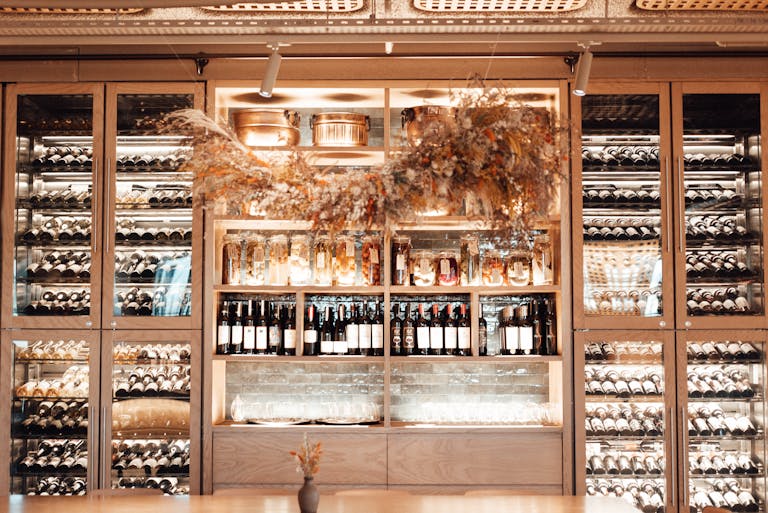
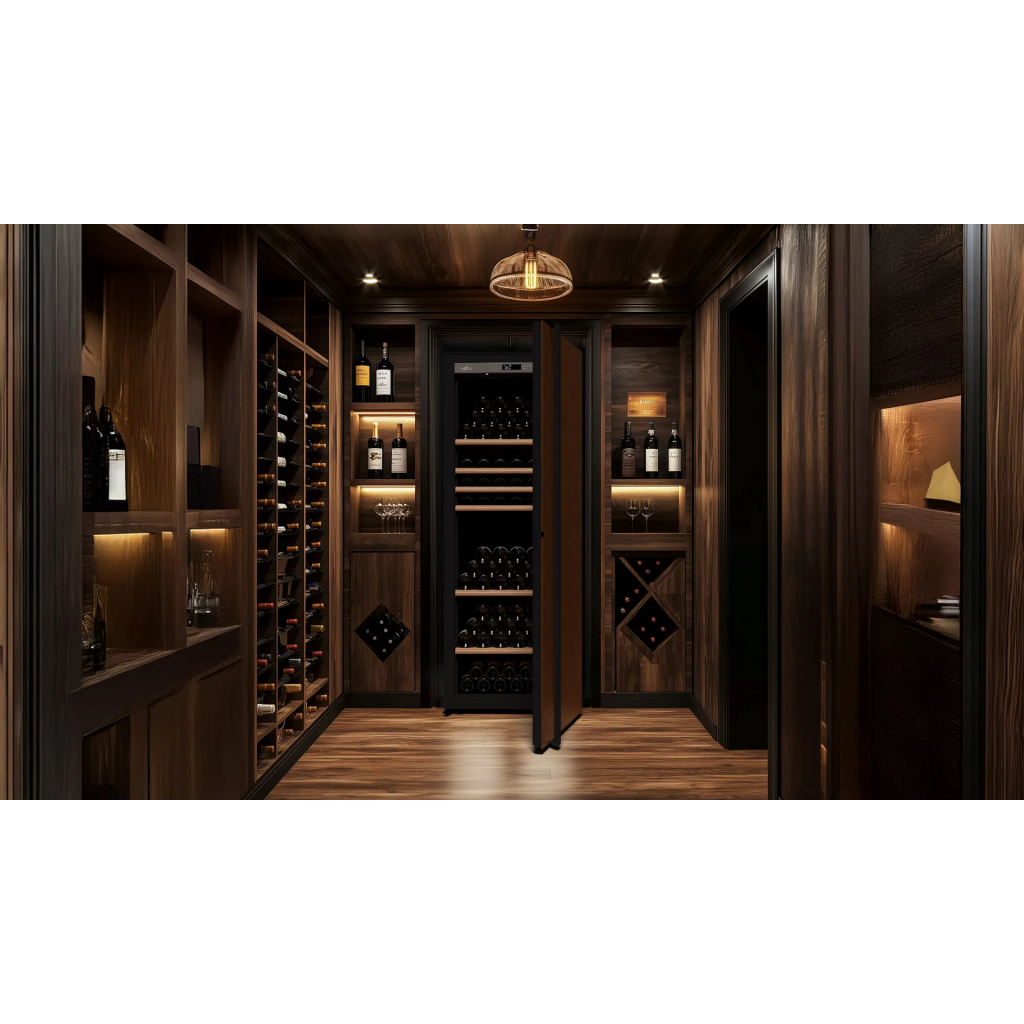
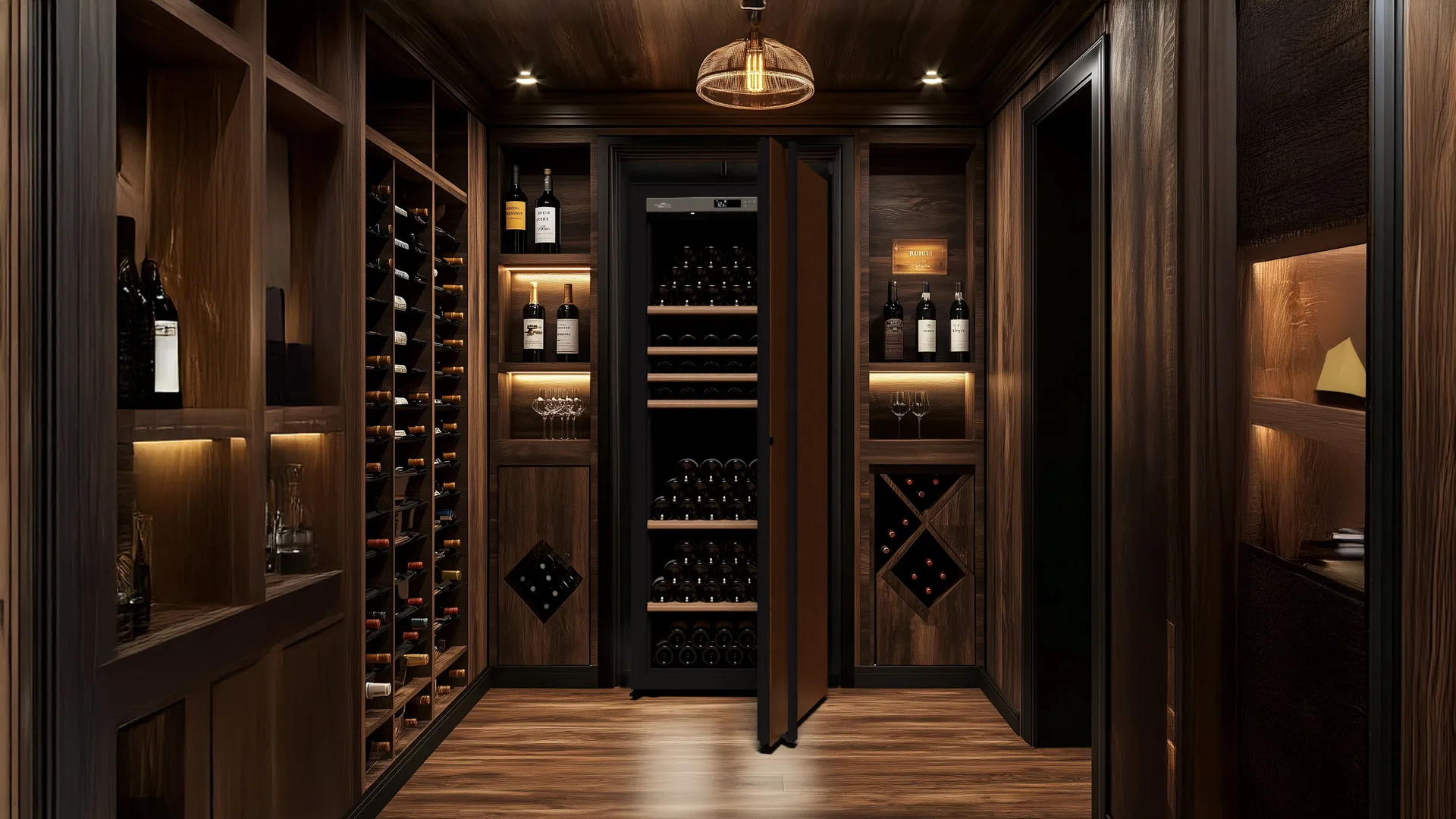
Racking systems are not merely organizational; they are sculptural elements. Custom-designed racking, ranging from individual bottle pigeonholes to magnum presentation shelves and case storage, can be tailored to the specific dimensions and evolving needs of a collection. Consideration should be given to both efficient storage density and aesthetically pleasing display. Backlit panels for individual bottles, label-forward presentation, and climate-controlled display cases within the cellar can transform a utilitarian space into an exhibition. These bespoke solutions allow the collector to curate and showcase their liquid assets in a manner that reflects their personal aesthetic and the intrinsic value of each vintage.
Security Integration: Protecting Tangible and Intangible Value
The security of a high-value wine collection is non-negotiable. This extends beyond simple locks. Integrated security systems should include robust, access-controlled entry points, environmental monitoring with real-time alerts for deviations in temperature or humidity, and potentially even sophisticated motion sensor and camera systems. These measures protect not only the financial investment but also the irreplaceable heritage and passion embodied in the collection. A comprehensive security protocol provides peace of mind, allowing the collector to focus on the enjoyment and appreciation of their preserved liquid assets.
Conclusion: The Strategic Investment in Preservation Technology
The modern wine collector, viewing their collection as a portfolio of liquid assets, understands that optimal preservation is not an extravagance but a strategic imperative. The principles outlined—controlled thermal mass, precise humidity via vapor barriers, sophisticated climate control, meticulous vibration mitigation, UV-filtered lighting, and architectural integration—are not optional enhancements. They are fundamental pillars supporting the long-term appreciation, organoleptic integrity, and intrinsic value of fine wine. A cellar built to these specifications provides an environment where wines do not merely survive but thrive, reaching their full expressive potential over decades. It is an investment in time, taste, and the enduring legacy of a passion.
We invite you to consult with our specialists at the Walnut Creek showroom. Experience firsthand the integration of cutting-edge preservation technology with bespoke design. Our experts are available to discuss tailored solutions for your unique collection and architectural requirements, ensuring your liquid assets are secured for generations to come. This is not about selling you a product; it is about providing the strategic guidance necessary to protect and enhance your investment.
FAQs
What is the expected ROI for a home wine cellar in 2026?
The expected return on investment (ROI) for a home wine cellar in 2026 varies depending on factors such as location, size, and quality of construction. Generally, a well-designed and properly maintained wine cellar can add 5% to 10% to the value of a home.
How does a home wine cellar increase property value?
A home wine cellar increases property value by enhancing the luxury appeal and functionality of a home. It serves as a unique feature that attracts wine enthusiasts and buyers looking for upscale amenities, thereby potentially increasing resale value.
What are the key factors that influence the ROI of a home wine cellar?
Key factors influencing ROI include the cost of installation, quality of materials, climate control efficiency, size and capacity, and the overall design integration with the home. Location and market demand for luxury home features also play significant roles.
Is investing in a home wine cellar cost-effective compared to other home improvements?
Investing in a home wine cellar can be cost-effective if the homeowner is a wine enthusiast or if the property is in a market where luxury amenities are highly valued. However, it may not yield as high an ROI as more common renovations like kitchen or bathroom upgrades.
What maintenance costs should be considered when calculating the ROI of a home wine cellar?
Maintenance costs include electricity for climate control, regular cleaning, humidity monitoring, and potential repairs to cooling units. These ongoing expenses should be factored into the overall ROI calculation to get an accurate financial picture.