Ideal humidity settings during Bay Area wildfire season
Humidity plays a crucial role in determining the likelihood and intensity of wildfires. When humidity levels are low, vegetation becomes dry and more susceptible to ignition. This is particularly concerning in regions that experience prolonged dry spells, as the moisture content in plants decreases significantly.
As a result, the potential for wildfires increases, creating a hazardous environment for both natural ecosystems and human settlements. Conversely, higher humidity levels can help mitigate this risk by keeping vegetation moist and less flammable. Understanding this relationship is essential for communities prone to wildfires, as it can inform both prevention strategies and emergency response plans.
Moreover, the interplay between humidity and temperature further complicates the wildfire risk landscape. High temperatures combined with low humidity create an environment ripe for fire spread, as the heat can quickly evaporate moisture from plants and soil. This phenomenon is often exacerbated by wind, which can carry embers and flames over long distances, igniting new fires in previously unaffected areas.
Therefore, monitoring humidity levels is not just a matter of comfort; it is a critical component of wildfire risk assessment and management.



Key Takeaways
- Humidity can impact wildfire risk by affecting the dryness of vegetation and the ease of ignition
- Recommended indoor humidity levels are between 30-50% to maintain comfort and health
- Monitoring and adjusting humidity levels in your home can be done with the use of hygrometers and humidifiers or dehumidifiers
- Proper ventilation is crucial during wildfire season to prevent indoor air from becoming too dry or smoky
- Different areas of the home may require different humidity levels, such as higher levels in bedrooms and lower levels in basements
- Sensitive electronics and artwork should be protected from low humidity with the use of humidifiers or climate-controlled storage
- Humidity plays a role in wildfire prevention and containment by influencing fuel moisture and fire behavior
- Staying informed about local humidity levels during wildfire season can be done through local weather forecasts and online resources
Recommended humidity levels for indoor environments
Maintaining appropriate humidity levels indoors is vital for both comfort and health. The ideal indoor humidity range is typically between 30% and 50%. Within this range, individuals are less likely to experience discomfort from dry air, such as dry skin or respiratory issues.
Additionally, proper humidity levels can help prevent the growth of mold and mildew, which thrive in overly humid conditions. Striking a balance is essential; too much humidity can lead to structural damage and health problems, while too little can create an environment conducive to discomfort and illness. In the context of wildfire season, maintaining indoor humidity within this recommended range becomes even more critical.
During periods of high wildfire risk, outdoor air quality may deteriorate due to smoke and particulate matter. Keeping indoor air at optimal humidity levels can help mitigate some of the adverse effects of poor air quality. It can also provide a more comfortable living environment, especially for those with respiratory conditions who may be particularly sensitive to changes in air quality.
How to monitor and adjust humidity levels in your home
Monitoring humidity levels in your home can be easily achieved with the use of hygrometers, devices specifically designed to measure moisture in the air. These instruments come in various forms, from simple analog models to more advanced digital versions that can provide real-time data and alerts. Placing hygrometers in key areas of your home, such as living rooms, bedrooms, and basements, allows you to keep track of humidity fluctuations throughout the day.
Regularly checking these readings will enable you to make informed decisions about how to adjust your indoor environment. Adjusting humidity levels can be accomplished through several methods. If the air is too dry, using a humidifier can introduce moisture back into the atmosphere.
There are various types of humidifiers available, including cool mist and warm mist models, each with its own benefits. On the other hand, if humidity levels are too high, dehumidifiers can help remove excess moisture from the air. Additionally, simple practices such as ensuring proper ventilation when cooking or showering can also aid in maintaining balanced humidity levels.
The importance of proper ventilation during wildfire season
Proper ventilation is essential during wildfire season for several reasons. First and foremost, it helps maintain indoor air quality by allowing fresh air to circulate while expelling stale or contaminated air. This is particularly important when outdoor air quality is compromised due to smoke from nearby wildfires.
By ensuring that your home is well-ventilated, you can reduce the concentration of harmful particles indoors and create a healthier living environment. Furthermore, adequate ventilation plays a significant role in regulating indoor humidity levels. During wildfire season, it is common for homes to become sealed off to prevent smoke infiltration.
While this may seem like a protective measure, it can lead to increased humidity levels if not managed properly. Stagnant air can trap moisture, leading to discomfort and potential mold growth. Therefore, finding a balance between sealing off your home from outdoor pollutants while still allowing for adequate airflow is crucial during this time.
Tips for maintaining ideal humidity levels in different areas of your home
Different areas of your home may require tailored approaches to maintain ideal humidity levels. In living spaces such as the living room or bedroom, using a combination of humidifiers and dehumidifiers can help achieve the desired balance. For instance, during winter months when heating systems tend to dry out the air, a humidifier can be beneficial.
Conversely, in areas prone to moisture accumulation like bathrooms or basements, dehumidifiers can help prevent excess humidity that could lead to mold growth. Kitchens also present unique challenges when it comes to humidity control. Cooking generates steam and moisture, which can elevate indoor humidity levels.
Utilizing exhaust fans while cooking can help expel excess moisture and maintain a comfortable environment. Additionally, keeping windows slightly open when weather permits can facilitate airflow and further regulate humidity levels throughout your home.

How to protect sensitive electronics and artwork from low humidity
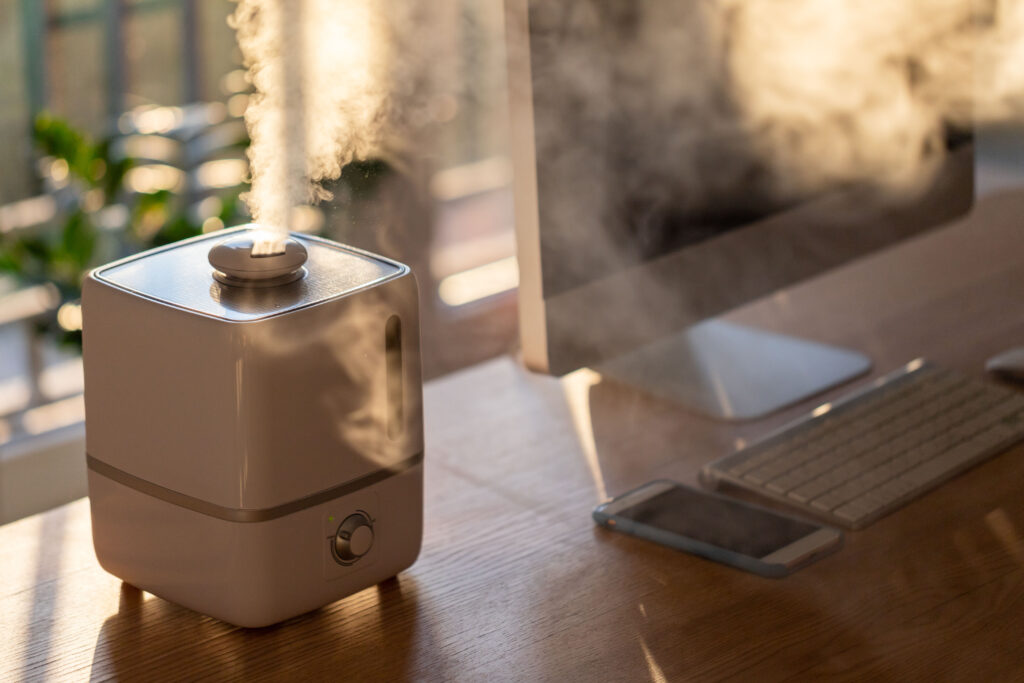
Low humidity can pose significant risks to sensitive electronics and valuable artwork. For electronics, dry air can lead to static electricity buildup, which may damage components or disrupt functionality. To protect these devices, consider using anti-static mats or grounding straps when working on electronics.
Additionally, maintaining optimal indoor humidity levels through humidifiers can help reduce the risk of static-related issues. Artwork is equally vulnerable to fluctuations in humidity. Paintings, photographs, and other forms of art can suffer from warping or cracking if exposed to excessively dry conditions.
To safeguard these items, consider displaying them in climate-controlled environments where temperature and humidity are monitored closely. Using glass or acrylic frames can also provide an additional layer of protection against environmental factors that could compromise their integrity.
The role of humidity in wildfire prevention and containment
Humidity plays a pivotal role not only in wildfire risk but also in prevention and containment efforts. Firefighters often rely on weather conditions, including humidity levels, when planning their strategies for combating wildfires. Higher humidity can slow down fire spread by keeping vegetation moist and less flammable.
This understanding allows firefighting teams to prioritize their efforts based on current weather conditions. Moreover, communities can implement proactive measures based on humidity forecasts during wildfire season. For instance, local authorities may issue burn bans or restrictions on outdoor activities when low humidity levels are predicted alongside high temperatures.
By staying informed about these conditions and taking appropriate actions, communities can work together to minimize the risk of wildfires and protect both lives and property.
Resources for staying informed about local humidity levels during wildfire season
Staying informed about local humidity levels during wildfire season is essential for effective preparedness and response strategies. Various resources are available to help individuals monitor these conditions accurately. Local weather stations often provide real-time updates on humidity levels alongside temperature forecasts.
Many online platforms also offer detailed weather reports that include humidity data specific to your area. Additionally, mobile applications designed for weather tracking can send alerts regarding changes in local conditions, including fluctuations in humidity that may impact wildfire risk. Engaging with community resources such as local fire departments or emergency management agencies can also provide valuable information about current wildfire risks and recommended safety measures based on local weather patterns.
In conclusion, understanding the impact of humidity on wildfire risk is vital for both individual safety and community preparedness. By maintaining recommended indoor humidity levels and ensuring proper ventilation during wildfire season, individuals can create healthier living environments while minimizing risks associated with wildfires. Monitoring and adjusting humidity levels through various methods will further enhance comfort and protect sensitive items within the home.
Ultimately, staying informed about local conditions will empower individuals to take proactive measures against potential wildfire threats while fostering a safer community overall.
FAQs
What is the ideal humidity setting during Bay Area wildfire season?
During Bay Area wildfire season, the ideal indoor humidity setting is between 30-50%. This range helps to maintain a comfortable and healthy indoor environment while also minimizing the risk of wildfire-related damage.
Why is it important to maintain the ideal humidity setting during wildfire season?
Maintaining the ideal humidity setting during wildfire season is important for several reasons. Firstly, it helps to reduce the risk of mold growth, which can be exacerbated by smoke and ash from wildfires. Additionally, it can help protect wooden furniture and flooring from drying out and cracking due to the dry conditions.
How can I monitor and control indoor humidity levels during wildfire season?
You can monitor indoor humidity levels using a hygrometer, which is a device that measures humidity. To control indoor humidity levels, you can use a dehumidifier to lower humidity if it’s too high, or a humidifier to increase humidity if it’s too low.
Are there any health benefits to maintaining the ideal humidity setting during wildfire season?
Yes, maintaining the ideal humidity setting during wildfire season can have health benefits. Proper humidity levels can help reduce respiratory irritation and improve overall indoor air quality, which is especially important during wildfire season when air quality may be compromised by smoke and ash.
What are the potential risks of not maintaining the ideal humidity setting during wildfire season?
Not maintaining the ideal humidity setting during wildfire season can lead to an increased risk of mold growth, which can exacerbate respiratory issues and cause damage to your home. Additionally, excessively dry conditions can lead to discomfort and potential damage to wooden furniture and flooring.