The Architecture of Preservation: All-Heart Redwood and the Science of Viticulture Stewardship
Optimal Cellar Design: Beyond Aesthetic Appeal
The custodianship of fine wine, a liquid asset whose value appreciates both monetarily and organoleptically, demands a rigorous approach to its storage architecture. The conventional approach often prioritizes superficial grandeur over scientific principles. However, a discerning collector understands that the physical environment directly dictates the trajectory of a wine’s evolution. This article delineates the technical imperatives behind custom all-heart redwood racking systems, positioning them not merely as storage solutions, but as integral components of a holistic preservation strategy.
The Thermal Equilibrium Conundrum
The genesis of premature wine degradation frequently lies in uncontrolled thermal fluctuations. Wine, by its very nature, is a delicate colloidal dispersion, exquisitely sensitive to temperature shifts. Even minor oscillations can instigate irreversible chemical reactions, accelerating esterification and oxidation, thereby compromising the wine’s intrinsic organoleptic integrity.
The Thermal Mass Coefficient of All-Heart Redwood
All-heart redwood, specifically the Sequoia sempervirens varietal, possesses a unique cellular structure that confers a superior thermal mass coefficient compared to conventional hardwoods or metallic alternatives. Its dense, yet porous, composition acts as a natural insulator, mitigating the rate of heat transfer from the external environment. This inherent property functions analogous to a passive thermal battery, absorbing ambient thermal energy during periods of relative warmth and slowly re-emitting it during cooler cycles. This phenomenon effectively dampens the amplitude of temperature fluctuations within the cellar, creating a more stable microclimate around the stored bottles. The result is a reduced thermal shock profile for the wine, a critical factor in preserving delicate aromatics and structural tannins.
Moisture Regulation: A Natural Vapor Barrier
The hygroscopic nature of redwood further contributes to maintaining cellar equilibrium. Unlike synthetic materials, redwood possesses a natural affinity for moisture. It absorbs and releases atmospheric humidity at a controlled rate, acting as a passive humidifier and dehumidifier. This intrinsic characteristic helps to stabilize the relative humidity within the cellar, typically aiming for a range between 55% and 75%. Such a range is paramount to preventing cork desiccation, which can lead to oxygen ingress and subsequent oxidative spoilage. Conversely, excessive humidity can encourage mold growth and label degradation, detracting from the aesthetic and inherent value of the bottle. Redwood’s cellular architecture effectively creates a benevolent micro-environment, a natural vapor barrier that safeguards against these deleterious effects.
Vibration Attenuation: Protecting the Sediment Matrix
Vibration, often an overlooked adversary in cellar design, poses a significant threat to the long-term stability of fine wines. Mechanical vibrations, whether from HVAC systems, foot traffic, or external environmental factors, can disrupt the delicate sediment matrix that forms in aged wines. This disturbance compromises clarity, impacts mouthfeel, and, in extreme cases, can accelerate chemical reactions by increasing surface area contact between the wine and dissolved solids.
The Damping Modulus of Redwood
All-heart redwood exhibits a high damping modulus, a material property that quantifies its ability to dissipate vibrational energy. Its cellular structure is comprised of lignin and cellulose fibers arranged in a complex network, imparting a natural resilience against external forces. When a vibrational wave impacts a redwood structure, a significant portion of that energy is absorbed and converted into minute amounts of heat, rather than being transmitted through the material and into the wine bottles. This inherent vibrational attenuation capability positions redwood as an ideal substrate for wine racking. Compared to rigid materials like steel or concrete, which act as resonant conduits for vibrations, redwood functions as a buffer, safeguarding the integrity of the wine’s delicate molecular structure. The precise engineering of interlocking joinery within custom redwood racks further enhances this damping effect, creating a cohesive, vibration-resistant framework.
Architectural Integration and Aesthetic Enhancement
While the primary function of wine racks is preservation, their role in defining the aesthetic and functional appeal of a wine cellar cannot be understated. Custom all-heart redwood racks transcend mere utility, becoming an architectural focal point that marries engineering precision with timeless elegance.
Bespoke Design for Optimized Spatial Utilization
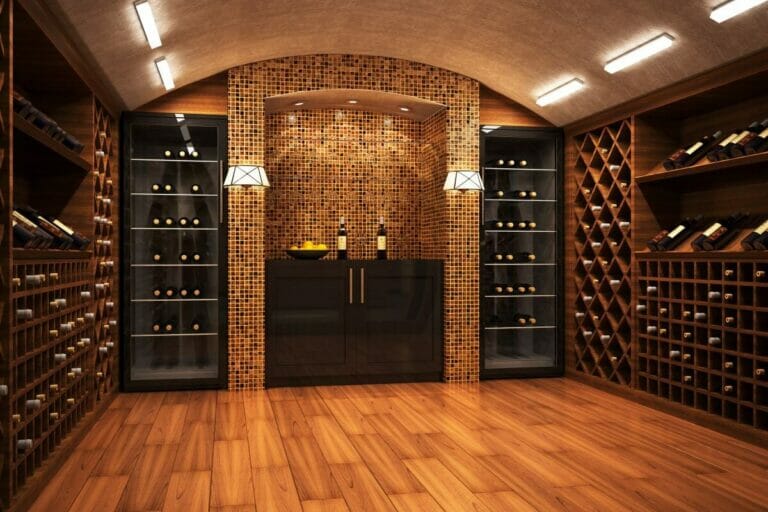
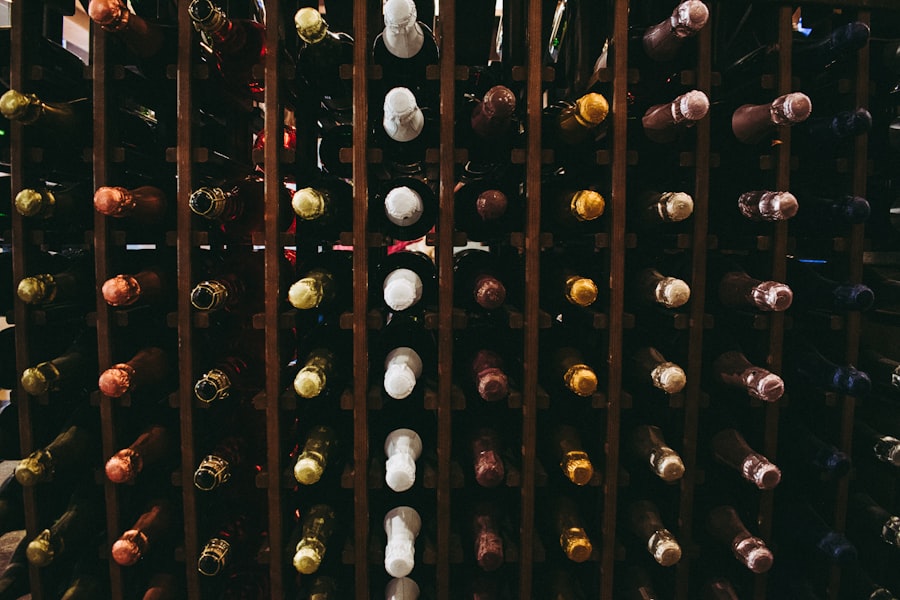
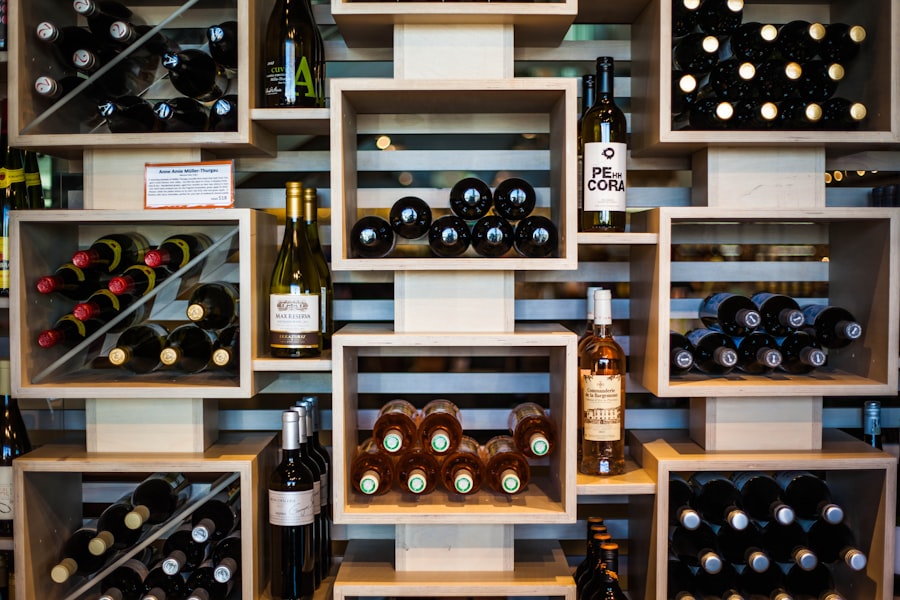
The modularity and workability of redwood allow for bespoke designs that maximize the spatial utilization of any cellar geometry, regardless of its inherent constraints. Traditional diamond bins, individual bottle cradles, high-capacity bulk storage, and even display shelving can be seamlessly integrated. This customizability ensures that every square foot of the cellar is optimized for storage density without compromising accessibility or the individual bottle’s security. The result is not merely storage, but an intelligently designed repository that reflects the collector’s specific needs and the unique characteristics of their collection.
The Patina of Age: A Visual Chronicle
The natural color palette of all-heart redwood, ranging from a rich salmon pink to a deep reddish-brown, deepens and acquires a unique patina over time. This transformative aesthetic quality creates a visual chronicle of the cellar’s longevity and the wine’s aging process, enhancing its intrinsic beauty. Unlike synthetic materials that degrade over time, redwood gains character, developing a visual warmth and richness that complements the artisanal nature of fine wine. The absence of sapwood, a defining characteristic of all-heart redwood, ensures a consistent color and enhanced resistance to decay, further contributing to its long-term aesthetic and structural integrity.
Longevity and Sustainability: A Prudent Investment
The investment in custom all-heart redwood racking is a strategic decision rooted in both longevity and environmental stewardship. Its inherent durability and resistance to biological depredation ensure a preservation infrastructure that will endure for generations.
Resistance to Pests and Decay
The heartwood of Sequoia sempervirens contains naturally occurring tannins and other inhibitory compounds, rendering it highly resistant to insect infestation and fungal decay. Unlike other wood species that require chemical treatments to achieve similar resilience, redwood’s natural defenses make it an ecologically sound choice for a long-term storage environment. This intrinsic resistance ensures the structural integrity of the racking system for decades, eliminating the need for costly replacements or invasive pest control measures that could potentially compromise the cellar environment.
Sustainable Sourcing and Legacy Value
Our all-heart redwood is sourced exclusively from sustainably managed forests, ensuring that the acquisition of this premium material aligns with principles of environmental responsibility. The slow growth and remarkable lifespan of redwood trees contribute to its unparalleled density and durability, making it an inherently sustainable resource when managed correctly. Investing in custom redwood racks is not merely an acquisition; it is an endorsement of enduring quality and a demonstrable commitment to preserving a legacy – both of the wine and of the environment from which the materials are drawn. This combination of structural integrity, aesthetic appeal, and ecological prudence establishes a benchmark for discerning collectors.
The Invitation to Experiential Consultation
The technical specifications and advantages of custom all-heart redwood racking, while comprehensively detailed, gain profound clarity through direct interaction. To fully appreciate the meticulous craftsmanship, the subtle ergonomic advantages, and the sheer architectural presence of these preservation technologies, we extend an invitation.
We invite you to our Walnut Creek showroom. Here, you will experience the tangible difference that a scientifically engineered and aesthetically refined racking system can make in the long-term stewardship of your liquid assets. Our expert strategists are available to conduct a personalized consultation, translating these technical principles into a bespoke cellar solution tailored specifically to your collection’s unique requirements and your overarching preservation objectives. This is not merely an opportunity to browse; it is an invitation to engage in a strategic assessment of your cellar’s future.
FAQs
What are Custom All-Heart Redwood Racks?
Custom All-Heart Redwood Racks are storage or display racks made from all-heart redwood, which is the dense, inner portion of the redwood tree known for its durability, rich color, and resistance to decay.
What are the benefits of using all-heart redwood for racks?
All-heart redwood is highly durable, naturally resistant to insects and rot, has a beautiful reddish hue, and offers excellent structural strength, making it ideal for long-lasting custom racks.
Can Custom All-Heart Redwood Racks be made to specific sizes and designs?
Yes, these racks are custom-made, allowing for tailored dimensions, styles, and features to meet individual storage or display needs.
Are Custom All-Heart Redwood Racks suitable for outdoor use?
Yes, due to the natural resistance of all-heart redwood to moisture and decay, these racks are well-suited for outdoor environments.
How should Custom All-Heart Redwood Racks be maintained?
Maintenance typically involves periodic cleaning and applying a protective finish or sealant to preserve the wood’s appearance and extend its lifespan, especially if used outdoors.