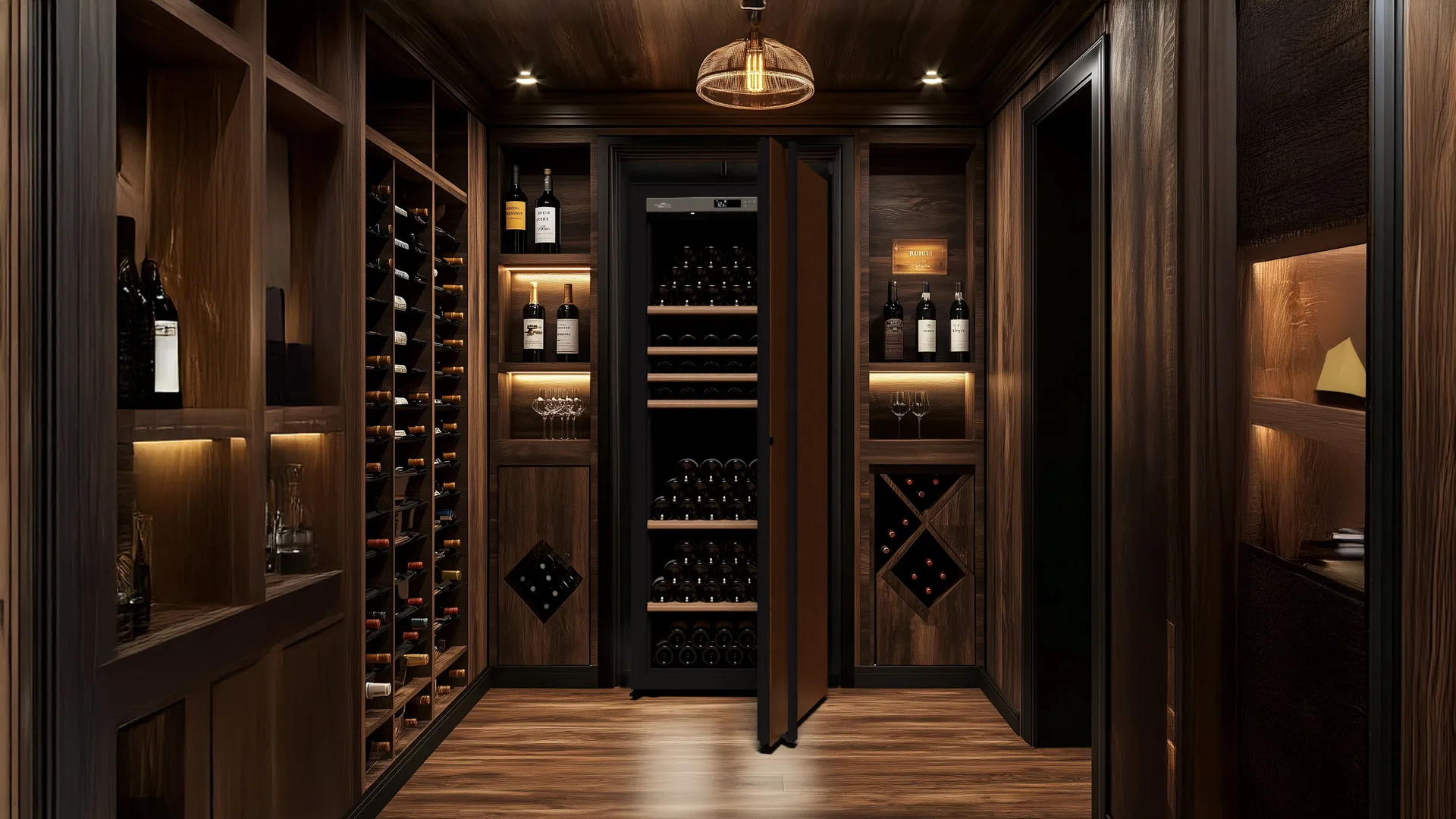
Future-Proofing the Pour: Scaling Your Infrastructure for a Lifetime of Acquisitions
The optimal preservation of fine wine, a liquid asset of considerable value and organoleptic complexity, hinges critically upon the precise management of its storage environment. Failure to uphold exacting psychrometric standards can result in irreversible degradation, jeopardizing both the intrinsic quality and the financial appreciation of your collection. This exposition will delve into the technical imperatives governing ideal wine storage, offering prescriptive guidance for the informed collector and outlining the consequences of environmental negligence.
The fundamental enemy of wine longevity is thermal kinetic energy, colloquially known as heat. Unlike inert objects, wine is a dynamic, living entity, undergoing subtle chemical transformations even in repose. Elevated temperatures accelerate these reactions, leading to premature aging and the development of undesirable characteristics.


Minimizing Thermal Fluctuation: The Equilibrium State
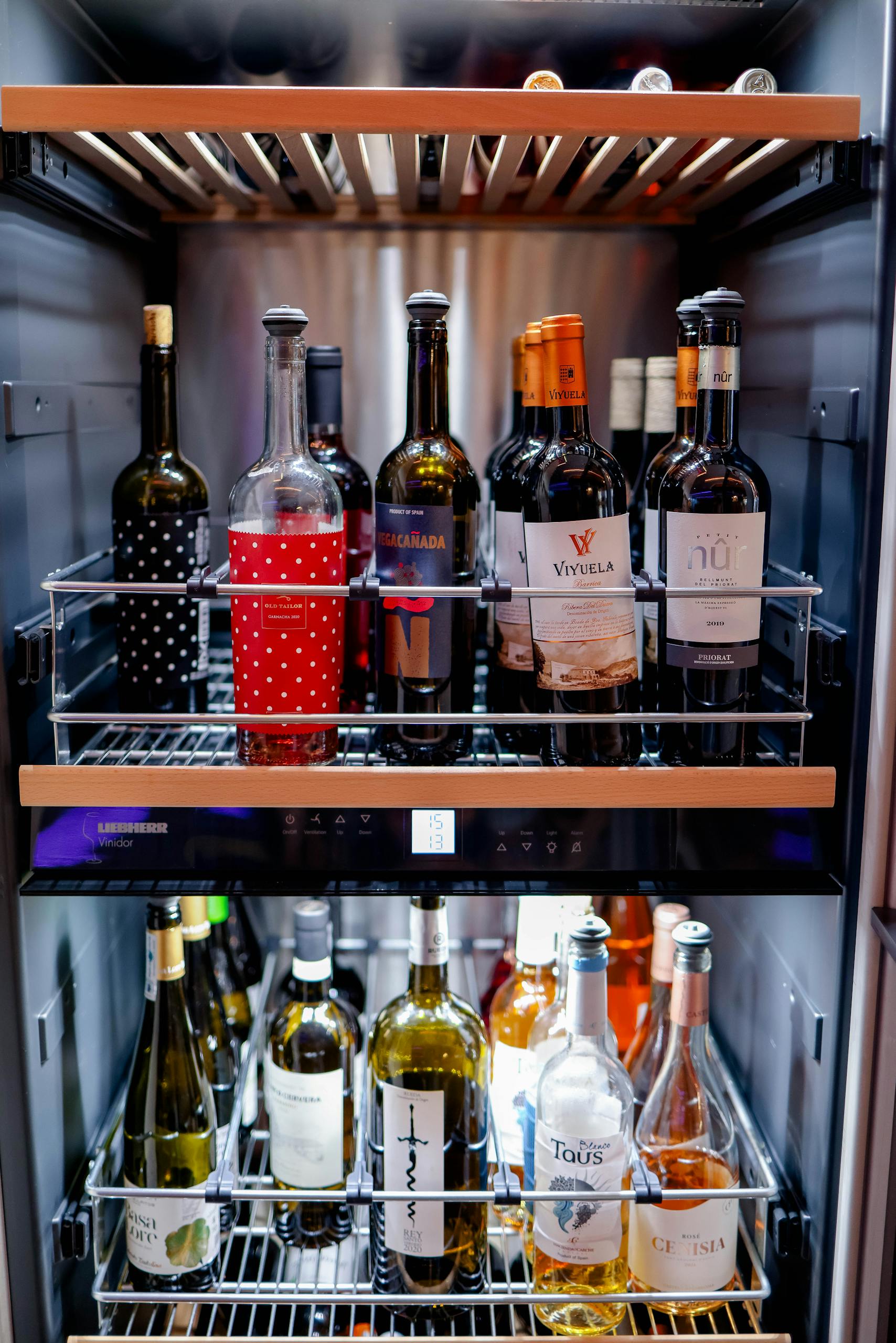
Consistent temperature is paramount. Wine does not tolerate volatility. Even minor, diurnal fluctuations exert considerable stress on the wine within the bottle. These temperature swings, particularly when rapid, cause the liquid inside to expand and contract. This rhythmic volumetric change is transmitted to the cork, acting as a minute, cyclical pump. Over time, this “cork breathing” can compromise the seal, admitting oxygen and initiating oxidative spoilage. The ideal temperature range for long-term cellaring is generally acknowledged to be between 12°C and 14°C (54°F and 57°F). Deviation from this narrow band initiates a cascade of detrimental enzymatic activities.
The Thermal Gradient Imperative: Homogeneity Within the Cellar Envelope
Achieving a uniform temperature distribution throughout the cellar environment is as critical as maintaining a stable average. Stratification, where warmer air rises and cooler air sinks, can result in varied aging rates across your collection. Engineered climate control systems employing forced-air circulation, strategically positioned diffusers, and an appropriate thermal mass within the cellar’s construction are essential to mitigate these gradients. The entire volume of air within the cellar must be homogenous in temperature to ensure consistent preservation standards across all bottles. Concrete, stone, and other dense building materials provide significant thermal mass, acting as a buffer against external temperature shifts and contributing to this internal stability.
The Invisible Threat: Humidity and Its Bimodal Detriment
While often overlooked, the psychrometric variable of relative humidity plays a pivotal role in cork integrity and label preservation. Its impact is bimodal: both excessively dry and excessively moist conditions present significant threats.
The Desiccation Hazard: Cork Failure and Oxidative Spoilage
Inadequate ambient humidity, typically below 50% Relative Humidity (RH), leads to the gradual desiccation of the cork. As the cork loses its inherent moisture, it contracts, becoming brittle and losing its elasticity. This contraction compromises the hermetic seal, allowing a minute, but constant, ingress of oxygen into the bottle. Oxygen, while essential in controlled amounts during specific vinification phases, is the primary accelerant of oxidative spoilage in a sealed bottle. The delicate aromatic compounds, the very essence of the wine’s organoleptic integrity, are progressively diminished, culminating in a flattened, sherry-like character. Think of a desiccated cork as a failing vapor barrier for your precious liquid asset.
The Proliferation Problem: Mold and Label Degradation
Conversely, excessive humidity, persistently above 80% RH, fosters an environment conducive to the proliferation of mold and mildew. While generally not harmful to the wine itself, these fungal growths can severely compromise the aesthetic and market value of the bottles. Labels, often an integral part of a wine’s provenance and collectibility, become stained, brittle, and peel away, significantly diminishing the perceived value. Furthermore, persistent high humidity can weaken the structural integrity of wooden cases and shelves, potentially leading to shelving collapse and catastrophic loss. The ideal relative humidity range for a wine cellar is between 60% and 75% RH, striking a precise balance between cork preservation and mold prevention.
The Silent Destroyer: Vibration and Its Mechanical Stress
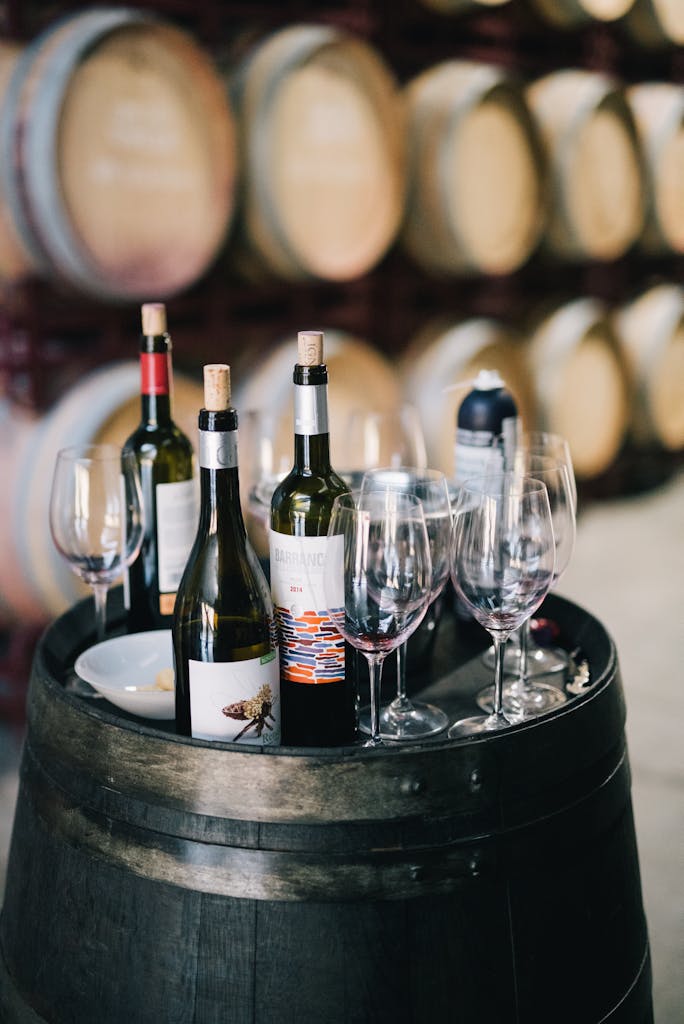
Wine is a delicate emulsion, a complex matrix of organic compounds in suspension. Mechanical vibration, however subtle, introduces kinetic energy into this fragile system, with deleterious consequences.
Sedimentary Resuspension: The Clouding Effect
Fine wines, particularly reds that have undergone extended aging, often develop a natural sediment—a harmless byproduct of the winemaking process. This sediment, composed primarily of polymerized tannins and unfermented yeast cells, settles benignly at the bottom of the bottle. However, constant vibration, even imperceptible tremors from nearby appliances, HVAC systems, or external traffic, can agitate this sediment, re-suspending it throughout the wine. This imparts a cloudy appearance and can render the wine unpalatable, affecting both its visual appeal and its organoleptic integrity. The clarity and brilliance of a mature wine are critical indicators of its quality; vibration directly undermines this.
Molecular Agitation: Accelerated Aging and Flavor Degradation
Beyond sediment disturbance, continuous vibration can induce subtle molecular agitation within the wine itself. This constant jostling of molecules can accelerate chemical reactions, causing the wine to age prematurely and, crucially, to age poorly. The complex aromatic precursors, the esters and terpenes that contribute to the wine’s bouquet, are particularly susceptible to this mechanical stress, leading to a loss of finesse and the development of coarser, less refined flavors. Isolation from external vibrational sources is a non-negotiable imperative. Consideration of an isolation foundation or anti-vibration shelving is critical engineering.
The Aromatic Sponge: Odor Contamination and Cork Permeability
The cork, an organic material, is not entirely impermeable. It exhibits a degree of porosity, acting as a slow, selective membrane. This characteristic, beneficial for the slow evolution of wine over time, also renders it susceptible to external aromatic contamination.
Volatile Organic Compounds: The “Cork Taint” Analogy
Just as a cork, infected with TCA (2,4,6-trichloroanisole), can impart a pervasive musty odor to the wine, so too can the wine absorb undesirable ambient aromas. Strong-smelling materials, such as cleaning agents, paints, certain wood finishes, or even the aroma of stored cheeses, can permeate the cork over time, tainting the wine’s delicate bouquet and flavor profile. The wine effectively acts as an “aromatic sponge,” absorbing these extraneous volatile organic compounds.
Maintaining Aromatic Neutrality: A Sterile Environment
The ideal cellar environment is one of absolute aromatic neutrality. Meticulous attention must be paid to the selection of building materials, shelving components, and any ancillary equipment within the cellar. All materials should be inert, non-gassing, and free of strong inherent odors. Regular air filtration and circulation, while primarily for thermal and humidity management, also serve to maintain an odor-free atmosphere, ensuring that the unique aromatic signature of each bottle is preserved and not compromised by external olfactory intrusions.
The Strategic Enclosure: Architectural Considerations for Preservation
The cellar itself, as a constructed environment, is not merely a storeroom but a precision instrument for preservation. Its architectural design and material specification are foundational to achieving and maintaining optimal psychrometrics.
The Vapor Barrier: Impermeability as the First Line of Defense
A critical, yet frequently overlooked, element in cellar construction is the vapor barrier. This impermeable membrane, meticulously installed on the warm side of the insulation envelope, prevents moisture migration into the cellar’s wall cavities. Without an effective vapor barrier, moisture from the surrounding environment will condense within the walls, leading to insulation degradation, mold growth, and a compromised R-value, effectively sabotaging all efforts at temperature and humidity control. It is the architectural equivalent of a flawlessly sealed bottle; an imperfect seal leads to spoilage.
Insulation: The Thermal Envelope’s Efficiency Rating
The type, thickness, and continuity of insulation dictates the thermal efficiency of the cellar. A robust insulation strategy, designed to achieve a high R-value, minimizes heat transfer between the cellar and the exterior environment. This reduces the workload on the climate control system, leading to lower energy consumption and, crucially, less wear and tear on the machinery. A well-insulated cellar acts as a thermal shield, buffering the wine from external temperature fluctuations and creating a stable microclimate within. Closed-cell spray foam, rigid foam boards, or high-density fiberglass are often specified, meticulously installed to eliminate thermal bridging—gaps where heat can bypass the insulation.
Illumination Protocol: The Spectrum of Deterioration
Light, particularly ultraviolet (UV) radiation, is a significant antagonist to wine. UV rays cause photochemical reactions within the wine, resulting in “light struck” flavor, a condition often described as a smell of wet wool or cardboard. Even visible light, over prolonged exposure, can degrade the delicate pigments and aromatic compounds. Therefore, cellar lighting must be carefully controlled. Low-wattage, incandescent bulbs or purpose-designed LED lighting with minimal UV emission are preferred. Lighting should be utilized only when necessary, typically for brief periods of bottle retrieval or inventory management, mirroring the subdued, cavernous environments ideal for ancient cellars. It should be an architectural focal point of subdued, indirect illumination, not a beacon.
The intricacies of optimal wine storage extend far beyond simplistic refrigeration. It is a nuanced scientific discipline, demanding a precise understanding of psychrometrics, thermal dynamics, and material science. Your collection, representing an investment of both capital and connoisseurship, merits nothing less than an environment engineered for its enduring brilliance.
We invite you to experience the pinnacle of preservation technology. Our Walnut Creek showroom offers a comprehensive consultation on bespoke cellar solutions, integrating the latest advancements in climate control, insulation, and architectural design. Engage with our experts to commence the strategic planning of your ultimate liquid asset repository.
FAQs
What is psychrometrics in the context of a wine cellar?
Psychrometrics refers to the study and measurement of the air’s moisture content and temperature within a wine cellar. It is essential for maintaining optimal humidity and temperature levels to preserve wine quality.
Why is controlling humidity important in a wine cellar?
Proper humidity levels, typically between 50% and 70%, prevent corks from drying out or becoming too moist. This helps maintain an airtight seal, preventing oxidation and spoilage of the wine.
What temperature range is ideal for a wine cellar according to psychrometric principles?
The ideal temperature for wine storage is generally between 50°F and 59°F (10°C to 15°C). Maintaining this range helps slow down the aging process and preserves the wine’s flavor and aroma.
How do psychrometric measurements help in designing a wine cellar?
Psychrometric data guides the selection of cooling and humidification systems to maintain stable temperature and humidity. This ensures the environment is suitable for long-term wine storage and prevents damage caused by fluctuations.
What tools are used to measure psychrometric conditions in a wine cellar?
Common tools include hygrometers to measure humidity, thermometers for temperature, and psychrometers that combine both measurements. These instruments help monitor and adjust the cellar environment effectively.