Future-Proofing the Pour: Scaling Your Infrastructure for a Lifetime of Acquisitions
The persistent challenge for burgeoning wine collections is not merely acquisition but the unwavering commitment to their long-term preservation and intrinsic value enhancement. As your discerning collection scales, so too must its environmental stewardship. The foundational objective is to ensure that each vintage, a carefully curated liquid asset, is afforded the optimal conditions for its temporal evolution, thereby safeguarding its organoleptic integrity and maximizing its investment potential. This necessitates a proactive approach to environmental control and infrastructural scalability, treating your wine cellar not as mere storage, but as a sophisticated preservation technology. Your inquiry into modular expansion strategies addresses this critical juncture, providing a framework for predictable, controlled, and technically sound growth.
The integrity of a wine collection is inextricably linked to its immediate environment. Fluctuations in temperature, humidity, and exposure to external contaminants are the primary adversaries of slow, graceful aging. Think of your collection not simply as bottles, but as delicate, living entities undergoing a slow, metabolic process. The cellular structure of wine, its complex chemical compounds, and its nuanced aromatic profile are all susceptible to disruption by suboptimal conditions.



Thermal Mass: The Silent Guardian of Vintage Purity
The concept of thermal mass is fundamental to stable wine preservation. Materials with high thermal mass, such as concrete, stone, and dense wood, act as significant heat sinks, absorbing and releasing thermal energy slowly. This inherent inertia acts as a buffer against rapid ambient temperature shifts.
Understanding the Dynamics of Heat Transfer
In the context of a wine cellar, understanding heat transfer mechanisms is paramount. Conduction, convection, and radiation all play a role in how external thermal energy infiltrates the storage environment. A well-designed cellar with adequate thermal mass minimizes these influxes, creating a buffered microclimate. For instance, a foundation constructed with a substantial concrete slab provides exceptional thermal mass, anchoring the cellar’s temperature against diurnal and seasonal variations. The very foundation of your collection’s future lies in its ability to resist external thermal assaults.
The Role of Insulation in Conjunction with Thermal Mass
While thermal mass acts as a buffer, effective insulation is the primary defense against direct thermal transfer. A high R-value insulation system, expertly integrated into the cellar’s envelope, prevents rapid heat gain or loss. The interplay between thermal mass and insulation is analogous to the insulated hull of an icebreaker ship; the insulation provides the outer layer of protection, while the ship’s mass provides the momentum to cut through challenging conditions.
Vapor Barrier: The Sentinel of Humidity Control
Humidity is a critical, yet often overlooked, factor in wine preservation. Excessive humidity (above 85%) can foster mold growth on labels and corks, potentially compromising the seal and leading to oxidation. Conversely, insufficient humidity (below 50%) can cause corks to dry out, shrink, and allow air ingress, initiating premature aging and spoilage.
Preserving Organoleptic Integrity Through Humidity Management
The organoleptic integrity of a wine – its aroma, flavor, and mouthfeel – is directly influenced by the conditions under which it ages. A desiccated cork becomes a compromised seal, allowing volatile aromatic compounds to escape and oxygen to permeate. This is not merely an aesthetic concern; it is a fundamental assault on the sensory experience the vintner intended and the collector seeks to preserve. A correctly deployed vapor barrier ensures that the delicate balance of moisture within the cellar is maintained, protecting both the liquid asset and its container.
The Technical Nuances of Vapor Barrier Placement
The precise placement of a vapor barrier is critical for its efficacy. Typically installed on the warm side of the insulation (on the exterior of the cellar walls in heated spaces, or on the interior in cooled spaces), it prevents moisture-laden air from reaching the cooler surfaces where condensation would occur. Incorrect placement can, in fact, exacerbate humidity issues by trapping moisture within the wall assembly. This is a detailed engineering consideration, demanding a thorough understanding of building science principals.
Modular Expansion: A Scalable Blueprint for Success
The foresight to implement modular expansion strategies from the outset transforms a static storage solution into a dynamic, adaptable system. This approach acknowledges that a collector’s passion, and therefore their collection, is rarely static. It is about building a preservation technology that grows with your discerning taste.
The Principle of Incremental Growth
Modular expansion is predicated on the principle of incremental growth. Rather than undertaking a single, large-scale construction project that may be financially or logistically unfeasible for a burgeoning collection, this strategy allows for phased development. Each module, or expansion unit, is designed to seamlessly integrate with the existing infrastructure, ensuring continuous environmental stability and aesthetic cohesion.
Designing for Future Integration: The Architectural Focal Point
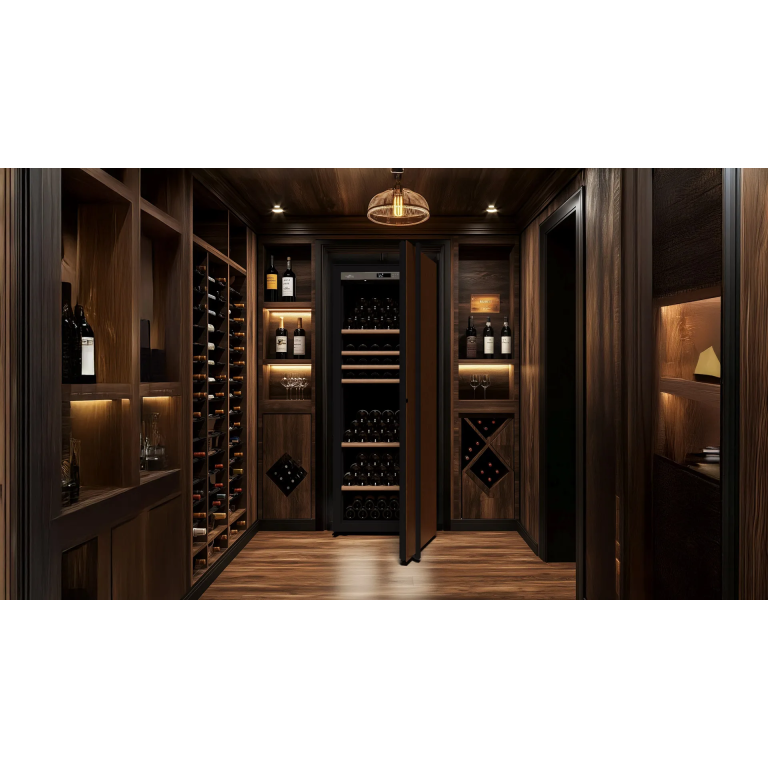
When designing your initial cellar, consider its potential as an architectural focal point. Even a single module should be envisioned as a standalone unit that can be elegantly connected to future additions. This requires careful planning of access points, structural load-bearing capacity, and the seamless integration of environmental control systems. The aesthetic and functional integrity of the original module should not be compromised by future expansions; rather, the expansions should enhance its perceived value. Consider the expansion not as an appendage, but as a planned extension of an already distinguished entity.
Scalability in Environmental Control Systems
A critical aspect of modular expansion is the scalability of your environmental control systems. A single-zone cooling unit may suffice for a small initial cellar, but as the collection grows, the demand for precise climate control increases. Modular systems are designed with the ability to accommodate additional cooling units, humidifiers, and dehumidifiers, ensuring that each new section receives dedicated and precise environmental conditioning. This is akin to a sophisticated electrical grid, where additional power sources can be seamlessly brought online to meet growing demand.
The Case for Pre-Fabricated Modular Units
Pre-fabricated modular wine cellar units offer a compelling solution for collectors seeking both speed of deployment and predictable performance. These units are typically constructed in a controlled factory environment, ensuring precision in their assembly and adherence to stringent quality control standards.
Ensuring Organoleptic Integrity in Manufactured Modules
Reputable manufacturers of pre-fabricated modular wine cellars understand the critical importance of organoleptic integrity. They utilize materials and construction techniques that actively mitigate vibration, control humidity, and prevent odor absorption, all essential for preserving the delicate nature of wine. The construction process itself is engineered to minimize the ingress of external environmental stressors. Such modules are not simply boxes; they are sophisticated environmental enclosures engineered for preservation.
The Efficiency of On-Site Installation
The advantage of pre-fabricated modular units extends to their on-site installation. Because the primary construction is completed off-site, the on-site work is significantly reduced, often involving minimal disruption to your residence. This expedited installation process, coupled with the inherent quality control of a factory setting, makes pre-fabricated modules a technically sound and logistically efficient choice for rapid, yet reliable, collection expansion.
Mitigating Disturbance: The Silent Enemy of Vintage Evolution

Vibration is an insidious threat to the contemplative aging of wine. Micro-vibrations, often imperceptible to the human ear, can agitate the sediment within a bottle, disrupting the slow, chemical reactions that contribute to a wine’s maturation. This agitation can prematurely age the wine, cloud its clarity, and negatively impact its final flavor profile.
The Technical Impacts of Mechanical Vibration
Mechanical vibration, whether from HVAC systems, external traffic, or even household appliances, transmits energy that can directly affect the wine. This energy can interfere with the natural settling of sediment and potentially accelerate oxidation by disturbing the delicate equilibrium within the bottle. Think of it as perpetually stirring a delicate potion; the intended serene transformation is disrupted.
Addressing Vibration at the Source
The most effective strategy for mitigating vibration is to address it at its source. This involves selecting ultra-quiet refrigeration units designed specifically for wine cellars, ensuring that any external HVAC components are properly isolated, and considering the placement of the cellar away from significant sources of mechanical disturbance. For instance, a cellar located adjacent to a busy street or a high-traffic internal corridor will inherently face greater vibration challenges. This proactive approach is about creating a sanctuary of stillness for your liquid assets.
The Role of Vibration Dampening Materials
In addition to source mitigation, employing vibration dampening materials within the cellar’s construction can further attenuate residual vibrations. Specialized flooring systems, anti-vibration mounts for refrigeration units, and even the careful selection of shelving materials can contribute to a more stable environment. These are not mere aesthetic choices, but technical considerations aimed at preserving the silent, patient evolution of your vintages.
Environmental Control Precision: The Art and Science of Climate Management
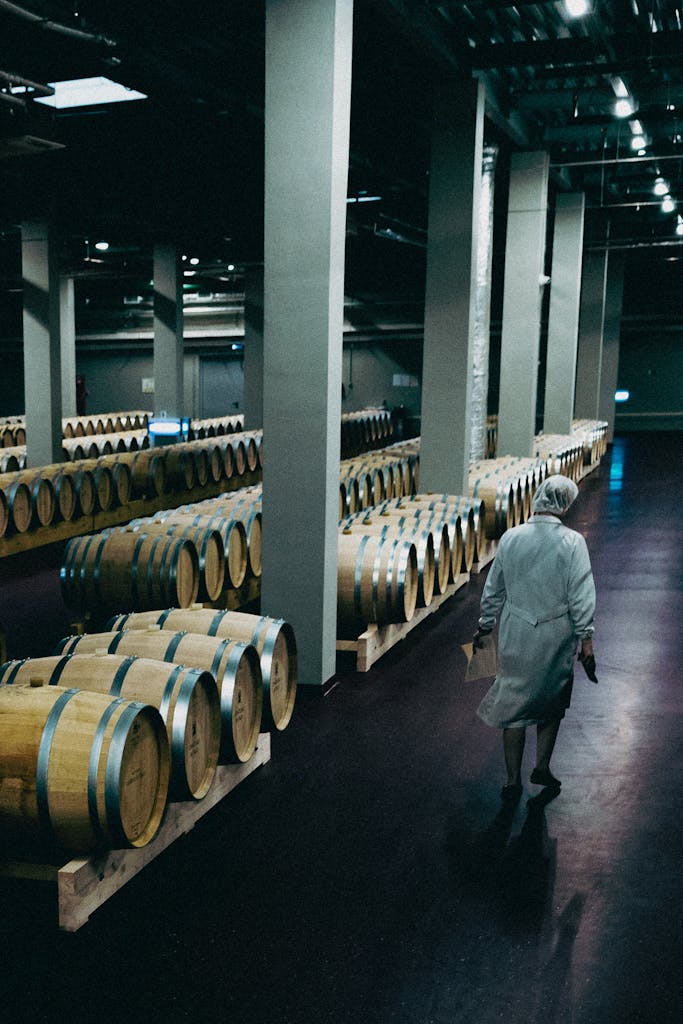
Effective environmental control is not simply about maintaining a set temperature; it is about achieving and maintaining a precise, stable climate tailored to the specific needs of your collection. This involves a sophisticated orchestration of temperature, humidity, and air circulation.
The Uniqueness of Wine Aging Environments
Each wine, and indeed each vintage, has unique aging requirements. While general guidelines exist, the optimal conditions for a robust Cabernet Sauvignon may differ from those for a delicate white Burgundy. A sophisticated preservation technology allows for nuanced control.
Temperature Stability: The Bedrock of Aging
The stability of temperature is paramount. Consistent temperatures, typically between 55°F (13°C) and 65°F (18°C), are crucial. Wider swings, even within an acceptable range, can accelerate aging unpredictably and negatively impact flavor development. Imagine a delicate bloom; consistent, temperate sunlight nurtures its growth, while erratic exposure can damage its petals.
Humidity Control for Cork Health and Label Preservation
As previously discussed, humidity levels between 50% and 85% are ideal. For collectors in arid regions, this necessitates active humidification; in humid climates, dehumidification may be required. Beyond cork preservation, maintaining the correct humidity also protects bottle labels from degradation and mold, preserving their aesthetic and, thereby, the overall investment value.
Advanced Air Circulation and Filtration Systems
Beyond temperature and humidity, effective air circulation and filtration are vital for maintaining a pristine environment. Stagnant air can lead to musty odors and promote mold growth. Filtration systems remove dust, volatile organic compounds (VOCs), and other airborne contaminants that could subtly affect the wine over time.
Preventing Odor Transference: A Technical Imperative
Certain materials used in standard construction can off-gas VOCs, which can be absorbed by wine, imparting undesirable notes. High-quality wine cellars utilize inert materials and employ advanced filtration to ensure that the only aromas present are those emanating from the wine itself. This is about preserving the organoleptic purity, ensuring that the wine’s narrative is not diluted by external olfactory interference.
The Role of Filtration in Maintaining a Clean Atmosphere
Think of the cellar’s air as a culinary ingredient; it must be pure and without off-flavors. Activated carbon filters and HEPA filters work in concert to scrub the air, removing particulates and chemical compounds. This meticulous attention to air quality is as critical as managing temperature or humidity.
Design Considerations: Integrating Form and Function
The design of your wine cellar, whether an initial build or an expansion, is a critical intersection of form and function. It is not merely about housing bottles; it is about creating a space that respects the gravity of your collection and enhances its appreciation.
The Aesthetic of Preservation: Beyond Mere Aesthetics
A discerning collector understands that the environment in which wine is stored can significantly impact its perceived value and the pleasure derived from its eventual consumption. The visual appeal of a well-appointed cellar contributes to the overall experience.
Lighting: A Controlled Illumination Strategy
Light, particularly UV radiation, is detrimental to wine. Therefore, lighting within a wine cellar must be carefully considered. Low-UV emitting LED lighting, strategically placed, provides adequate illumination for browsing and selection without posing a risk to the wine. Spotlighting can be used to highlight specific bottles or sections, creating an individualized appreciation of your holdings. Consider it as curating the visual narrative of your collection.
Shelving and Racking: Optimizing Space and Accessibility
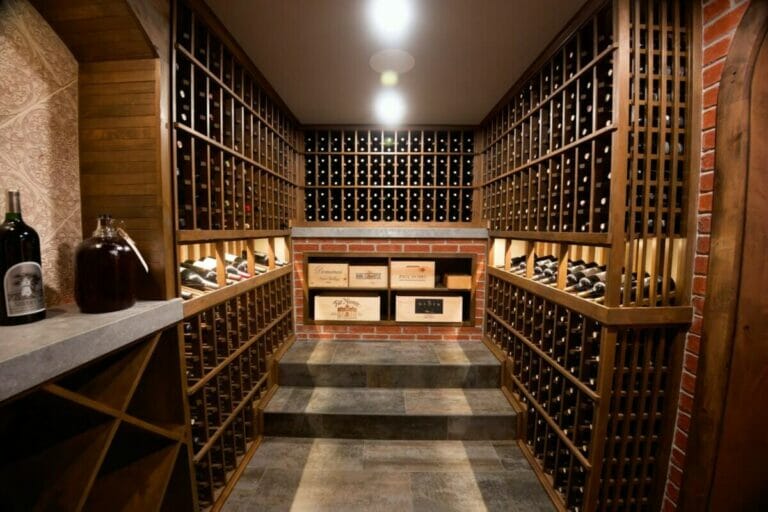
The selection of shelving and racking systems is a crucial design element. Materials should be inert and durable, such as redwood, cedar, or powder-coated steel. The configuration must optimize space utilization while ensuring easy accessibility to each bottle. Modular racking systems are particularly advantageous for expansion, allowing for seamless integration and adaptation as your collection grows. This is about creating a functional, yet elegant, framework for your investment.
Craftsmanship and Material Selection: The Foundation of Longevity
The quality of craftsmanship and the selection of materials are paramount in constructing a wine cellar that not only preserves your collection but also endures as a testament to quality.
The Importance of Inert and Breathable Materials
As touched upon earlier, inert and breathable materials are crucial for maintaining a stable and healthy environment. Avoid materials that off-gas or absorb moisture excessively. Natural woods like redwood and cedar are popular choices due to their natural resistance to insects and their ability to regulate humidity to a degree. However, their use must be integrated with proper vapor barriers and climate control.
The Walnut Creek Showroom: A Tangible Demonstration of Expertise
To truly appreciate the intricacies of sophisticated wine cellar design and the application of modular expansion strategies, we invite you to experience our Walnut Creek showroom. Here, you will encounter a tangible demonstration of our commitment to the science of preservation and the art of luxury. Witness firsthand the seamless integration of advanced climate control systems, the meticulous craftsmanship of our modular units, and the elegant design principles that elevate wine storage from mere utility to an architectural focal point. Allow us to guide you through solutions that will not only safeguard your current liquid assets but provide a scalable blueprint for their perpetual growth and enhanced value.
FAQs
What are modular expansion strategies?
Modular expansion strategies involve adding new components or modules to an existing system or structure in a flexible and scalable way. This approach allows for incremental growth without the need for complete redesigns.
In which industries are modular expansion strategies commonly used?
Modular expansion strategies are widely used in industries such as construction, manufacturing, software development, and electronics, where scalability and adaptability are important for growth and innovation.
What are the benefits of using modular expansion strategies?
The benefits include increased flexibility, cost-effectiveness, faster implementation, easier maintenance, and the ability to customize or upgrade parts of a system without disrupting the whole.
How do modular expansion strategies differ from traditional expansion methods?
Unlike traditional expansion methods that often require large-scale changes or complete overhauls, modular expansion strategies focus on adding discrete, self-contained units that integrate seamlessly with existing systems, minimizing downtime and complexity.
What factors should be considered when planning a modular expansion strategy?
Key factors include compatibility with existing systems, scalability requirements, cost implications, potential impact on performance, and the ease of integration and future upgrades.