The Wood-Grain Hierarchy: Evaluating Tensile Strength and Longevity in Hardwood Builds
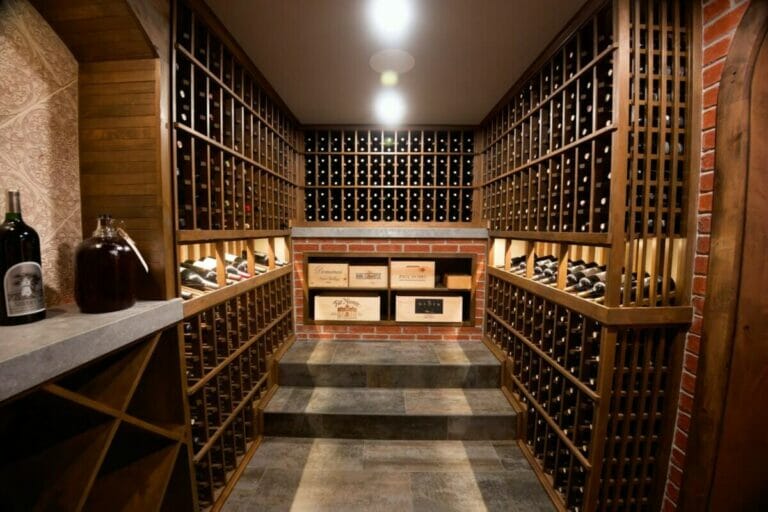
The sustained vitiation of liquid assets through improper storage regimes remains a critical concern for both nascent and established oenophiles. The structural integrity of wine racking, therefore, transcends mere aesthetic preference, becoming a fundamental component of proactive preservation strategy. This discourse dissects the comparative durability of oak and walnut, two preeminent materials employed in the fabrication of high-fidelity wine storage solutions, offering a technical adjudication of their respective merits.
The intrinsic mechanical properties of a material dictate its efficacy in load-bearing applications and its long-term resilience against environmental stressors. Understanding these foundational characteristics is paramount when selecting the optimal racking system for your liquid asset portfolio.
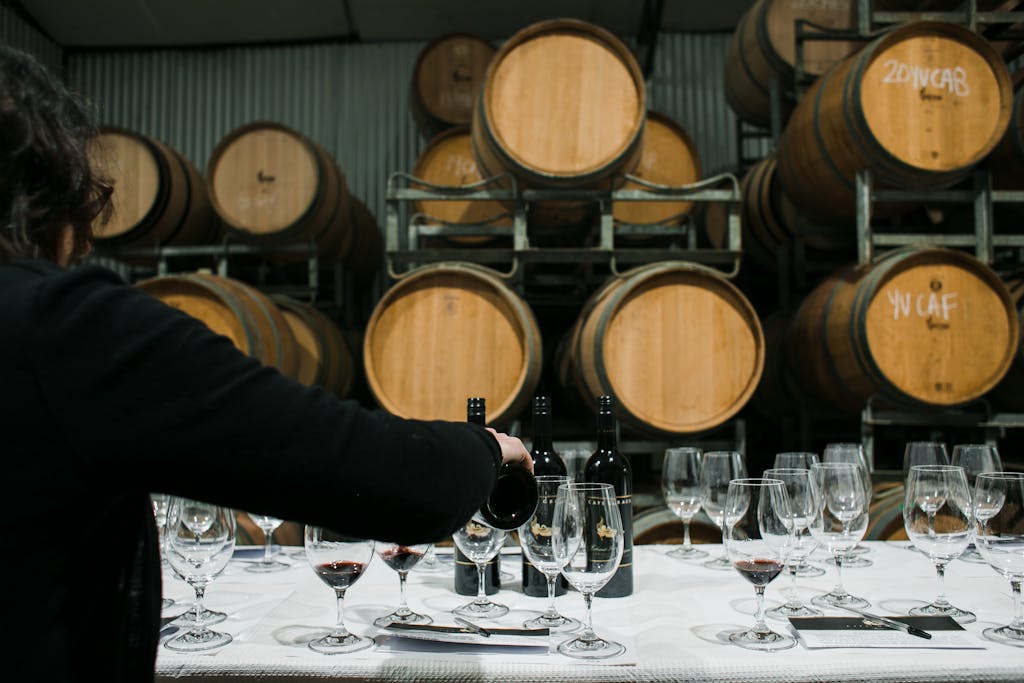
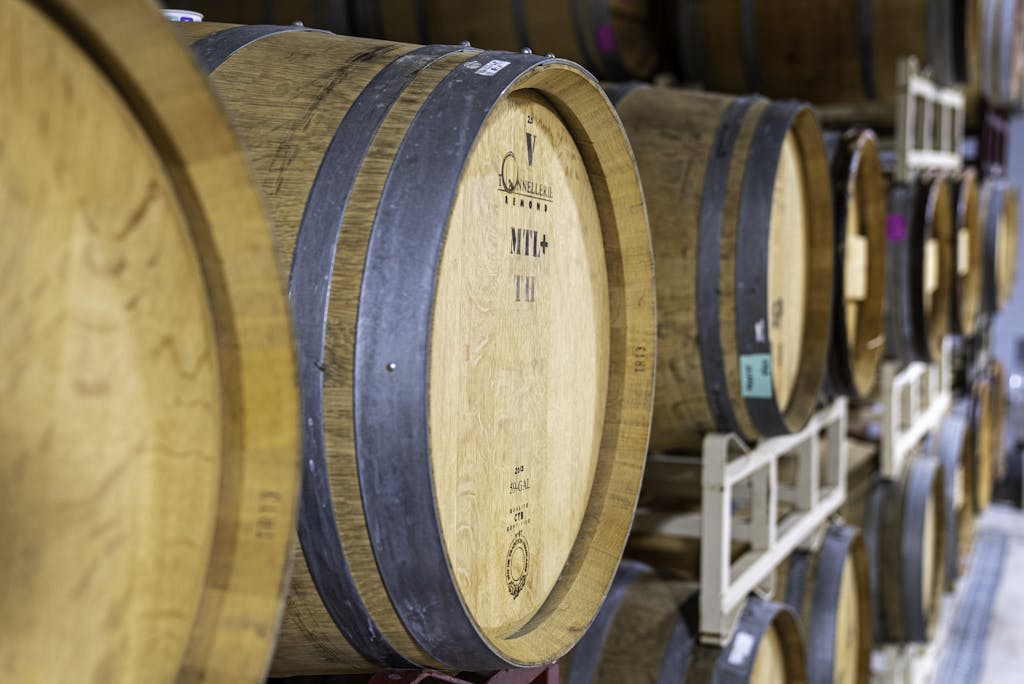
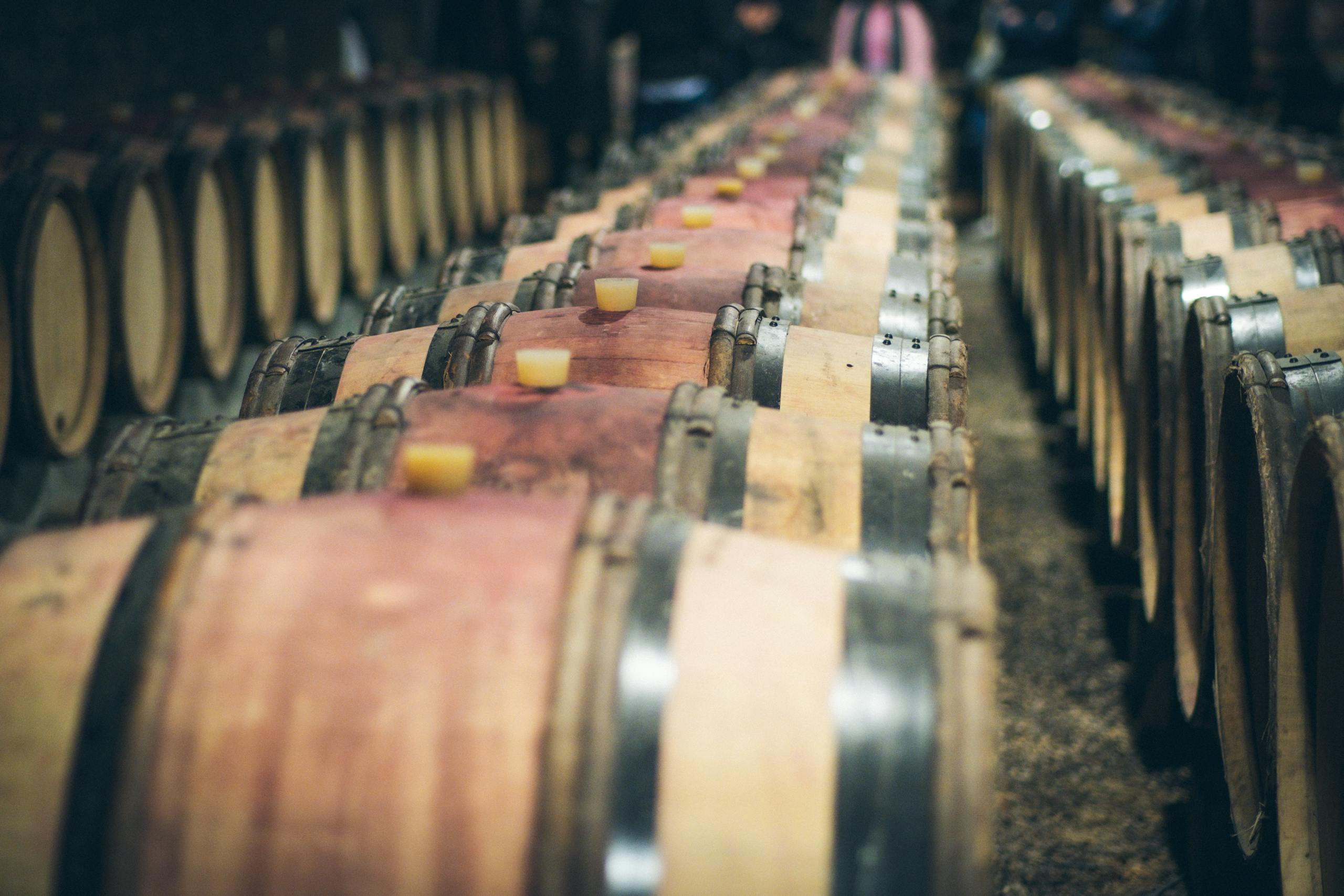
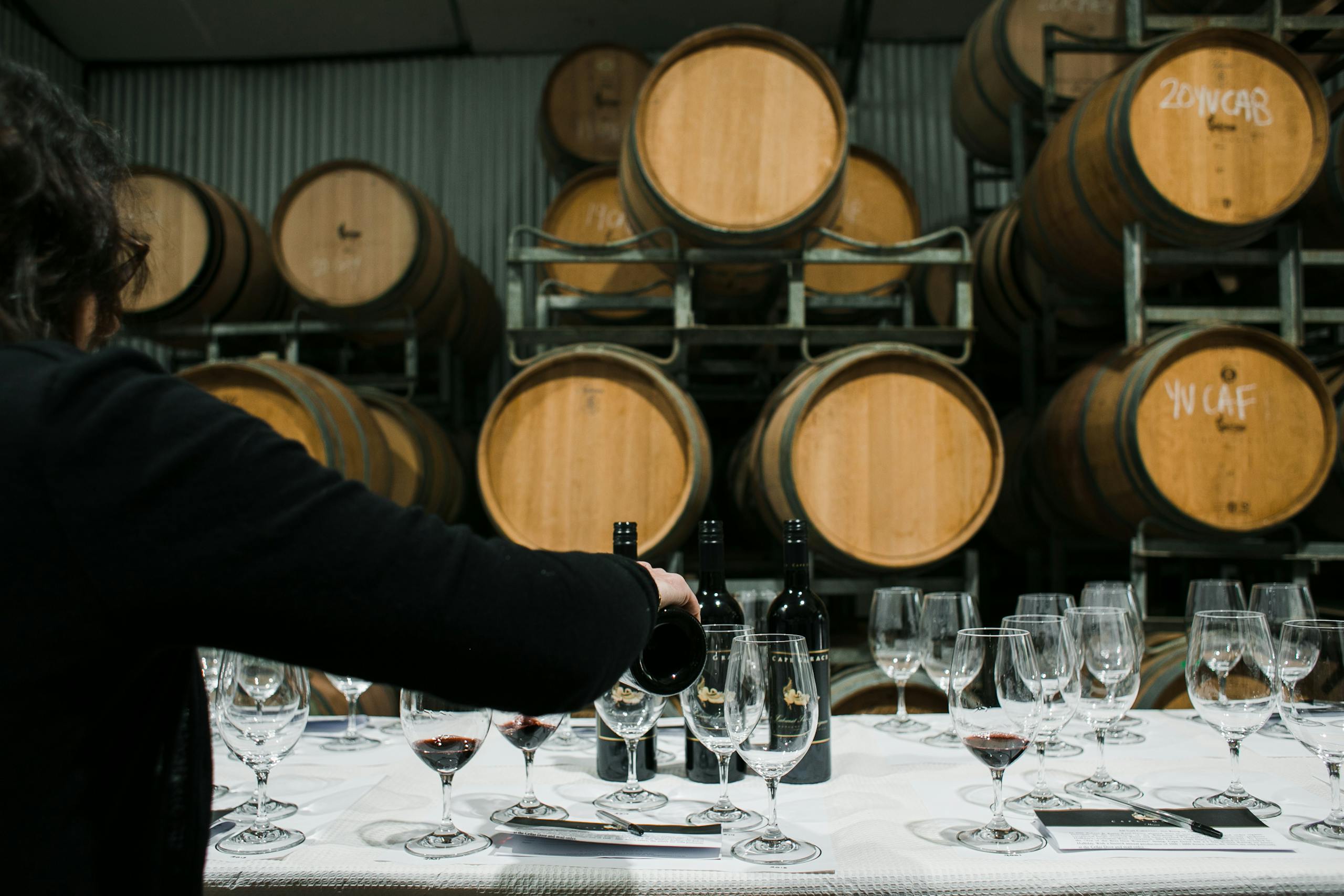
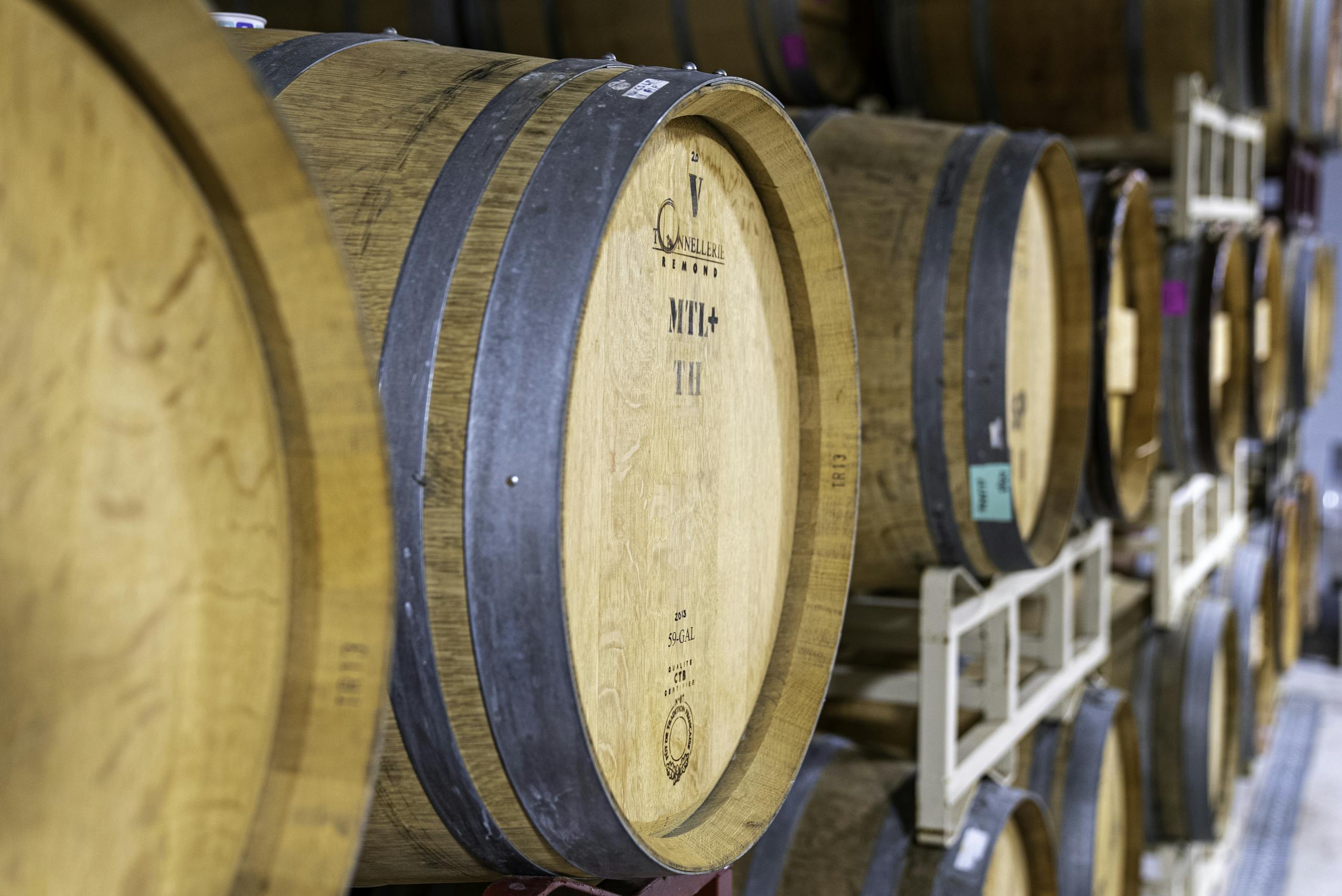
Oak: The Resilient Standard
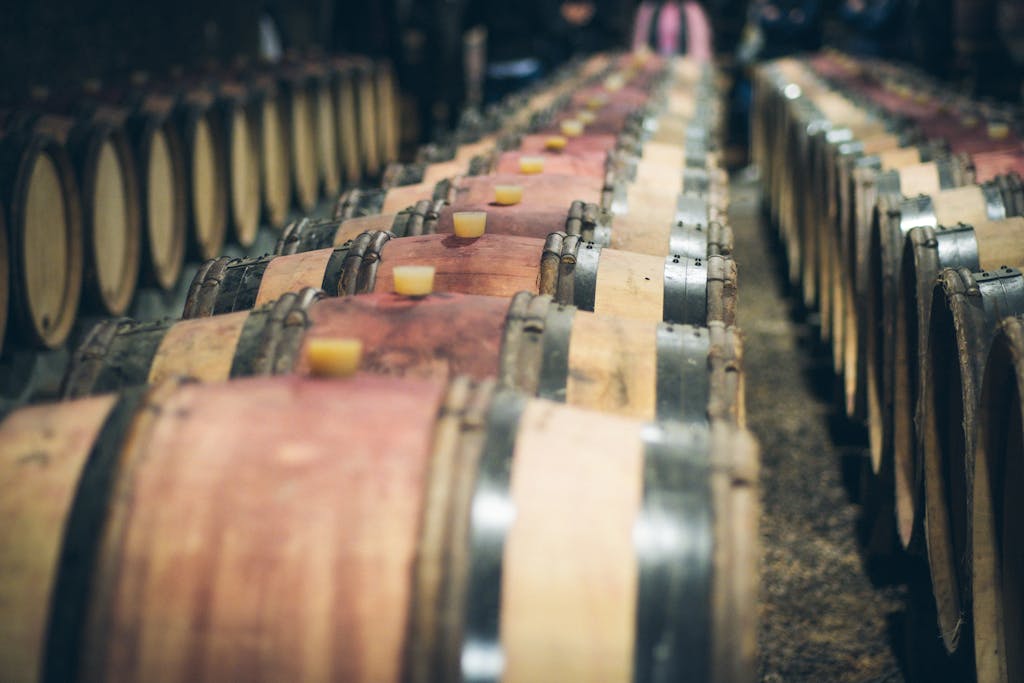
Oak (genus Quercus) has long been lauded for its exceptional strength-to-weight ratio and inherent resistance to degradation. Its widespread adoption in both structural architecture and fine cabinetry is a testament to its robust profile.
Density and Hardness
The density of oak, typically ranging from 0.6 to 0.9 g/cm³, imbues it with significant thermal mass. This property is crucial in mitigating rapid temperature fluctuations within the storage environment, thereby safeguarding the organoleptic integrity of your wines. The high Janka hardness rating of oak (e.g., White Oak at 1360 lbf, Red Oak at 1290 lbf) directly correlates with its resistance to denting, scratching, and general mechanical abrasion. This attribute is particularly pertinent in high-traffic cellar environments where accidental impacts are a possibility. The robust cellular structure of oak, characterized by a tight grain, provides a formidable barrier against the ingress of moisture, reducing the risk of warpage – a primary antagonist to structural stability over extended durations.
Tannin Content and Natural Preservation
Oak’s elevated tannin content, specifically gallotannins, acts as a natural fungicidal and insecticidal agent. This intrinsic biochemical defense mechanism confers an augmented resistance to biological degradation, including mold, mildew, and wood-boring pests. While a controlled environment with an optimized vapor barrier and HVAC system dramatically reduces these risks, the inherent resilience of oak provides an additional, invaluable layer of prophylaxis. For collections intended for multi-decade maturation, this natural antimicrobial property contributes significantly to the sustained structural integrity of the racking system.
Dimensional Stability and Moisture Resistance
Under conditions of fluctuating relative humidity, materials with superior dimensional stability exhibit minimal expansion and contraction. Oak, particularly when quarter-sawn, showcases commendable stability. Its cellular structure is less prone to hygroscopic swelling and shrinking compared to various other hardwoods. This inherent resistance to dimensional change is critical for maintaining precise spacing between bottles and preventing undue stress on the racking joints, which could compromise the long-term seismic stability of the entire system. In environments where the vapor barrier may be intermittently challenged – for instance, during power outages impacting HVAC – oak’s inherent moisture resistance provides a buffer against rapid material degradation.
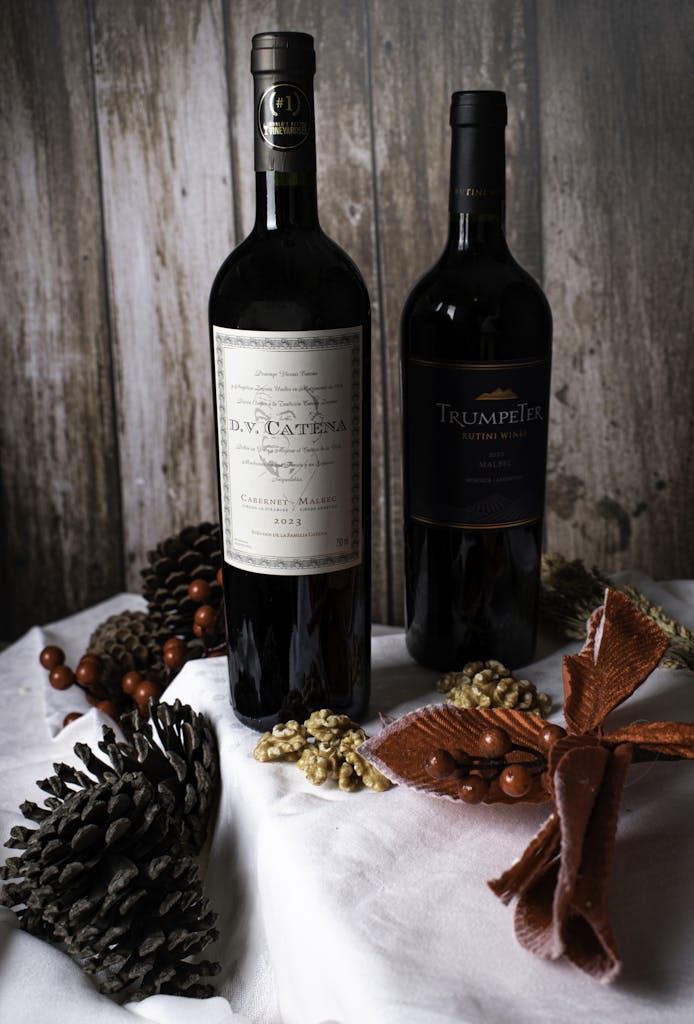
Walnut: The Elegant Durable
Walnut (genus Juglans) presents a compelling alternative, marrying exceptional aesthetic appeal with substantial mechanical properties. Often chosen for its rich, deep coloration and distinctive grain, walnut offers a luxurious architectural focal point in any cellar design while providing robust structural support.
Density and Hardness
While generally slightly less dense than certain oak species, walnut (e.g., American Black Walnut at approximately 0.63 g/cm³) still possesses a significant specific gravity conducive to load-bearing applications. Its Janka hardness rating (e.g., American Black Walnut at 1010 lbf) indicates a high degree of resistance to surface marring and impact damage. This characteristic is vital for preserving the aesthetic integrity of the racking over time, particularly where the racking itself is a prominent visual element within the cellar schema. The inherent shock absorption properties of walnut, attributed to its unique cellular structure, contribute to an overall resilience against vibrational stresses, a critical consideration for maintaining the undisturbed maturation of sensitive liquid assets.
Natural Oils and Decay Resistance
Walnut wood contains natural oils and extractives (e.g., juglone) that impart a remarkable resistance to decay, fungi, and insect infestation. This inherent biochemical protection parallels, and in some aspects, surpasses, the natural preservative qualities of oak’s tannins. These oils also contribute to walnut’s impressive natural sheen and provide a degree of internal moisture resistance, reducing the material’s susceptibility to water absorption and subsequent warpage. The presence of these natural compounds minimizes the necessity for chemical treatments, aligning with sustainable and non-contaminating practices in a cellar environment where the purity of the stored liquid assets is paramount.
Workability and Joinery
Walnut’s superior workability, often cited by master woodworkers, allows for the creation of intricate joinery with high precision. This attribute is not merely aesthetic; finely crafted mortise and tenon joints, for example, distribute load stresses more effectively and resist shear forces, significantly enhancing the overall structural integrity and seismic stability of the racking system. The ability to execute precise, tight-fitting connections directly translates to a more robust and enduring structure, minimizing the potential for fatigue and failure at critical stress points over decades of service.
Environmental Considerations and Longevity
The long-term performance of materials is inextricably linked to their interaction with the ambient environment. In wine cellars, where environmental controls are meticulously managed, the intrinsic properties of the racking material still play a decisive role in its ultimate longevity.
Thermal Stability and Expansion Coefficients
Both oak and walnut exhibit favorable coefficients of thermal expansion, meaning they expand and contract minimally with temperature fluctuations. This is a critical factor in a temperature-controlled cellar where a constant thermal regime is maintained. Materials with high thermal expansion coefficients can lead to stresses on joints and fasteners, potentially initiating structural fatigue over time. The inherent stability of these hardwoods ensures that the racking system maintains its precise dimensions, thereby preserving the security and alignment of the stored bottles. This dimensional consistency is vital for preventing the micro-vibrations that can disrupt sediment and accelerate oxidative processes within the wine.
Humidity Response and Equilibrium Moisture Content
The equilibrium moisture content (EMC) of a wood species, referring to the moisture content at which it will no longer absorb or release moisture from the surrounding air, is a key indicator of its performance in a humidity-controlled environment. Both oak and walnut achieve a stable EMC within the typical cellar range of 50-70% relative humidity. Materials that fluctuate significantly in EMC can lead to warpage, checking, and joint failure. The stability these hardwoods offer is a foundational element in preserving the long-term structural and aesthetic integrity of the racking, preventing the onset of material fatigue caused by cyclical moisture absorption and desorption.
Resistance to Biological Degradation
As previously discussed, both oak and walnut possess inherent resistance to biological antagonists due to their intrinsic chemical compositions. This natural prophylaxis significantly reduces the necessity for chemical treatments, such as fungicides or insecticides, which could potentially off-gas volatile organic compounds (VOCs) that would compromise the purity of the cellar environment and, consequently, the organoleptic integrity of your liquid assets. This bio-resistance is a critical component of a truly passive preservation system, ensuring that the racking itself does not introduce contaminants or degrade over extended periods.
Aesthetic and Investment Value
Beyond pure functionality, the choice between oak and walnut undeniably influences the aesthetic tenor of your cellar, directly impacting its perceived and actual investment value.
Visual Impact and Architectural Integration
Oak, with its pronounced grain and range of finishes from light natural tones to deeply stained hues, offers a classic, authoritative aesthetic. It seamlessly integrates into both traditional and contemporary cellar designs, providing a sense of timeless permanence. Walnut, conversely, introduces a richer, more opulent visual texture with its darker coloration and often more intricate grain patterns. It acts as an architectural focal point, imbuing the cellar with an air of sophisticated luxury. The choice between these materials therefore dictates not only the structural foundation but also the overarching design narrative of your preservation environment.
Long-Term Value and Patina Development
Both oak and walnut, when properly maintained, develop a distinguished patina over decades of service. This natural aging process enhances their visual depth and character, transforming the racking from mere storage infrastructure into a tangible antique. This development of patina contributes significantly to the long-term investment value of the cellar itself, aligning with the appreciation of the liquid assets it contains. Unlike synthetic materials, which degrade or become aesthetically dated, natural hardwoods like oak and walnut appreciate in character, reflecting a commitment to enduring quality and an understanding of heritage.
Sustainability and Provenance
The responsible sourcing of both oak and walnut from sustainably managed forests contributes to the intrinsic value of the racking. A brand’s commitment to ethical provenance not only reinforces its luxury positioning but also ensures the long-term availability of these invaluable resources. For the discerning collector, knowing that their preservation technology is not only exquisite but also ecologically sound adds another layer of appreciation for the overall investment.
In conclusion, both oak and walnut present compelling propositions for the discerning collector seeking high-performance preservation technology. Your selection should be a considered amalgamation of mechanical imperatives, aesthetic aspirations, and the specific environmental parameters of your cellar.
We invite you to experience the tactile and visual distinction of these materials firsthand. Our Walnut Creek showroom offers an unparalleled opportunity to engage with bespoke racking solutions, allowing you to appreciate the nuanced craftsmanship and structural integrity that define our preservation technology. We encourage you to schedule a consultation with our design engineers to articulate your specific storage objectives and commence the development of a tailored preservation schema for your esteemed liquid asset portfolio.
FAQs
What are the main differences in durability between oak and walnut wood?
Oak is generally harder and more durable than walnut, making it more resistant to dents and scratches. Walnut, while still strong, is softer and may show wear more quickly under heavy use.
How does moisture resistance compare between oak and walnut?
Oak has better natural moisture resistance due to its dense grain structure, which helps prevent warping and swelling. Walnut is less moisture-resistant and may require additional treatment to protect against humidity.
Which wood is better suited for heavy-duty racking systems?
Oak is typically preferred for heavy-duty racking because of its superior strength and durability. Walnut can be used for lighter loads or decorative racking but may not hold up as well under heavy weight.
How do oak and walnut racking systems perform over time?
Oak racking tends to maintain its structural integrity longer due to its hardness and resistance to wear. Walnut may develop surface scratches and dents more easily but can still last many years with proper care.
Are there differences in maintenance requirements for oak versus walnut racking?
Oak requires less frequent maintenance because of its durability and resistance to damage. Walnut may need more regular polishing and protective finishes to preserve its appearance and prevent damage.