Insuring the Vintage: How Technical Infrastructure Impacts Actuarial Appraisals
The true connoisseur understands that a wine collection transcends mere bottles; it is a meticulously curated portfolio, a liquid asset whose actuarial value is directly proportional to its proper stewardship. As a Senior Brand Strategist for {Your Brand Name}, our mandate is not merely to provide storage solutions, but to engineer environments that safeguard and elevate this intrinsic value. This is a technical exposition on the principles underpinning optimal wine preservation, presented with the rigor demanded by a discerning palate and the precision required for long-term investment.
The inherent fragility of fine wine, particularly those intended for extended aging, necessitates an acute understanding of its environmental vulnerabilities. Each bottle, a singular expression of terroir and vintage, is engaged in a delicate biochemical dance, and any deviation from optimal conditions risks compromising its organoleptic integrity and, consequently, its market appreciation.
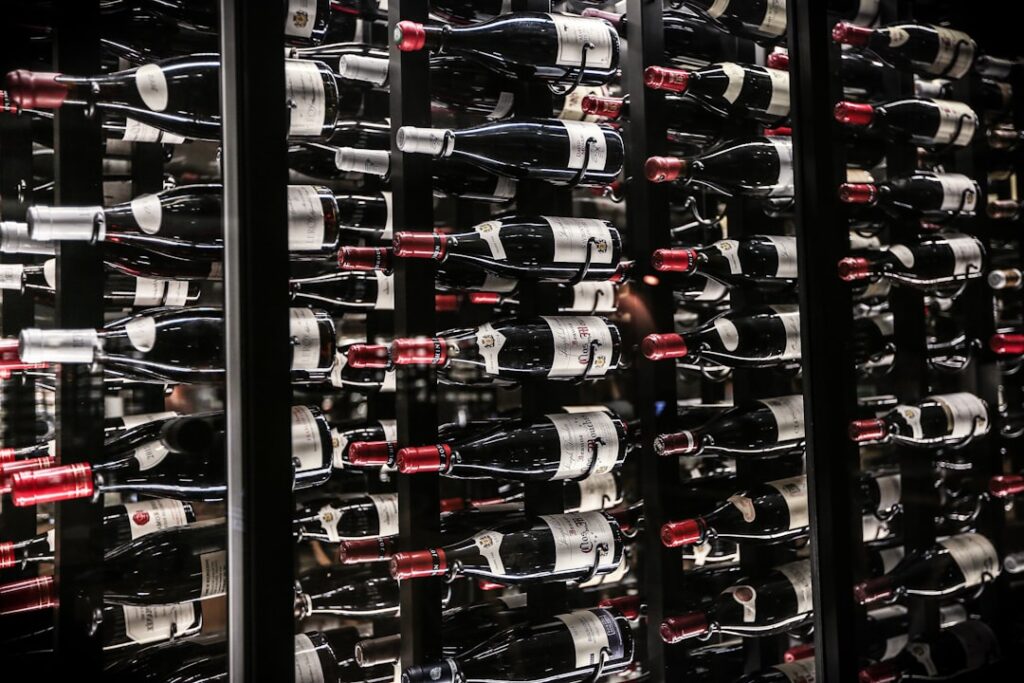
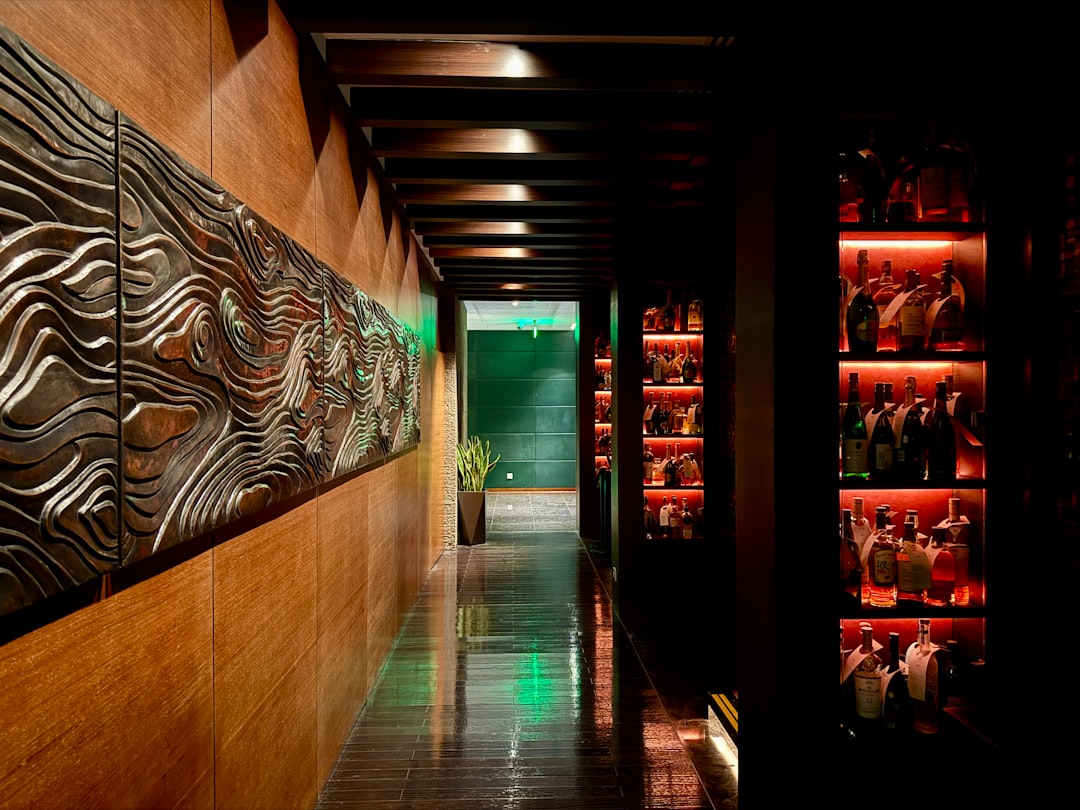
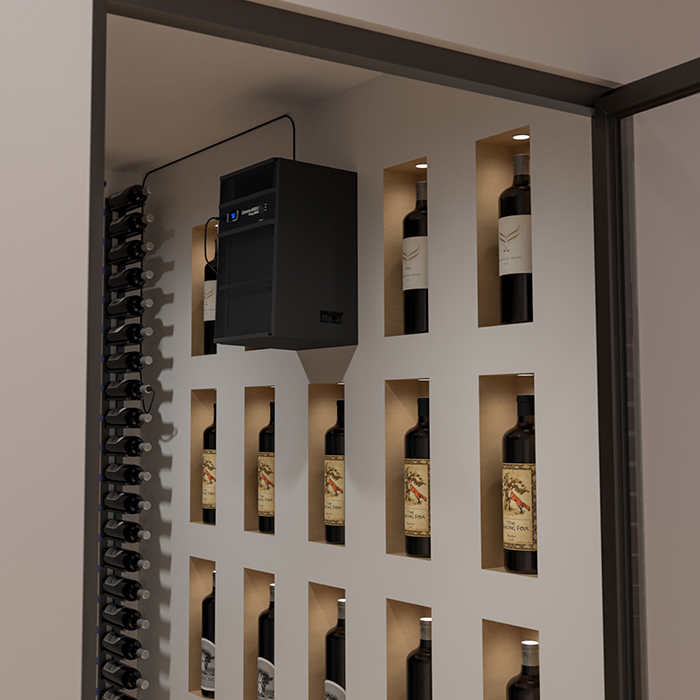
Temperature Stability: The Locus of Molecular Equilibrium
The primary antagonist in wine preservation is temperature fluctuation. Wine is an organic compound, and its molecular structure is highly susceptible to kinetic energy. Elevated temperatures accelerate the chemical reactions responsible for maturation, often leading to premature oxidation, the degradation of delicate esters and aldehydes, and a phenomenon colloquially known as “cooked” wine. Conversely, excessively low temperatures can impede proper maturation, preventing the integration of tannins and the development of tertiary aromas.
- Thermal Mass and Specific Heat Capacity: Our cellaring systems are engineered with a profound understanding of thermal mass. Materials with high specific heat capacity, such as dense hardwood and certain composite alloys, are strategically integrated into the construction. These materials act as a thermal buffer, absorbing and releasing heat slowly, thus dampening the impact of external temperature shifts. This passive thermal regulation is critical for maintaining the narrow temperature band, typically between 12°C and 16°C, deemed optimal for cellar-aged wines.
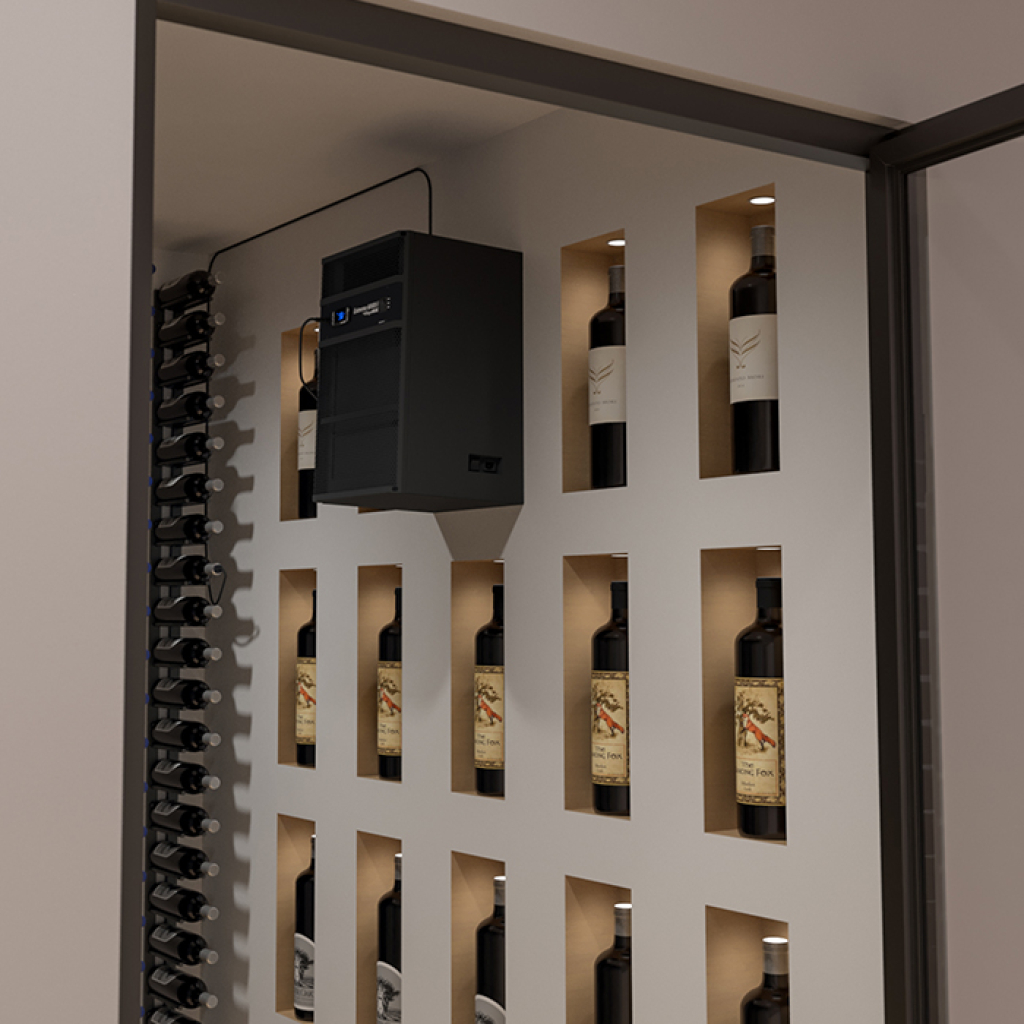
- Precision Thermodynamics: Active cooling mechanisms employed in our integrated units go beyond rudimentary refrigeration. They utilize advanced compressor technology and intelligent algorithms to achieve and maintain temperature setpoints with a fractional degree of variance. This precision is paramount, as even minor, cyclical temperature changes can induce thermal shock, causing cork expansion and contraction, which in turn compromises the seal.
Humidity Regulation: Safeguarding the Cork’s Guardian Role
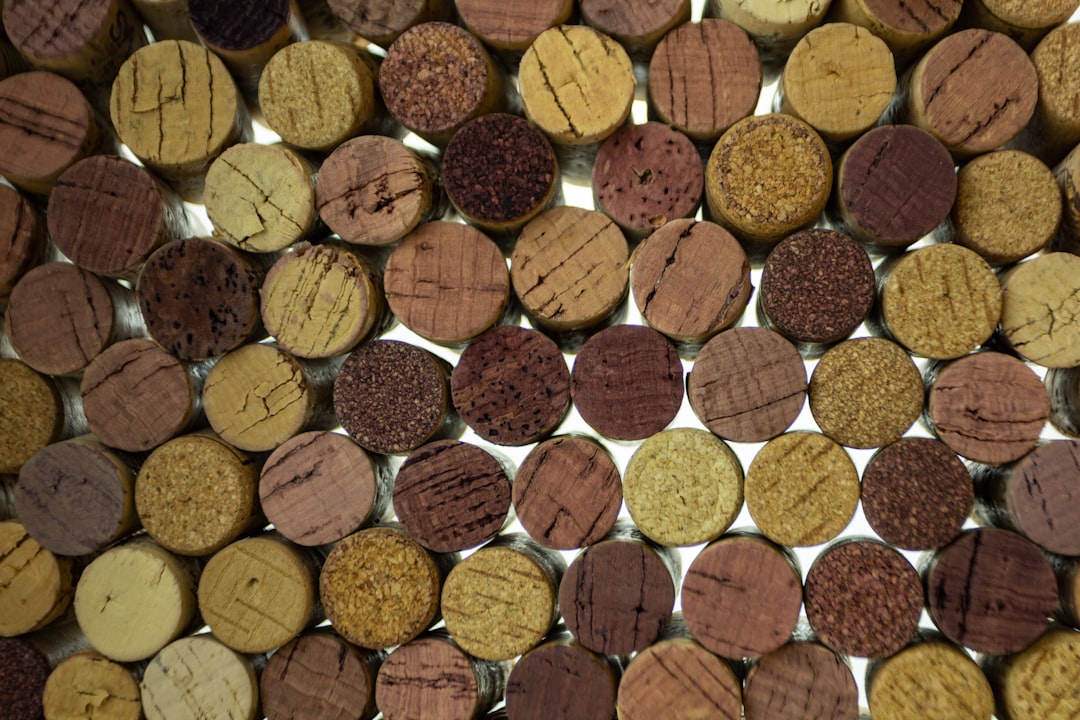
The cork, an organic marvel of cellular architecture, is the wine’s primary guardian against oxidative spoilage. Its integrity is inextricably linked to ambient humidity. Insufficient humidity causes the cork to dry out, shrink, and lose its elasticity, leading to air ingress and subsequent oxidation. Conversely, excessively high humidity can foster mold growth on the cork, potentially tainting the wine’s aroma and compromising its structural integrity.
- Vapor Barrier Integration: Our designs incorporate a multi-layered vapor barrier system. This impermeable membrane, meticulously sealed at all junctions, prevents the migration of moisture into or out of the cellaring environment. This hermetic seal is crucial for maintaining the target humidity range of 50-75%, which allows the cork to remain supple and create an effective seal against the ingress of ambient oxygen.
- Active Humidification and Dehumidification: Beyond passive barriers, our advanced systems feature integrated humidifiers and dehumidifiers. These units, governed by precise hygrostat controls, actively inject or extract moisture from the air, ensuring a consistent relative humidity irrespective of external environmental conditions. This meticulous control safeguards the cork’s long-term efficacy, thereby securing the wine’s organoleptic integrity.
Mitigating Environmental Stressors: The Architecture of Protection
Beyond temperature and humidity, a range of environmental stressors can insidiously degrade a wine collection. Our approach is holistic, designing preservation technology that acts as an impenetrable bastion against these deleterious forces.
Vibration Damping: The Nemesis of Sediment
Vibration, even at imperceptible levels, is a potent accelerant of wine degradation. Mechanical vibrations agitate the fine particulate matter (sediment) inherent in aged wines, preventing its stable precipitation. This suspended sediment can impart an undesirable gritty texture and accelerate oxidative processes due to increased surface area exposure.
- Isolation Mounts and Acoustic Buffers: Our cellaring units are constructed with multi-layered isolation mounts, typically utilizing elastomeric polymers or compressed natural cork. These mounts mechanically dissipate vibrational energy before it can reach the wine. Furthermore, the robust, thick-walled construction of our units, often incorporating specific densities of wood or composite, acts as an acoustic buffer, absorbing and scattering sound waves and minimizing their mechanical resonance within the storage environment. This engineering ensures that the wine reposes in absolute stillness, allowing sediment to settle undisturbed and the wine to mature gracefully.
UV Filtration: Protecting Against Photo-oxidation
Ultraviolet (UV) radiation is a powerful catalyst for chemical reactions within wine, leading to what is termed “light strike.” This phenomenon results in the formation of sulfur compounds, imparting unpleasant, skunky aromas and flavors, particularly in white wines. Even subtle exposure over time can irrevocably damage a wine’s delicate aromatic profile.
- Architectural Glazing and LED Illumination: Where glass elements are incorporated into our designs, they are exclusively formulated with UV-filtering architectural glazing. This specialized glass blocks over 98% of harmful UV spectra while maintaining visual clarity. Internally, illumination is provided by temperature-calibrated LED lighting systems. Unlike traditional incandescent or fluorescent bulbs, LEDs emit negligible UV radiation and generate minimal heat, thereby protecting the wine from both photo-degradation and thermal stress. The spectral output of these LEDs is carefully chosen to minimize color distortion, ensuring the wine’s visual presentation remains authentic.
Architectural Integration: Form Meets Function
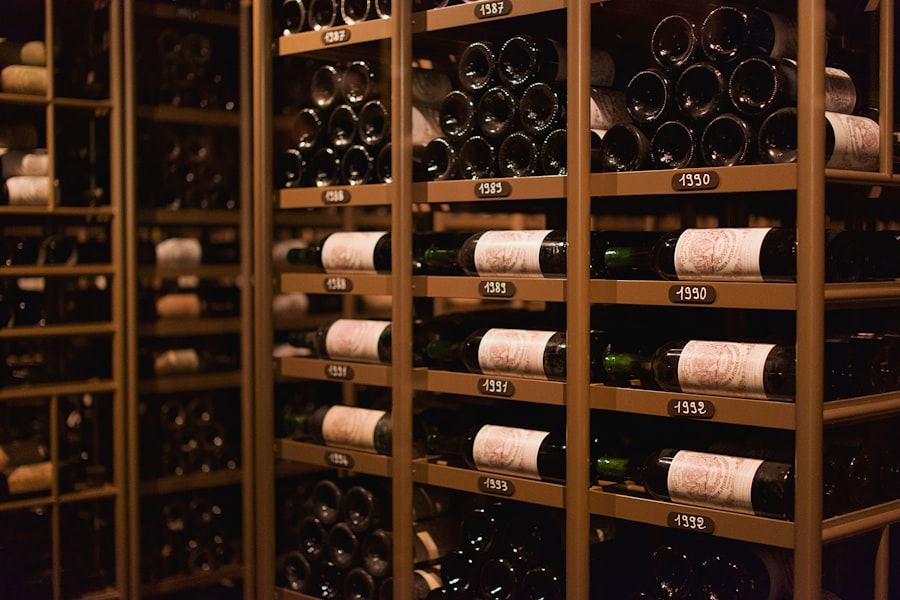
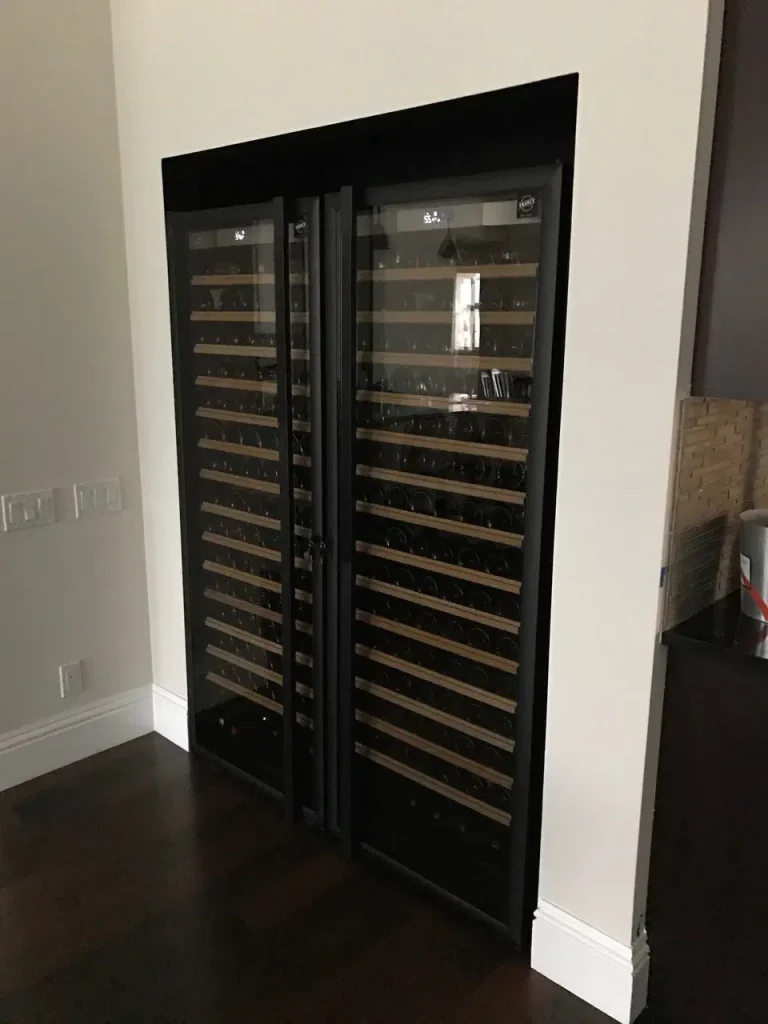
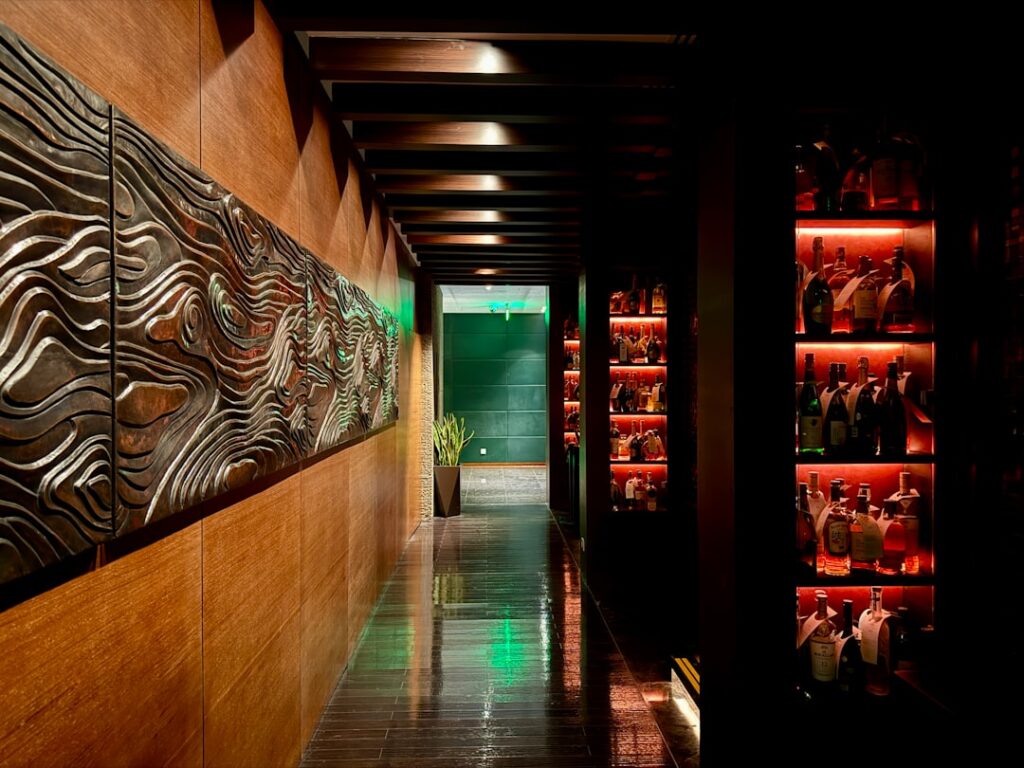
A wine collection, particularly one of significant actuarial value, deserves an architectural expression that befits its intrinsic worth. Our preservation technologies are not merely functional appliances; they are meticulously crafted bespoke environments, designed to integrate seamlessly into the most discerning residential or commercial spaces.
Materiality and Craftsmanship: Elevating the Aesthetic
The selection of materials and the precision of craftsmanship are not merely aesthetic considerations; they contribute directly to the long-term functionality and perceived value of the system. We utilize only the finest sustainably sourced hardwoods, precision-machined metals, and high-performance composites.
- Joinery and Finish: A Testament to Durability: The integrity of our cabinetry relies on traditional joinery techniques, reinforced with modern engineering principles. Mortise and tenon, dovetail, and solid wood frame-and-panel construction techniques are employed to ensure structural rigidity and resistance to environmental stressors such as humidity fluctuations. Finishes are applied in multiple, hand-rubbed coats, providing not only deep luster but also an enduring protective layer against abrasion and atmospheric contaminants. This meticulous attention to detail ensures that the structure itself becomes a robust element of the overall preservation system.
Customization and Spatial Optimization: A Bespoke Sanctuary
Every collector’s needs are unique, and every space presents its own set of parameters. Our design philosophy embraces bespoke solutions, transforming a mere storage unit into an architectural focal point, a statement piece that celebrates the liquid artistry within.
- Integrated Design Principles: We work collaboratively with clients and their architectural teams to design solutions that are not merely “fitted” but fully integrated. This extends to seamless electrical and ventilation integration, ensuring that the necessary infrastructure is subtly concealed. This approach transforms the preservation system from an appendage into an intrinsic element of the overall interior design, a harmonious blend of form and function. This also ensures optimal airflow and heat exchange for the active cooling components, crucial for their long-term efficiency and silent operation. Furthermore, the internal racking systems are designed with modularity in mind, allowing for future expansion or adaptation as the collection evolves. These racks are engineered from materials that are inert and non-reactive, ensuring no chemical off-gassing that could taint the wine.
The Actuarial Imperative: Protecting Your Liquid Asset
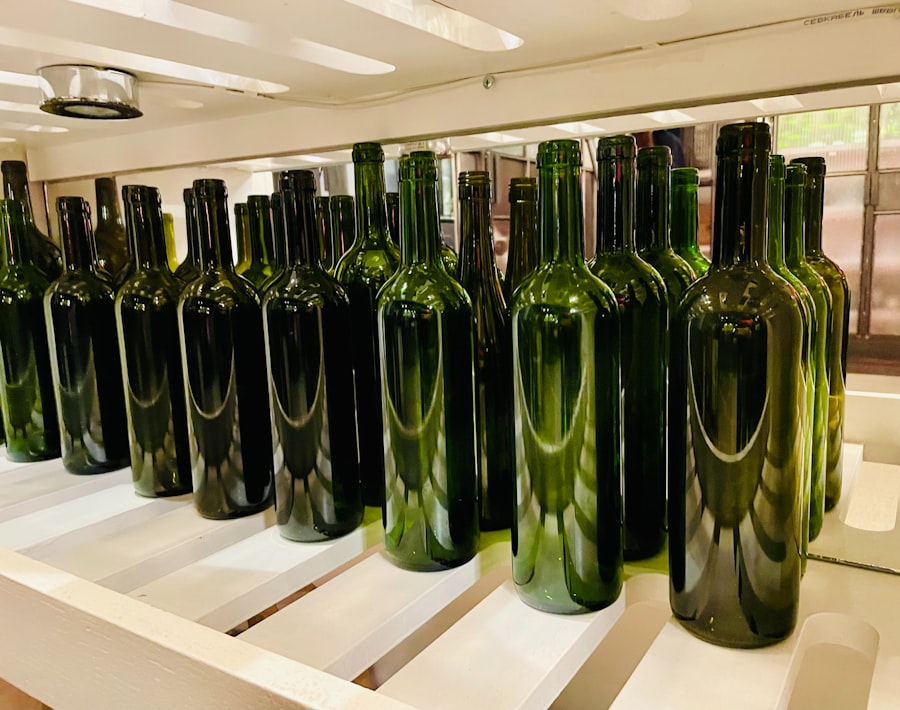
The decision to invest in a bespoke wine preservation system is not an expense; it is a strategic investment in the actuarial value of your collection. Each element of our design, from the selection of materials with appropriate thermal mass to the precision engineering of our climate control systems, is predicated on extending the life and enhancing the value of your liquid assets. This is not about ostentation; it is about preservation, security, and the connoisseur’s peace of mind.
To truly appreciate the meticulous engineering and sophisticated craftsmanship that defines our preservation technologies, we invite you to experience them firsthand. A personal consultation at our Walnut Creek showroom will allow you to explore the tactile quality of our materials, observe the seamless operation of our climate control systems, and discuss the bespoke design possibilities that await your cherished collection. We believe the true measure of our craft lies in the enduring value we bring to yours.
FAQs
What is Wine Collection Actuarial Value?
Wine Collection Actuarial Value refers to the estimated monetary worth of a wine collection based on actuarial methods. These methods use statistical and financial models to assess the current and future value of the collection, considering factors like age, rarity, provenance, and market trends.
Why is Actuarial Value important for wine collectors?
Actuarial Value is important because it provides a reliable and objective estimate of a wine collection’s worth. This helps collectors with insurance coverage, estate planning, investment decisions, and financial reporting by ensuring the collection is accurately valued.
How is the Actuarial Value of a wine collection determined?
The Actuarial Value is determined by analyzing historical sales data, market demand, wine aging potential, storage conditions, and expert appraisals. Actuaries use this information to model the expected value over time, accounting for depreciation or appreciation.
Can the Actuarial Value of a wine collection change over time?
Yes, the Actuarial Value can change due to factors such as market fluctuations, changes in wine quality or rarity, new discoveries about provenance, and shifts in consumer preferences. Regular revaluation is recommended to keep the value current.
Is Actuarial Valuation the same as a wine appraisal?
No, while both assess value, actuarial valuation uses statistical and financial modeling to estimate future and current worth, often for insurance or financial purposes. A wine appraisal is typically a one-time expert assessment focusing on the current market value without predictive modeling.