The Kinetic Flow: Designing Cellar Layouts for Professional Decanting and Service
The pursuit of vinous perfection, from cultivation to consumption, necessitates an unwavering commitment to detail. For the discerning collector, the physical interaction with a bottle – its retrieval, presentation, and service – is not merely a logistical step but an integral component of its organoleptic expression. This essay explores the technical requisites and strategic considerations underpinning “Sommelier-Grade Ergonomics” within the context of luxury wine preservation, asserting that the thoughtful design of storage and access systems directly correlates with the long-term integrity and immediate enjoyment of your liquid assets.
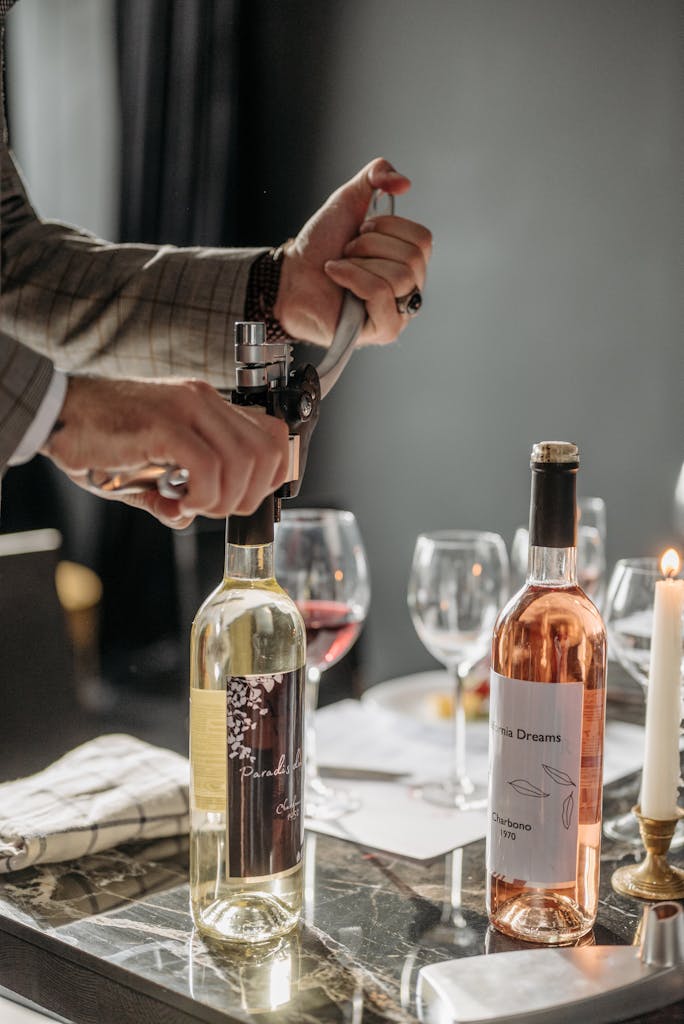
The interaction with a wine collection is fundamentally a kinesthetic endeavor. It involves the tactile engagement with closures, the proprioceptive awareness of bottle weight and orientation, and the visual discernment of label and vintage. Sub-optimal storage or presentation mechanisms introduce friction, both literal and metaphorical, that can degrade the overall experience. A sommelier, by trade, understands that the flawless execution of service is as critical as the vintage itself. This translates directly to the home environment; the ease with which a bottle can be accessed, examined, and returned directly impacts the frequency and pleasure of engagement with one’s curated assets.
The Dynamics of Bottle Retrieval and Storage
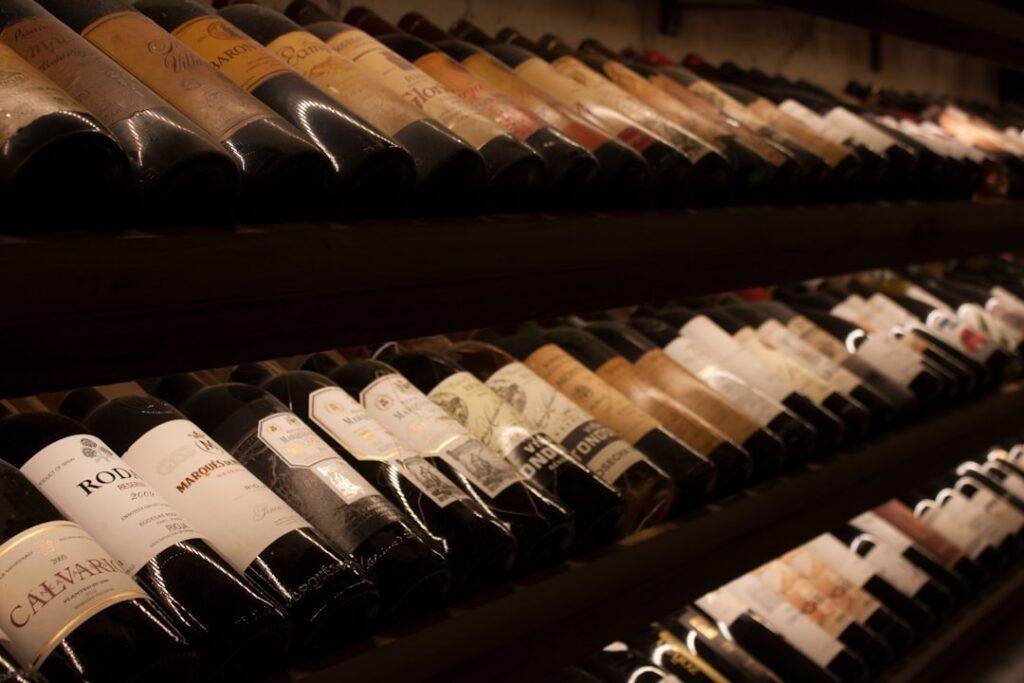
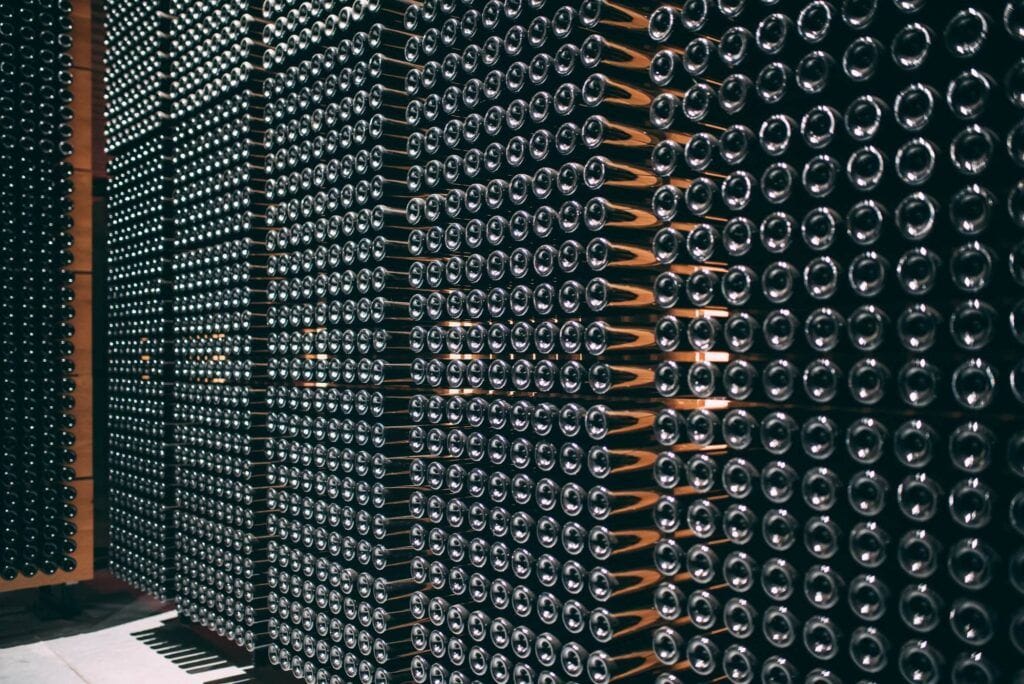
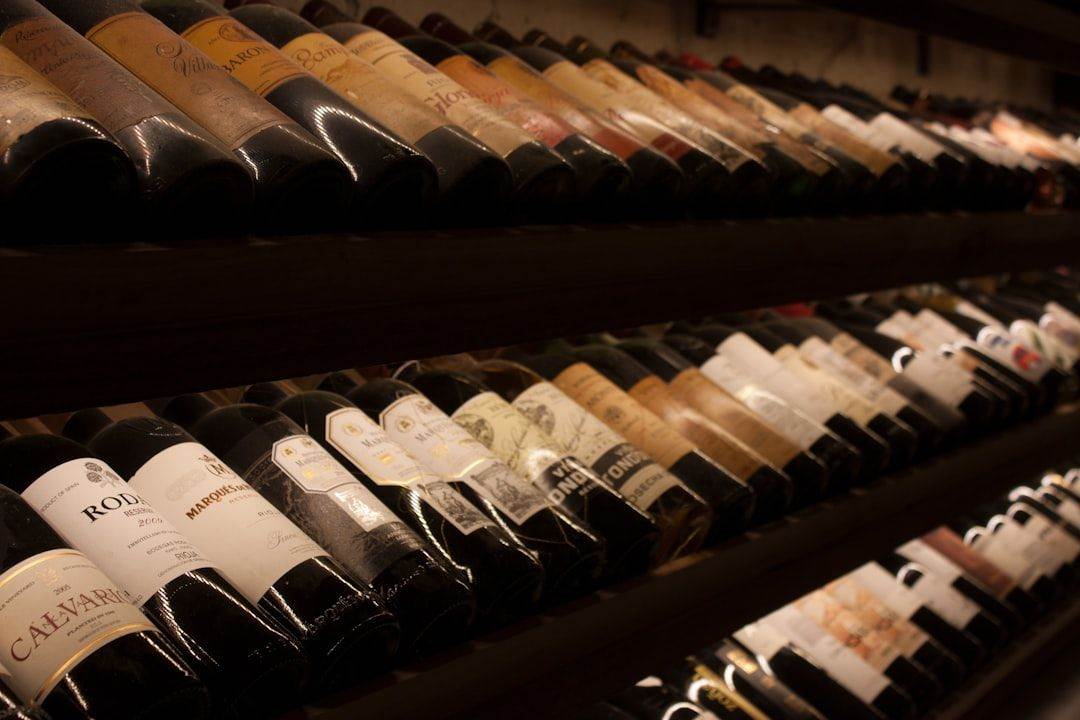
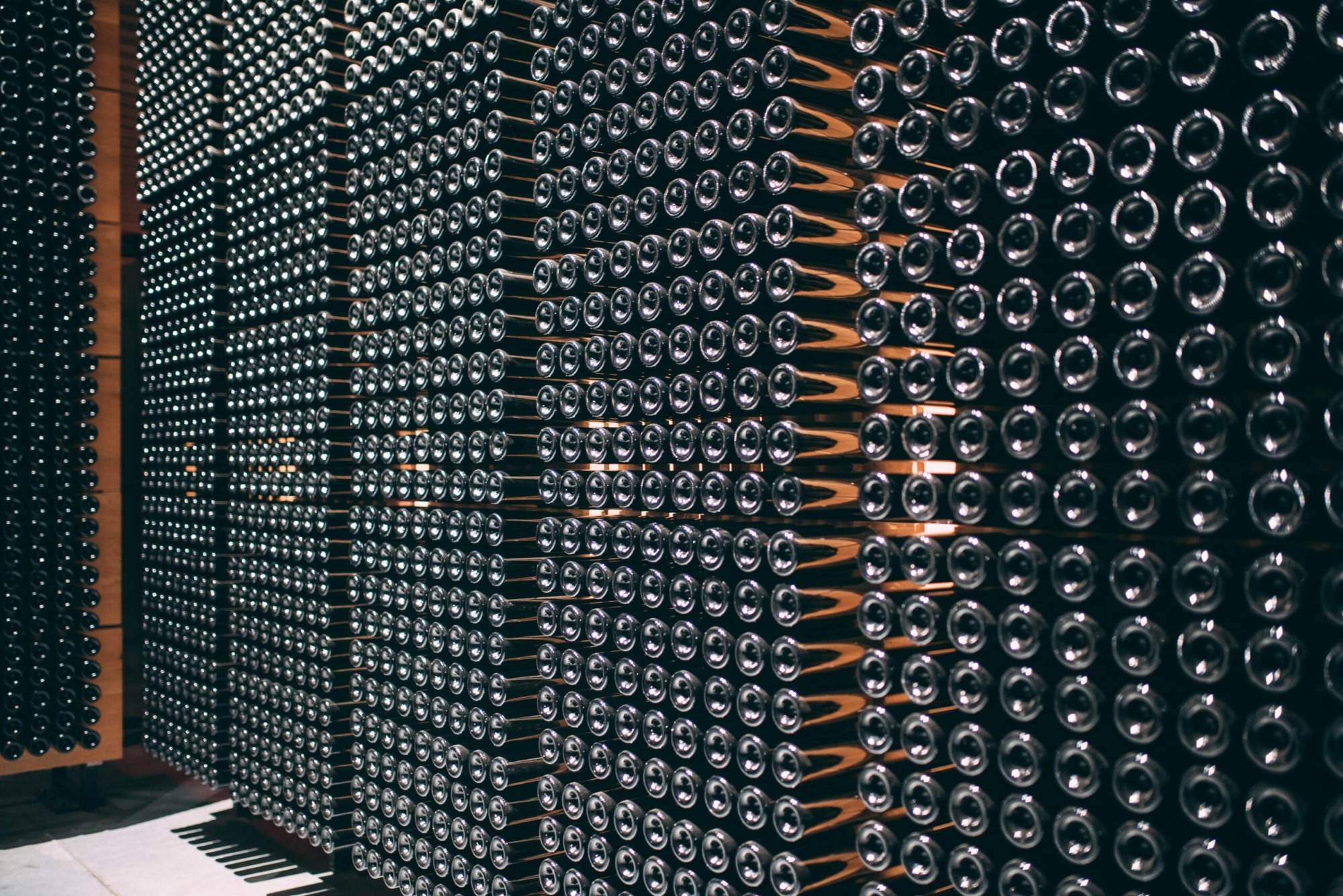
The act of extracting a bottle from its resting place is often overlooked as a potential vector for micro-aggressions against the wine’s stability. A poorly designed racking system, for instance, can necessitate undue force, leading to vibration transmission. Consider the mechanical stresses applied when a bottle is wedged or requires a delicate dance of repositioning surrounding bottles. Such actions, though seemingly minor, contribute incrementally to molecular agitation within the liquid, potentially accelerating premature aging or disturbing settled sediment. Our designs prioritize a singular, fluid motion for retrieval, minimizing kinesthetic dissonance and ensuring the bottle’s journey from cellar to decanter is as undisturbed as possible.
Illumination and Visual Appraisal
The visual inspection of a wine bottle, from label integrity to fill level and sediment formation, is a pre-service ritual of paramount importance. Adequate, non-damaging illumination is therefore a critical ergonomic consideration. Direct, high-UV light, often found in conventional lighting systems, poses a significant threat to a wine’s long-term stability, catalyzing photochemical reactions within the liquid and accelerating label degradation. Our integrated LED lighting solutions are engineered to emit a precise spectrum, minimizing UV and heat generation while providing optimal visual clarity. This allows for rigorous inspection without compromising the wine’s intrinsic value or presenting an undue thermal load to the preservation environment. The subtle glow within a wine cabinet, far from being mere aesthetic, functions as a controlled diagnostic tool.
Presentation and Access Architectures
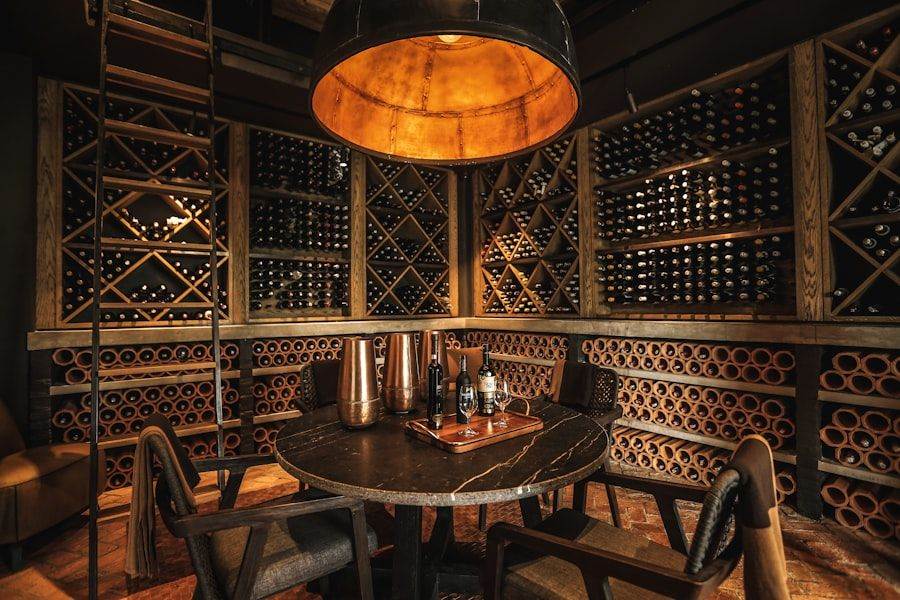
The architectural integration of wine storage extends beyond mere capacity. It encompasses the seamless presentation of a single bottle or an entire horizontal. Consider the utility of a presentation shelf, designed not merely for display but for the temporary placement of a selected bottle, allowing it to acclimate or for its label to be studied prior to decantation. Such features, carefully positioned and angled, elevate the pre-service ritual from a utilitarian task to a considered act of appreciation. The ergonomic design principles applied here ensure that the transition from storage to service is fluid, elegant, and devoid of the awkwardness that detracts from a premium experience.
Thermal Mass and Vibration Damping: The Engineering of Stability
The physical environment within which wine resides is a complex interplay of forces. Temperature fluctuation, humidity deviation, and vibrational energy are the silent adversaries of a wine’s longevity. Our approach to sommelier-grade ergonomics extends beyond the superficial interaction with the bottle, delving into the core engineering principles that guarantee its long-term viability as a liquid asset.
The Mitigation of Micro-Vibrations
Vibration, often imperceptible to the human hand, represents a significant threat to a wine’s molecular stability. Even minor oscillations, transmitted through floors or walls, can disturb the delicate macromolecules within the wine, potentially leading to premature oxidation or a disruption of the sediment layer. Our preservation technologies employ multi-stage vibration damping systems. This begins with the foundational isolation of the compressor, often housed in a separate, acoustically isolated compartment, and extends to the shelving units themselves, frequently incorporating elastomer or synthetic polymer composites designed to absorb and dissipate kinetic energy. Think of it as a meticulously engineered suspension system for your most valuable assets, ensuring that external disturbances are neutralized long before they can impact the organoleptic integrity of your collection.
Thermal Inertia and Microclimatic Zones
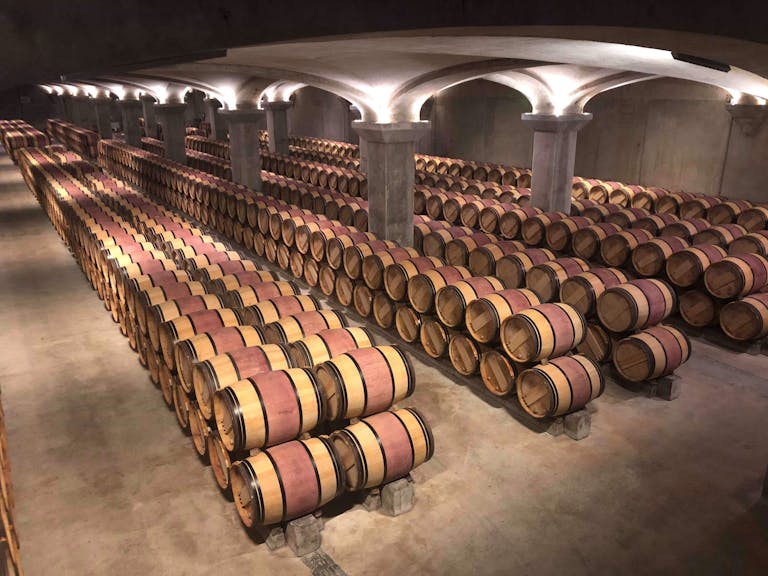
Maintaining a consistent temperature is paramount. Fluctuation, even within seemingly acceptable ranges, forces the wine through cycles of expansion and contraction, stressing the cork and potentially compromising its seal. While active cooling systems are vital, true sommelier-grade environments prioritize thermal mass. This refers to the capacity of the storage unit’s materials to absorb and retain heat, effectively buffering against external temperature shifts. Our designs leverage dense, thermally stable materials in the construction of the cellar walls and shelving, creating microclimatic zones of unparalleled stability. This acts as a passive defense against transients, minimizing the workload on the active cooling system and ensuring a more consistent, gentle environment for the wine. The goal is to replicate the inherent thermal stability of underground cave cellars, not merely to cool an enclosed space.
Humidity Regulation and the Vapor Barrier
The integrity of a wine’s cork is directly tied to the ambient humidity. Too dry, and the cork shrinks, risking oxidation; too humid, and mold growth becomes a concern, impacting label aesthetics and potentially bottle hygiene. Precision humidity control is not merely about adding or removing moisture, but about maintaining a meticulously calibrated equilibrium. Our systems integrate advanced hygrometers and intelligent vapor barrier technologies. A continuous vapor barrier, often constructed from specialized polymer films or architectural foils, prevents moisture migration through the cabinet walls, ensuring that the carefully controlled internal humidity remains stable and isolated from the broader environment. This proactive management of the microclimate safeguards the cork’s elasticity and thus the wine’s long-term seal, acting as an invisible guardian of its organoleptic integrity.
The Architectural Integration: Where Art Meets Engineering
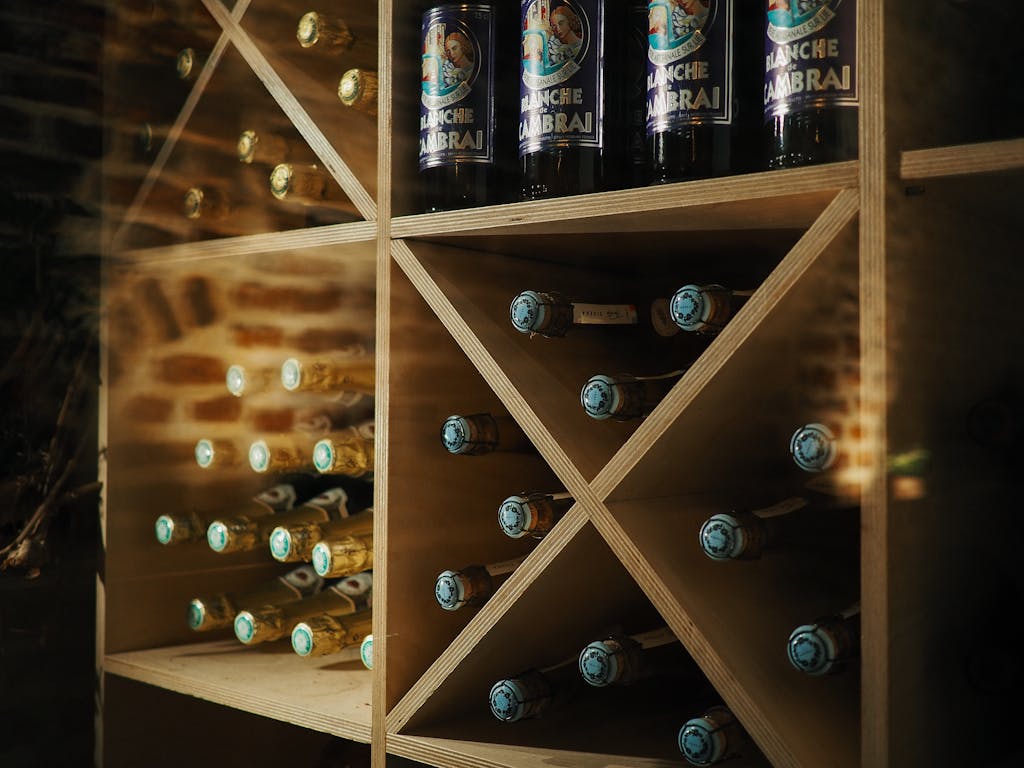
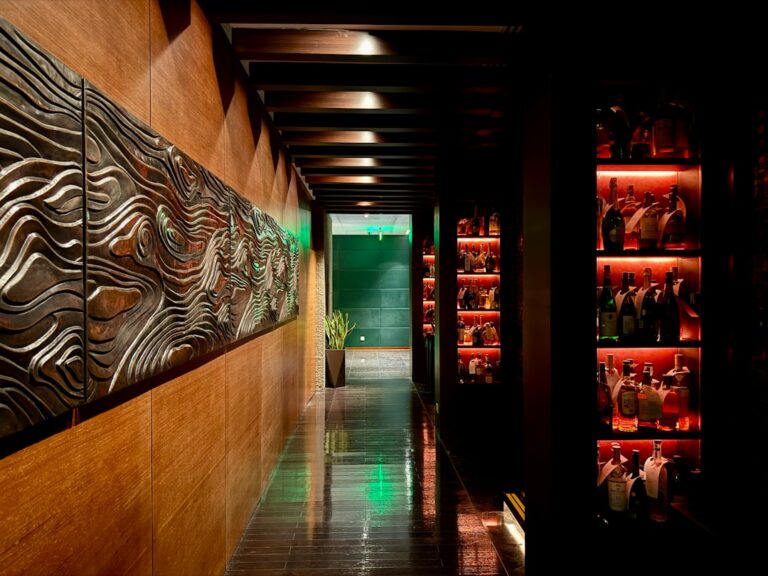
The modern luxury home increasingly views the wine cellar or cabinet not as a mere storage utility, but as an architectural focal point, a testament to the owner’s connoisseurship and aesthetic discernment. Sommelier-grade ergonomics, in this context, seamlessly integrates highly technical preservation capabilities with design principles that elevate the very act of wine appreciation.
Bespoke Solutions and Customization
Standardized solutions, while functional, rarely capture the unique ethos of a high-value collection or the specific design vernacular of a bespoke residence. Our approach is fundamentally consultative, moving beyond off-the-shelf components to design truly customized solutions. This includes precise dimensional integration into existing architectural openings, the selection of premium materials that complement existing interior design schemes, and the incorporation of bespoke features such as integrated serving stations or tasting counters. This ensures that the wine preservation system not only functions flawlessly but also enhances the overall aesthetic and utility of the space, becoming an intrinsic part of the home’s narrative.
Material Science and Aesthetic Cohesion
The selection of materials for a luxury wine preservation system is a multi-faceted decision, balancing aesthetic appeal with core technical requirements. While appearances are essential, every material choice must possess intrinsic properties that contribute to the wine’s well-being. For example, solid wood shelving, though aesthetically pleasing, must be carefully selected for its thermal properties and its resistance to warping in humid environments. Our technical specifications often detail the use of sustainably sourced hardwoods treated with inert, food-grade finishes that do not off-gas volatile organic compounds (VOCs) that could taint the wine. Similarly, glass panels, when utilized, are specified as multi-pane, Low-E, UV-filtered units, providing visual access without compromising thermal stability or exposing the wine to damaging light frequencies. This rigorous material selection process ensures both visual cohesion and uncompromising performance.
User Interface and Control Systems
The intuitive interaction with the preservation system itself is a critical ergonomic consideration. Clunky, unintuitive controls undermine the luxury experience. Our designs incorporate sophisticated, yet user-friendly, digital interfaces that provide granular control over temperature and humidity, offering real-time data and diagnostic feedback. These systems often feature remote monitoring capabilities, allowing for proactive adjustments and alerts, irrespective of the collector’s physical location. The goal is a control system that is as refined and reliable as the mechanical systems it governs, an invisible servant that operates with precision and discretion, enhancing the collector’s peace of mind without requiring constant manual intervention.
The Future of Vinous Preservation: Predictive and Proactive
The evolution of sommelier-grade ergonomics is not static; it is a continuous refinement driven by advancements in material science, sensor technology, and data analytics. The next frontier in luxury wine preservation involves not just reactive control but proactive intelligence.
Advanced Sensor Arrays and Predictive Analytics
Future systems will integrate even more sophisticated sensor arrays, gathering higher-resolution data on micro-climatic conditions within each storage zone. This data, when fed into predictive analytics algorithms, will allow the system to anticipate potential environmental stressors – a sudden exterior temperature spike, for instance – and make micro-adjustments before any deviation impacts the wine. This moves beyond merely maintaining parameters to proactively safeguarding them, offering an unprecedented level of control and assurance. Imagine a system that, learning your consumption patterns, subtly adjusts certain zones to bring specific bottles to optimal serving temperature hours before you might desire them.
Seamless Integration with Smart Home Ecosystems
The luxury home of tomorrow is a fully integrated ecosystem. Wine preservation systems will no longer operate in isolation but will become sophisticated nodes within this broader network. This allows for voice-activated commands, seamless integration with home climate control, and even automated inventory management linked to personal collection databases. The ergonomic benefits here are profound, transforming the interaction with one’s collection into an effortless, almost subconscious process, freeing the collector to focus entirely on the enjoyment of their liquid assets.
The Role of Artificial Intelligence in Curation
Beyond simple environmental control, AI is poised to revolutionize the very act of curation within a sommelier-grade system. Imagine a system that, having analyzed the provenance, vintage, and composition of your wines, along with your personal tasting notes and consumption history, can offer data-driven recommendations on cellaring timelines, optimal decantation protocols, and even pairing suggestions. This transforms the wine preservation system from a passive storage unit into an active, intelligent partner in your vinous journey, adding a layer of cognitive ergonomics to the purely physical.
The meticulous preservation of fine wine is not merely a practical concern; it is an act of stewardship over liquid history. The seamless integration of advanced preservation technologies with thoughtful ergonomic design elevates this stewardship to an art form. Every design choice, every material specification, and every technological integration within our systems is calibrated to ensure that your invaluable liquid assets are not just conserved, but continually appreciated at their absolute peak.
To further explore how our bespoke preservation technologies can enhance the long-term integrity and immediate enjoyment of your curated collection, we invite you to schedule a private consultation at our Walnut Creek showroom. Our specialists will demonstrate the technical superiority and aesthetic precision that defines our commitment to sommelier-grade excellence.
FAQs
What does “Sommelier-Grade Ergonomics” mean?
Sommelier-Grade Ergonomics refers to the design and functionality of products or workspaces that meet the high standards of comfort, efficiency, and precision expected by sommeliers, who require optimal posture and ease of movement during wine tasting and service.
Why is ergonomics important for sommeliers?
Ergonomics is crucial for sommeliers because it helps prevent strain and injury during long hours of standing, pouring, and handling wine bottles. Proper ergonomic design enhances their performance, comfort, and overall well-being.
What features are typically included in sommelier-grade ergonomic tools or furniture?
Features often include adjustable height settings, supportive seating, easy-to-grip handles, anti-fatigue mats, and layouts that minimize repetitive motions. These elements help sommeliers maintain proper posture and reduce physical stress.
Can sommelier-grade ergonomics benefit other professions?
Yes, the principles of sommelier-grade ergonomics can benefit any profession that involves repetitive tasks, standing for extended periods, or precise manual work. This includes chefs, bartenders, and retail workers, among others.
How can a workplace implement sommelier-grade ergonomic practices?
Workplaces can implement these practices by investing in ergonomic furniture and tools, providing training on proper posture and movement, and regularly assessing workstations to ensure they meet ergonomic standards tailored to the specific tasks performed.