Beyond the Rack: Defining the Aesthetic and Environmental Metrics of Commercial Wine Displays
The integration of commercial-grade wine walls into residential and hospitality environments represents a significant evolution in the curation and presentation of liquid assets. Beyond mere storage, these sophisticated systems offer a potent synthesis of preservation technology, architectural artistry, and controlled atmospheric science. This document will delineate the critical technical considerations and strategic benefits inherent in such designs.
The fundamental purpose of any wine preservation system is to mitigate environmental factors that accelerate the degradation of ullage and cork, thereby compromising the organoleptic integrity of the wine over time. Elevated temperatures, significant thermal fluctuations, excessive humidity, and disruptive vibrations are the primary antagonists in this pursuit.

The Dynamics of Temperature Stability
Wine, particularly fine wine valued as a liquid asset, is acutely sensitive to temperature. Sustained exposure to temperatures exceeding 18°C (65°F) initiates premature aging, leading to a flattening of primary fruit characteristics and the development of undesirable tertiary notes. Conversely, temperatures consistently below 7°C (45°F) can impede the slow, contemplative evolution that distinguishes exceptional vintages. The ideal cellar environment, therefore, resides within a narrow optimal range, typically between 11°C and 14°C (52°F and 57°F).
The selection of building materials within the wine wall enclosure is paramount. Materials with inherent thermal mass, such as concrete, stone, or high-density insulation boards, play a crucial role in buffering against external temperature fluctuations. This inherent thermal inertia acts as a sophisticated governor, smoothing out transient spikes and dips that smaller, less stable environments would experience. The wine wall itself becomes a thermal battery, absorbing and releasing heat in a controlled manner, thereby minimizing the demand on active refrigeration systems and promoting a more consistent internal microclimate.
The Role of Vapor Barriers and Humidity Management
The ambient humidity within a wine storage environment is as critical as its temperature. Humidity levels too low, typically below 50%, can lead to cork desiccation, resulting in compromised seals, oxidation, and the ingress of unwelcome volatiles. Conversely, excessive humidity, exceeding 80%, fosters the growth of mold and mildew, not only posing a threat to the structural integrity of the wine wall but also potentially impacting the labels and corks themselves. Furthermore, significant condensation can prove detrimental to the immediate surroundings.
A meticulously installed vapor barrier is the first line of defense against uncontrolled moisture ingress or egress. This impermeable membrane, typically constructed from materials such as polyethylene sheeting or specialized liquid-applied membranes, prevents the uncontrolled movement of water vapor through the structural elements of the wine wall. Its strategic placement, relative to the dew point of the interior and exterior environments, is a complex calculation demanding expert interpretation of building physics.
Within the wine wall enclosure, precise humidity control is achieved through a combination of passive and active measures. Passive measures include the careful selection of shelving materials, ensuring they do not absorb or release excessive moisture. Active measures involve dedicated humidification and dehumidification systems, often integrated into the climate control unit. These systems operate with a high degree of precision, modulated by hygrometers to maintain the target humidity range, typically between 60% and 75%. This meticulous management of atmospheric moisture safeguards the cork’s elasticity and prevents deleterious fungal growth, preserving the long-term viability of the liquid asset.
Mitigation of Vibrational Disturbances: Preserving Organoleptic Integrity
Vibrations, often imperceptible to the human observer, can exert a deleterious influence on the delicate molecular structure of wine. This phenomenon is particularly concerning for wines undergoing extended aging, where subtle chemical transformations are occurring.
The Physics of Vibration and Wine Sediments
The primary concern with vibration is its potential to agitate settled sediments within aged wines. These sediments, composed of tartrates, pigments, and phenolic compounds, are a natural consequence of a wine’s maturation process. While generally benign, their forced suspension and dissemination throughout the wine can lead to a perceived dulling of its aromatic profile and a slight textural disruption. At a more fundamental level, continuous micro-vibrations can potentially accelerate chemical reactions, impacting the nuanced development of bouquet and flavour.
Active and Passive Vibration Dampening Technologies
Commercial wine wall designs incorporate a multi-pronged approach to vibration mitigation. Passive dampening begins with the structural isolation of the wine wall from the building’s primary vibration sources. This can involve the use of specialized acoustic isolation pads or resilient mounting systems for the refrigeration unit, separating it from the main racking structure. The selection of shelving materials also plays a role; materials with inherent damping properties, such as certain types of dense wood composites or purpose-engineered polymers, can absorb and dissipate vibrational energy.
Active dampening systems, while less common in standard residential installations, can be integrated for exceptionally sensitive collections or ultra-luxury environments. These systems often employ gyroscopic stabilizers or dynamic counter-balancing mechanisms to actively counteract incoming vibrations. Furthermore, the choice of refrigeration technology is crucial. Solid-state thermoelectric cooling (TEC) systems, for instance, inherently produce fewer vibrations than traditional compressor-based units. However, the superior cooling efficiency and longevity of many compressor systems necessitate careful isolation strategies to mitigate their inherent vibrational output. The aim is to create a stable, undisturbed quiescent environment, allowing the wine to fulfill its evolutionary potential unimpeded.
Architectural Integration: The Wine Wall as an Architectural Focal Point
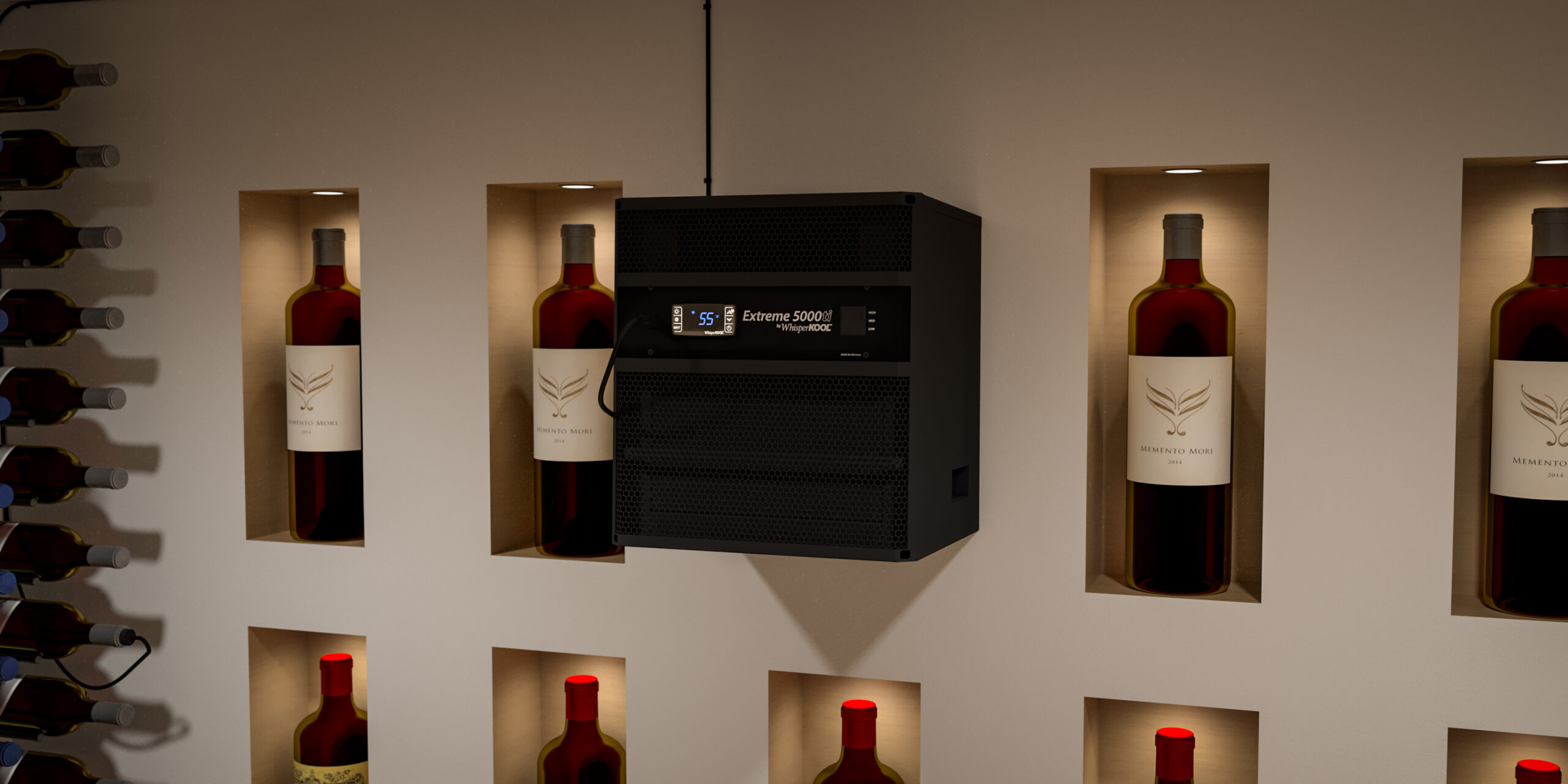
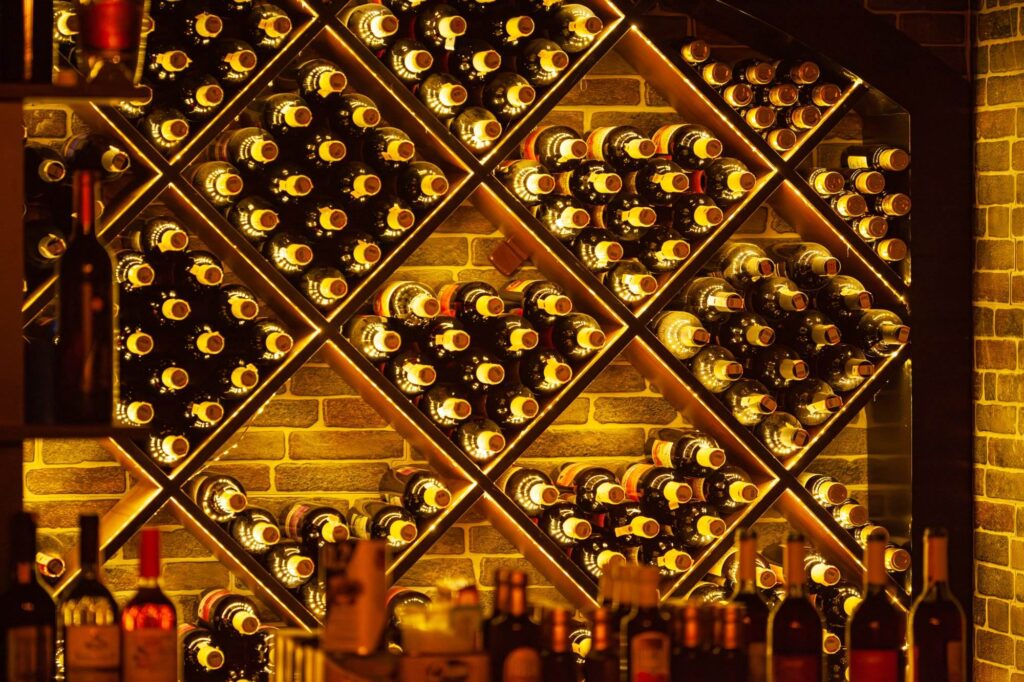
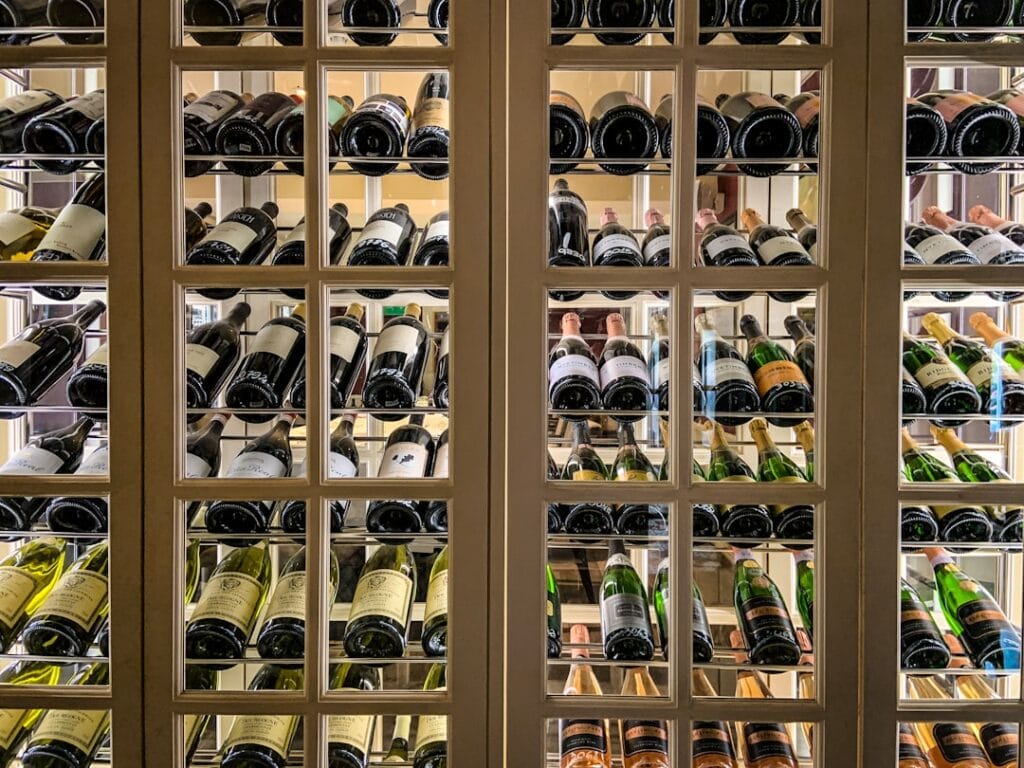
Beyond its functional imperative, a commercial wine wall serves as a powerful architectural statement, transforming utilitarian storage into a captivating visual centerpiece. The design transcends mere display; it actively shapes the spatial experience.
Material Science and Aesthetic Resonance
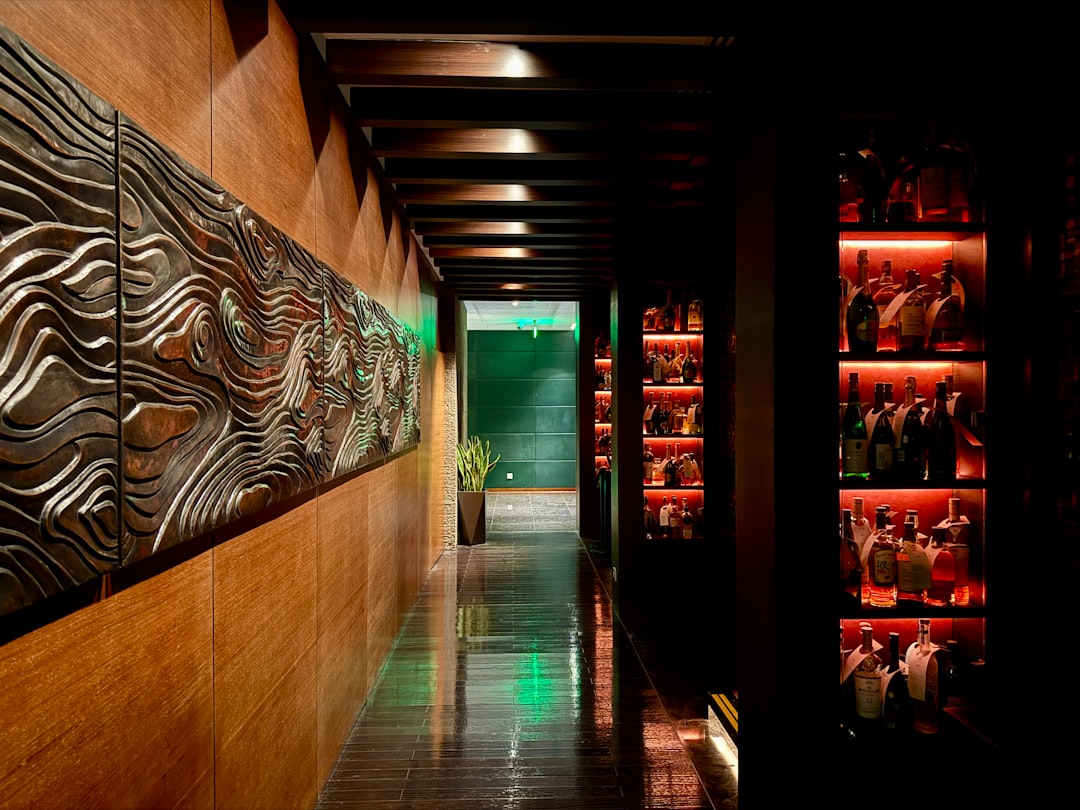
The selection of materials for the wine wall’s façade and internal structure is a critical juncture where technical specification meets aesthetic ambition. Metals such as brushed stainless steel, blackened steel, or bronze offer a contemporary, robust feel, while also providing excellent durability and resistance to corrosion. Natural stones, from the cool, earthy tones of slate to the veined sophistication of marble, can impart a sense of timeless elegance and connect the wine wall to the broader architectural fabric of the space.
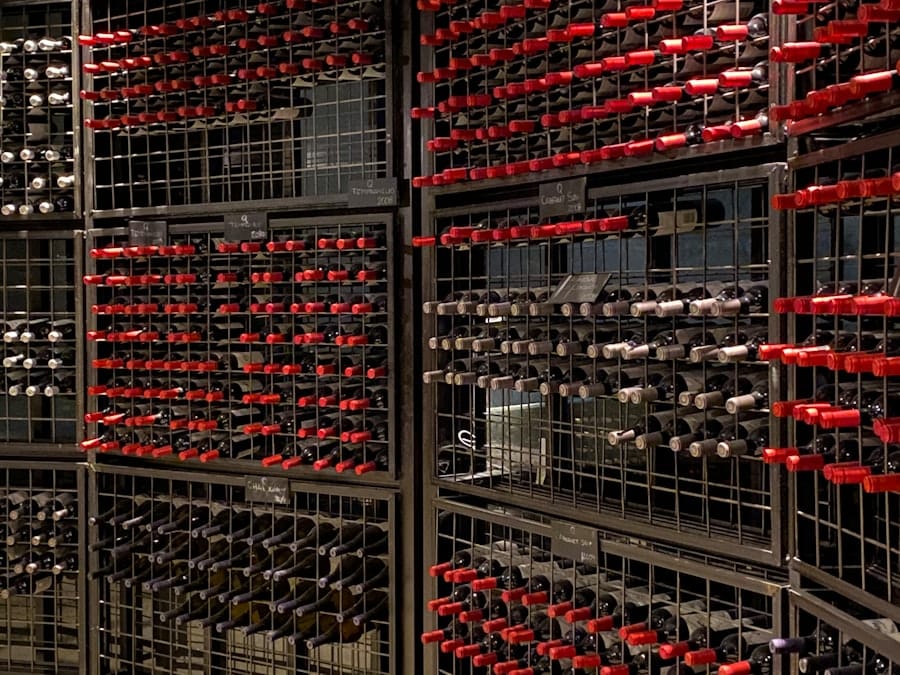
The structural components must possess sufficient load-bearing capacity to support the considerable weight of bottled wine. This necessitates robust framing systems, often engineered from steel or reinforced timber, designed to withstand the concentrated loads of individual bottles over extended periods. The interface between the bottles and the racking system is also critical. Options range from individual bottle cradles, often crafted from wood or metal, to display rows that present the bottles horizontally. The material of these cradles can influence thermal transfer and should be chosen to complement the overall aesthetic and maintain optimal conditions. The precise alignment and spacing of these elements contribute to a sense of order and meticulous curation.
Lighting as a Critical Design Element
The strategic illumination of a wine wall is not merely for aesthetic appeal; it is an integral component of its function and preservation strategy. Light, particularly UV radiation, can degrade wine over time, leading to photodegradation that can impart off-flavors. Therefore, the selection of lighting fixtures and their spectral output is paramount.
Low-UV emitting LED lighting is the industry standard. These fixtures offer a spectrum of color temperatures from warm, inviting hues to cooler, more neutral tones, allowing for the creation of specific moods. The placement of lighting is equally important. Indirect lighting, emanating from behind shelves or from concealed coves, is often preferred to direct spotlighting, which can create harsh shadows and uneven illumination. The design should facilitate the easy reading of wine labels without compromising the wine’s protection. Consideration must also be given to the heat output of lighting fixtures. Illumination systems that generate minimal heat are essential to prevent localized temperature increases within the wine wall’s microclimate. A well-designed lighting scheme not only enhances the visual presentation of the collection but also contributes positively to the controlled environment required for optimal wine preservation.
The Engineering of Climate Control Systems
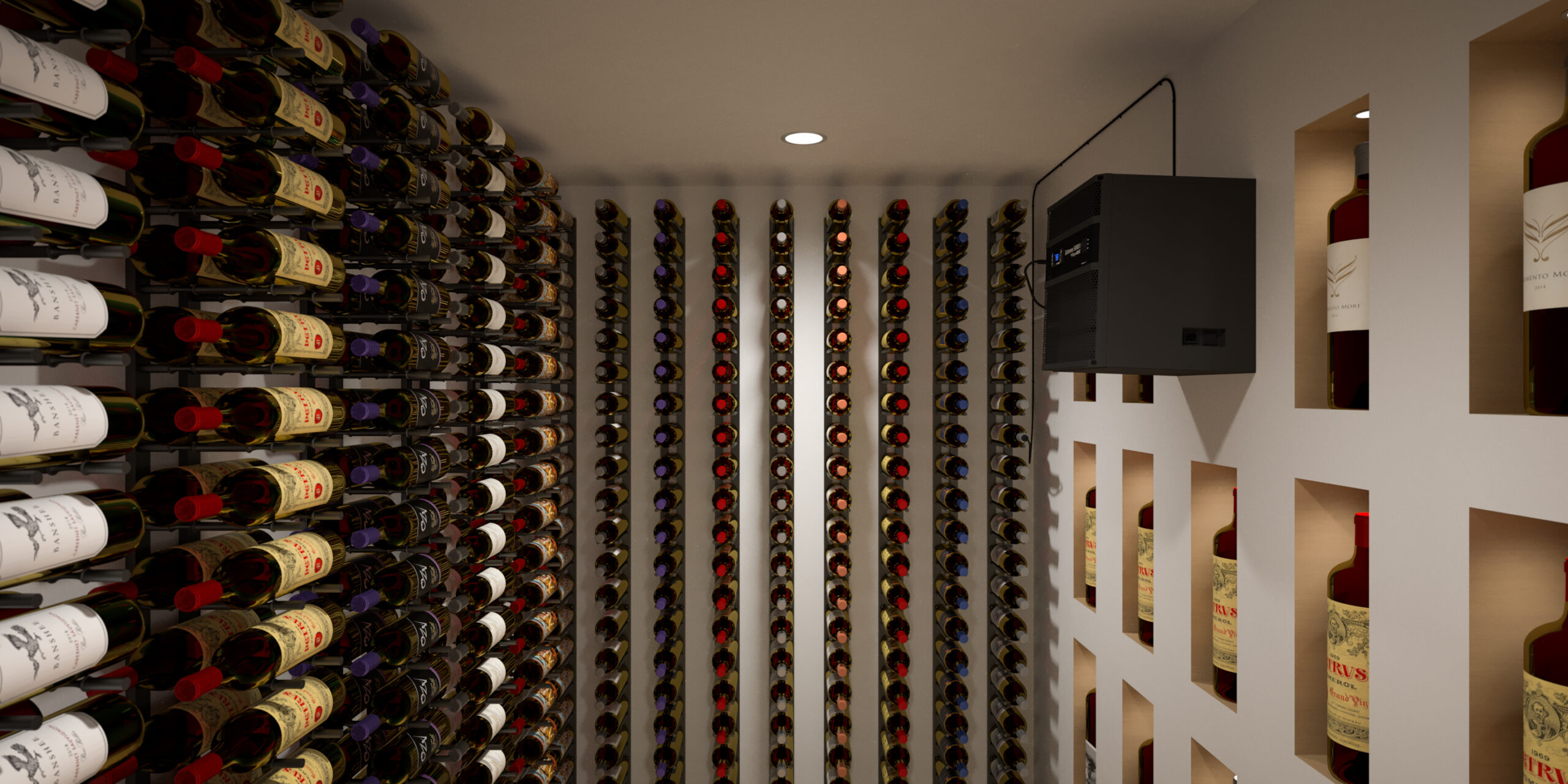
The heart of any robust wine wall lies within its integrated climate control system. This is not a standalone appliance but a finely tuned apparatus designed to precisely regulate temperature and humidity.
Refrigeration Technologies and Air Circulation
Commercial wine walls typically employ specialized refrigeration units designed for the consistent operation required in such environments. These units are often engineered with enhanced insulation and quieter operation to minimize disruption. The choice between split-systems, where the condenser is located externally, and self-contained units depends on the specific architectural constraints and desired aesthetic.
Air circulation within the wine wall is crucial for maintaining homogenous temperature and humidity levels throughout the enclosure. Undulating airflow, achieved through strategically placed fans, prevents the formation of hot or cold spots and ensures that all bottles benefit from the controlled environment. The fans themselves are often selected for their low-wattage consumption and quiet operation, further minimizing any potential disturbance to the wine. The system’s design must account for the thermal load generated by the wine itself, the materials of the wall, and any external ingress, ensuring adequate cooling capacity at all times.
The Role of Advanced Control Interfaces
Modern commercial wine walls are equipped with sophisticated control interfaces that allow for precise monitoring and adjustment of environmental parameters. Digital thermostats and hygrometers provide real-time data, often accessible remotely via smartphone applications. These interfaces enable users to establish custom temperature and humidity setpoints, schedule temperature setbacks for periods of reduced collection activity, and receive alerts in the event of any environmental deviations.
The predictive capabilities of these control systems are particularly noteworthy. By analyzing historical environmental data, they can anticipate potential fluctuations and proactively adjust cooling or humidification cycles to maintain optimal conditions. This predictive maintenance feature is invaluable in safeguarding high-value liquid assets, preventing costly degradation before it occurs. The user interface is designed to be intuitive, even for those less familiar with HVAC principles, yet robust enough to satisfy the technical demands of seasoned collectors and wine professionals.
The Walnut Creek Showroom: A Tangible Experience
The theoretical discourse surrounding the engineering and aesthetic integration of commercial wine walls finds its most compelling validation through tangible experience. Our Walnut Creek showroom is meticulously curated to showcase these principles in practice.
Experiential Design and Expert Consultation
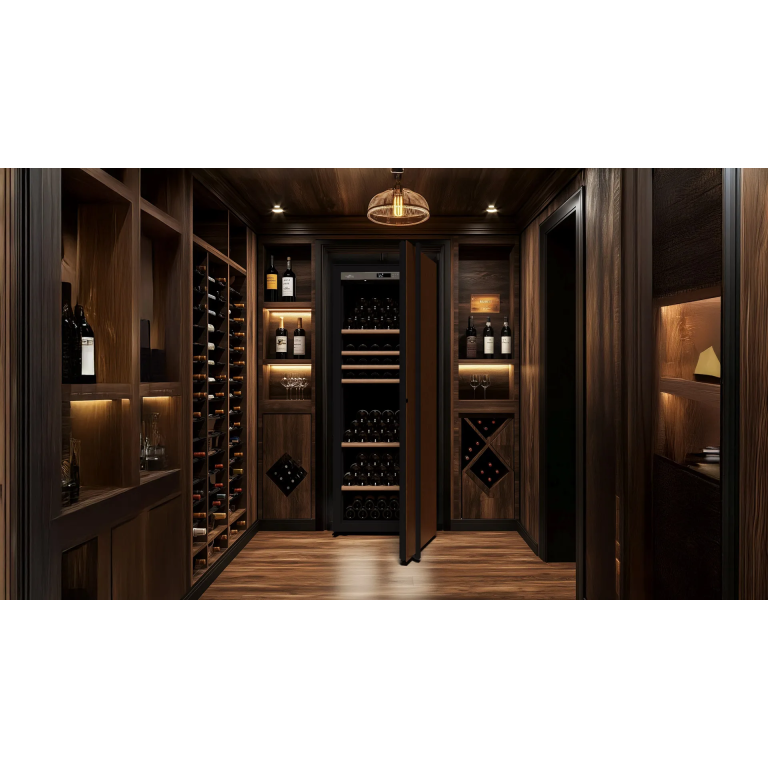
Within the showroom, you will encounter a diverse array of wine wall configurations, each exemplifying distinct material palettes, lighting strategies, and architectural integrations. This immersive environment is designed not for passive observation but for active engagement. We encourage you to interact with the systems, to feel the quality of the materials, and to observe firsthand the subtle nuances of the lighting.
Our team of Senior Brand Strategists and design consultants will be on hand to provide personalized guidance. This is not a sales interaction; it is a consultation. We will discuss your specific collection profiles, your architectural environment, and your long-term objectives for your liquid assets. Drawing upon extensive knowledge of cellar science and contemporary design, we will collaboratively explore how our preservation technologies can be tailored to enhance your space. The showroom offers a unique opportunity to move beyond the conceptual and into the concrete realization of superior wine preservation and display. We invite you to schedule an appointment and experience the future of wine curation.
FAQs
What is a commercial wine wall?
A commercial wine wall is a specialized display system designed to store and showcase wine bottles in a retail, restaurant, or hospitality setting. It typically features temperature control, secure storage, and an aesthetically pleasing design to enhance the customer experience.
What materials are commonly used in commercial wine wall designs?
Commercial wine walls are often constructed using materials such as glass, metal, wood, and acrylic. These materials provide durability, visibility, and style, allowing for both functional storage and attractive presentation of wine bottles.
How does temperature control work in a commercial wine wall?
Temperature control in a commercial wine wall is usually managed through integrated cooling systems that maintain optimal conditions for wine preservation. These systems regulate humidity and temperature to prevent spoilage and ensure the wine ages properly.
Can commercial wine walls be customized to fit different spaces?
Yes, commercial wine walls can be custom-designed to fit various spaces and aesthetic preferences. Designers can tailor the size, shape, lighting, and materials to complement the venue’s interior while maximizing storage capacity.
What are the benefits of installing a commercial wine wall in a business?
Installing a commercial wine wall offers several benefits, including enhanced product visibility, improved wine preservation, increased sales potential, and an elevated ambiance that attracts customers. It also allows for efficient organization and easy access to a diverse wine selection.